SIGAR concludes in a 137-page final report that roughly $7.1 billion in U.S.-provided equipment and facilities left after the chaotic 2021 withdrawal have become central to the Taliban’s security apparatus. The report finds that roughly $144.7 billion in U.S. reconstruction funds from 2002–2021 failed to secure lasting stability, and that Afghan forces held 316,260 weapons valued at $511.8 million at collapse. Acting inspector general Gene Aloise blamed corrupt U.S. alliances, ineffective development programs and an ANDSF structure dependent on sustained U.S. military support. The United States has nevertheless remained the largest donor, disbursing more than $3.83 billion in aid since 2021.
SIGAR: $7.1B In U.S.-Supplied Equipment Left In 2021 Now Forms Core Of Taliban Security Apparatus

SIGAR Final Report Finds U.S.-Funded Weapons and Facilities Now Underpin Taliban Forces
The Special Inspector General for Afghanistan Reconstruction (SIGAR) released a 137-page final report concluding that equipment, weapons and facilities funded by U.S. taxpayers and left behind during the chaotic 2021 withdrawal have become central to the Taliban’s security apparatus.
The report notes that Congress appropriated roughly $144.7 billion for Afghanistan reconstruction from 2002 through 2021, money intended to stabilize the country and build democratic institutions — objectives the report says were not achieved.
SIGAR said it was unable to inspect any material provided to, or facilities built for, the Afghan National Defense and Security Forces (ANDSF) after the Afghan government’s collapse. Citing Department of Defense (DoD) findings, the report states that approximately $7.1 billion in U.S.-provided material and equipment remained in Afghanistan after the withdrawal and that any remaining ANDSF facilities not destroyed can be assumed to be under Taliban control.
"These U.S. taxpayer-funded equipment, weapons, and facilities have formed the core of the Taliban security apparatus," the report states.
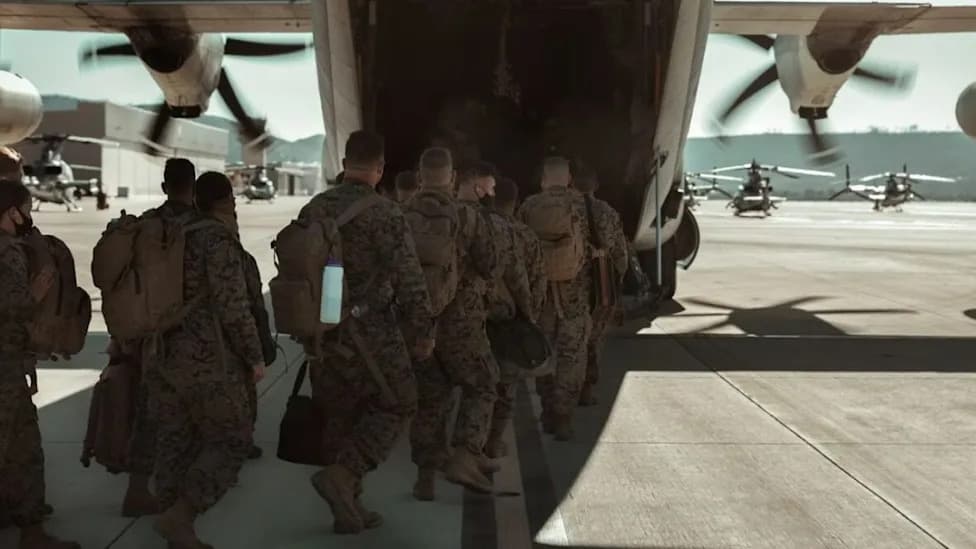
SIGAR also summarized prior Pentagon oversight, which found that when the former government fell Afghan forces held 316,260 weapons with an estimated value of $511.8 million, along with ammunition and other equipment, though the operational condition of many items was unknown. At the time, Pentagon reviewers reported that U.S. forces removed or destroyed nearly all major equipment used by American troops during the 2021 drawdown but acknowledged gaps in accounting for material already transferred to Afghan forces.
Why the Effort Failed, According to SIGAR
In an attached letter, acting SIGAR Inspector General Gene Aloise identified multiple contributing factors to the failure to transform Afghanistan into a stable, prosperous democracy. Key criticisms include:
- Early and sustained U.S. partnerships with corrupt, rights-abusing local powerbrokers that bolstered the insurgency and undermined governance goals.
- Economic and social programs that failed to produce lasting improvements.
- The U.S. design of the ANDSF as a mirror of American forces, creating long-term dependencies on advanced leadership, logistics and sustained U.S. support.
SIGAR concludes that these dependencies, combined with the rapid withdrawal of U.S. personnel and support, eroded morale among Afghan soldiers and police and contributed directly to the swift collapse of Afghan security forces.
Ongoing U.S. Assistance
The report notes that, despite the Taliban takeover in 2021, the United States has remained Afghanistan’s largest donor, disbursing more than $3.83 billion in humanitarian and development assistance since the collapse; disbursements in the March 2025 quarter alone totaled $120 million.
Bottom line: SIGAR’s final assessment paints a stark picture: large-scale U.S. spending on reconstruction did not secure a lasting, self-sustaining Afghan state, and a significant portion of U.S.-funded security materiel now appears to bolster the Taliban’s security capabilities.
Help us improve.