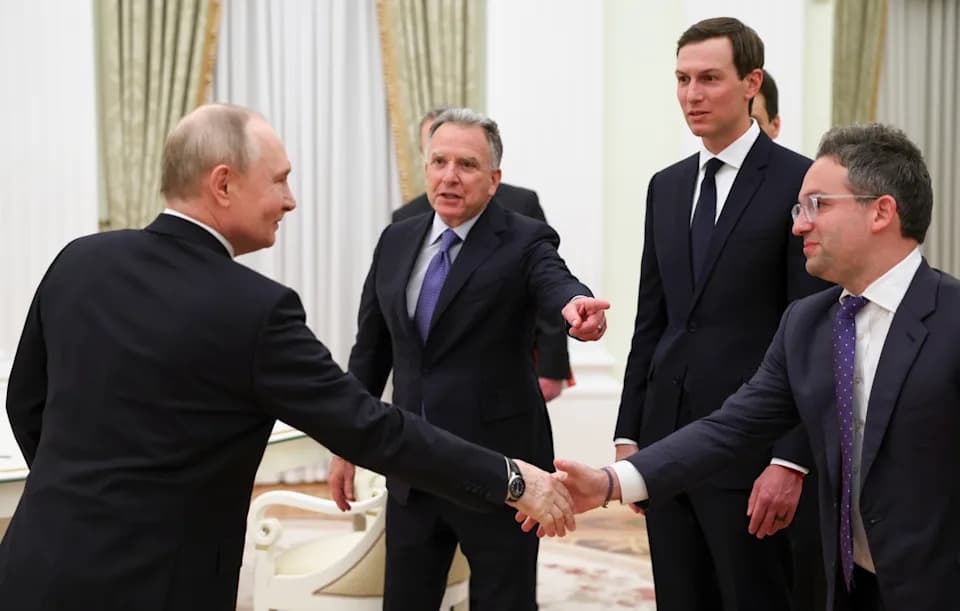
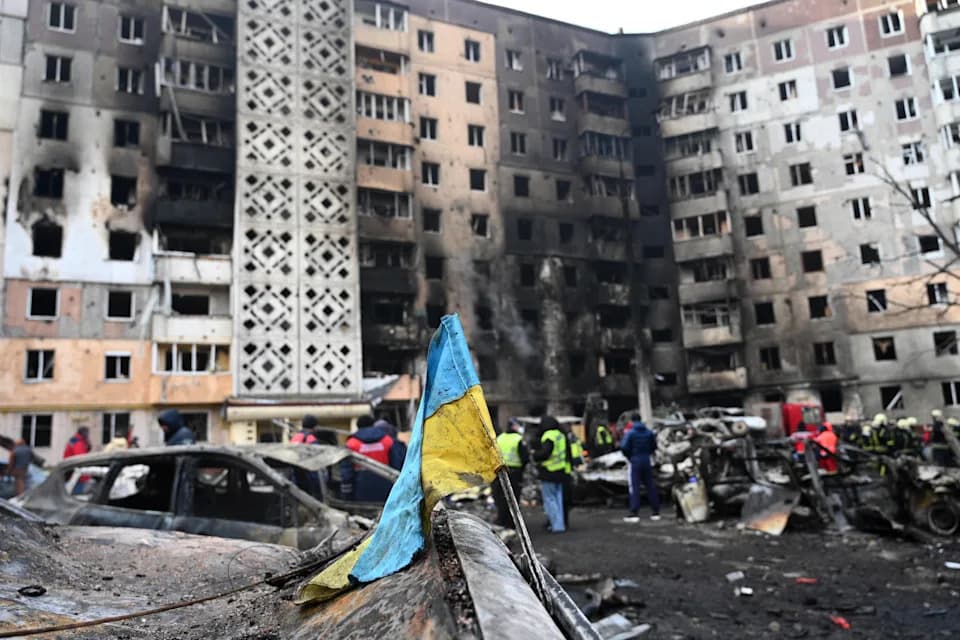
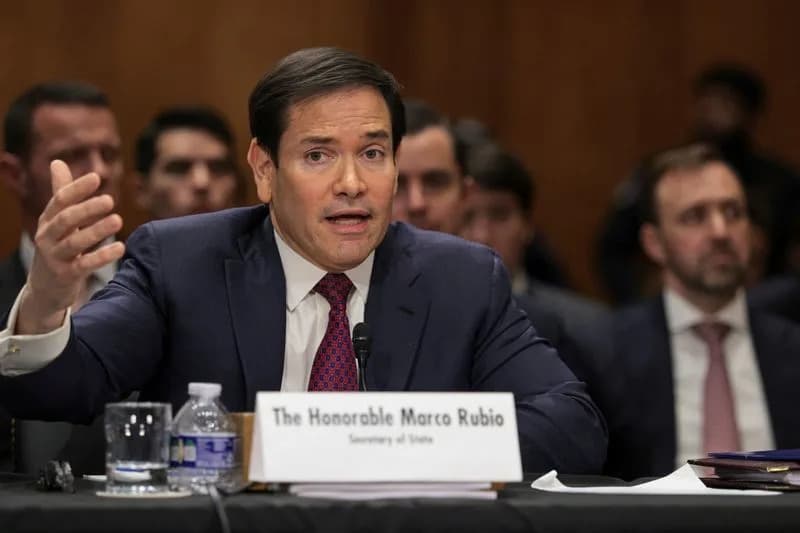
Russian President Vladimir Putin warned that Ukraine must withdraw its troops from parts of the Donbas or risk being expelled by Russian forces. His comments came as U.S. envoys led by Steve Witkoff and Jared Kushner briefed a Ukrainian delegation on a peace plan first advanced by Donald Trump and later revised. Moscow described talks as lengthy and constructive, but major disagreements persist over territory seized by Russia and security guarantees, including NATO-related measures. Putin also suggested humanitarian concerns factored into the U.S. push to mediate.
Putin Issues Ultimatum: Withdraw From Donbas or Be Driven Out by Force

Putin Repeats Ultimatum During State Visit to India
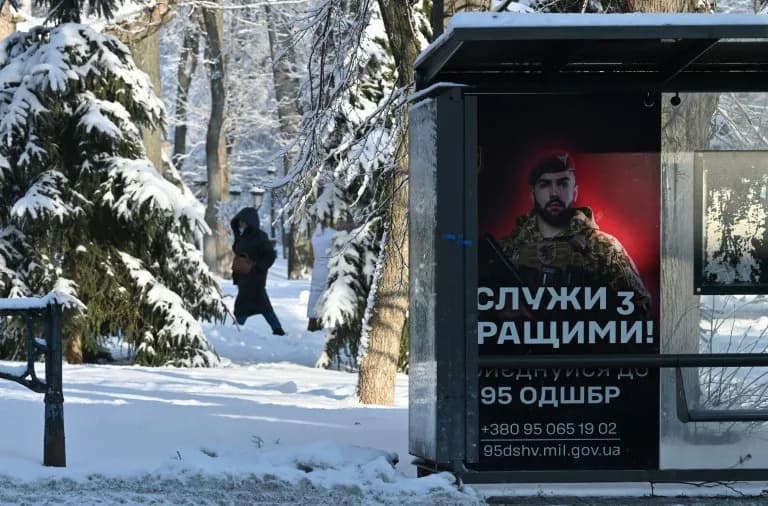
Dec. 5 — Russian President Vladimir Putin reiterated a stark ultimatum Thursday, demanding that Ukraine withdraw its forces from the remaining areas of the Donbas region still under Kyiv's control or face being expelled there by Russian troops.
“It boils down to this: either we liberate these territories by force, or Ukrainian troops will leave these territories and stop fighting there,”Putin said during a state visit to India.
Diplomatic Effort Centers on a U.S.-Backed Plan
The remark came as U.S. envoys were attempting to broker a compromise to end the conflict based on a plan developed jointly by the White House and the Kremlin — a framework first advanced by Donald Trump in mid-November and since revised with input from Ukrainian and European officials.
U.S. negotiators led by special envoy Steve Witkoff and Jared Kushner, a senior Trump adviser and son-in-law, were preparing to brief a Ukrainian delegation in Miami on the latest round of talks held in Moscow earlier this week. The Moscow session lasted nearly five hours and was described by U.S. participants as substantive.
Sticking Points and Moscow's Position
Putin said the Moscow meeting took longer than expected because his team had not seen the most recent version of the proposal and needed to review every point in detail. He said Russia opposed certain provisions but did not specify which clauses were objectionable.
Yuri Ushakov, Putin's top foreign-policy aide, told reporters the talks were "constructive" but that the core issue — Ukraine ceding territory seized by Russian forces — remained unresolved. The Kremlin also confirmed discussion of broader security guarantees, including NATO-related measures, and said Putin was willing to meet with the U.S. delegation "as many times as needed."
Humanitarian Rationale and Economic Levers
In an interview on Indian television, Putin said he believed humanitarian concerns were part of Donald Trump's motivation in pushing the plan. “There is no doubt that President Trump had a sincere intention [to resolve the conflict],” Putin said, adding that minimizing civilian losses had been emphasized in proposals.
Putin's visit to India coincided with U.S. efforts to curb purchases of discounted Russian oil. The administration warned in August that it could impose an additional 25% tariff on Indian goods — a move that would have raised total tariffs on some imports to 50% — to discourage Indian purchases of Russian crude and prevent re-exports of refined products to third countries. In October, U.S. officials said Indian Prime Minister Narendra Modi had agreed to halt purchases of Russian oil, a development the White House described as a diplomatic success.
Outlook: While negotiators described talks as lengthy and constructive, the two main obstacles to a deal remain the future status of territory seized by Russian forces and the nature of security guarantees for Ukraine. Absent agreement on those points, Putin's ultimatum raises the prospect of renewed military pressure in the Donbas.
Help us improve.