The Johns Hopkins team reports that low, physiological levels of hydrogen sulfide may protect aging brain cells and reverse behavioral deficits in a mouse model of Alzheimer’s. Delivering hydrogen sulfide via the donor compound NaGYY improved memory and motor performance by about 50% over 12 weeks. Experiments suggest hydrogen sulfide prevents harmful interactions between GSK3β and Tau that lead to neuronal tangles. These findings are promising but preliminary, and clinical studies are needed to assess safety and effectiveness in humans.
Smelly Gas May Protect Against Alzheimer’s: Johns Hopkins Study Reverses Cognitive Deficits in Mice

Hydrogen Sulfide Shows Promise in Preclinical Alzheimer’s Research
Researchers at Johns Hopkins Medicine report that low, physiological levels of hydrogen sulfide — the gas responsible for rotten-egg odors — may protect aging brain cells and reverse behavioral deficits in a mouse model of Alzheimer’s disease. The findings were published in the Proceedings of the National Academy of Sciences (PNAS).
Although hydrogen sulfide is toxic at high concentrations, the body naturally produces small amounts that act as signaling molecules. In this study, scientists focused on a biochemical modification called sulfhydration, in which hydrogen sulfide modifies target proteins and influences cell signaling in the brain.
“Our new data firmly link aging, neurodegeneration and cell signaling using hydrogen sulfide and other gaseous molecules within the cell,” said lead author Dr. Bindu Paul.
The team found that sulfhydration levels decline with age and are lower in brains affected by Alzheimer’s disease. To test whether restoring hydrogen sulfide could affect disease processes, investigators gave mice that model human Alzheimer’s a slow-releasing hydrogen sulfide donor called NaGYY for 12 weeks.
Behavioral testing showed sizable benefits: NaGYY-treated animals displayed approximately a 50% improvement in combined cognitive and motor performance compared with untreated model animals. Treated mice performed better in memory tasks (such as locating a platform in maze-like tests) and were more physically active than controls.
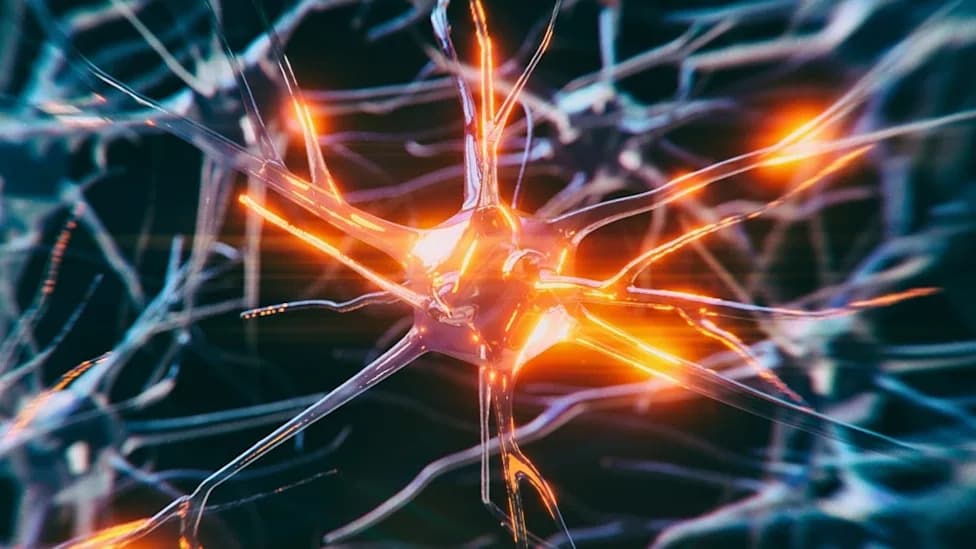
Follow-up experiments identified a likely molecular mechanism. The researchers observed that adequate hydrogen sulfide levels keep the enzyme glycogen synthase kinase 3β (GSK3β) functioning normally. When hydrogen sulfide is deficient, GSK3β shows increased interaction with the neuronal protein Tau, promoting formation of the tangles and clumps that disrupt neuronal communication and lead to cell death — hallmark features of Alzheimer’s pathology.
Ph.D. student Daniel Giovinazzo, the study’s first author, said: “Understanding the cascade of events is important to designing therapies that can block this interaction like hydrogen sulfide is able to do.”
Caveats and Next Steps
These results are preclinical and derived from an animal model. While the NaGYY compound mimics steady, low-level hydrogen sulfide production and produced promising effects in mice, further research is required to determine safety, dosing, delivery methods, and efficacy in humans. Importantly, hydrogen sulfide is hazardous at high concentrations, so therapeutic approaches must carefully control exposure.
Conclusion: The study identifies hydrogen sulfide signaling and protein sulfhydration as potential targets for future Alzheimer’s therapies and supports additional investigation into hydrogen sulfide donors and related strategies in clinical research.
Help us improve.