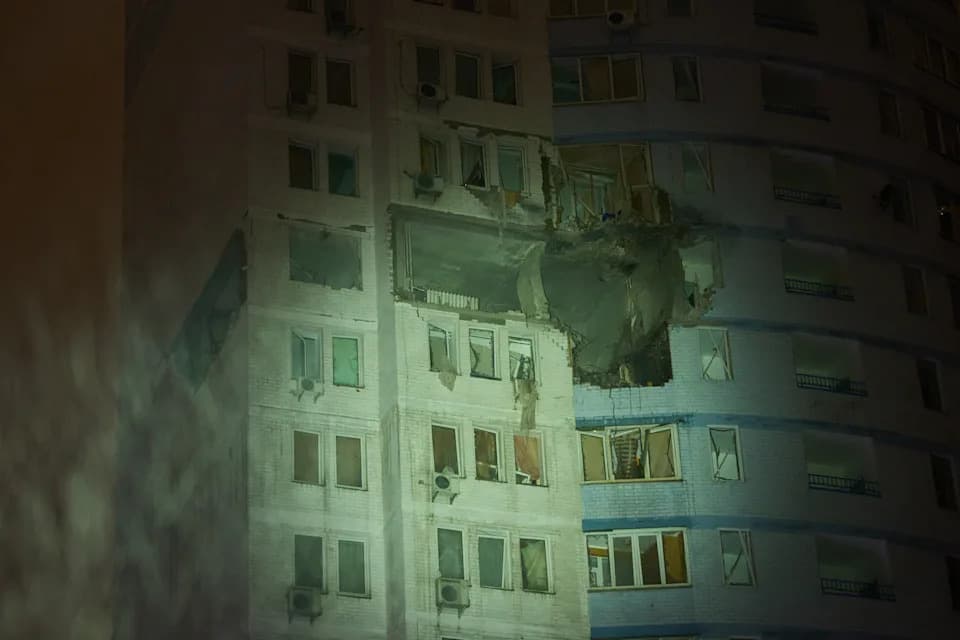
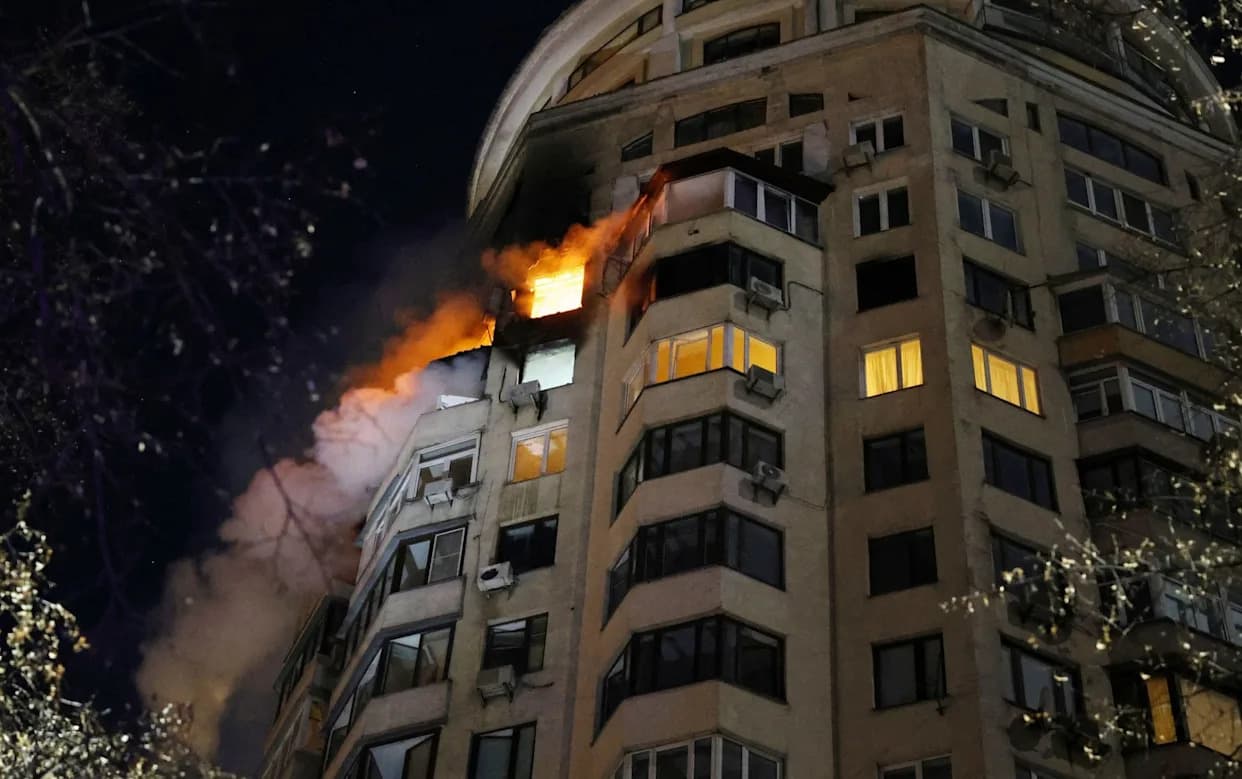
Arrest in Ukraine Exposes Hidden Campaign: The detention of British national Ross David Cutmore has revealed a covert surge in targeted killings tied to the Russia–Ukraine war, stretching from Kyiv to Madrid. ACLED data records nine Russian attempts in Ukraine from 2023 to August 2025, but independent research shows Ukraine’s strikes inside Russia accelerated sharply after late 2024. High-profile victims — including Lt Gen Igor Kirillov — and the use of disguised explosives, mail bombs and unwitting couriers signal a more sophisticated, dangerous pattern that analysts warn may outlast the battlefield.
Mapped: The Covert Assassination Campaign Between Russia and Ukraine — From Kyiv Streets To Madrid Suburbs

Mapped: Russia and Ukraine’s Deadly Shadow War Of Assassinations
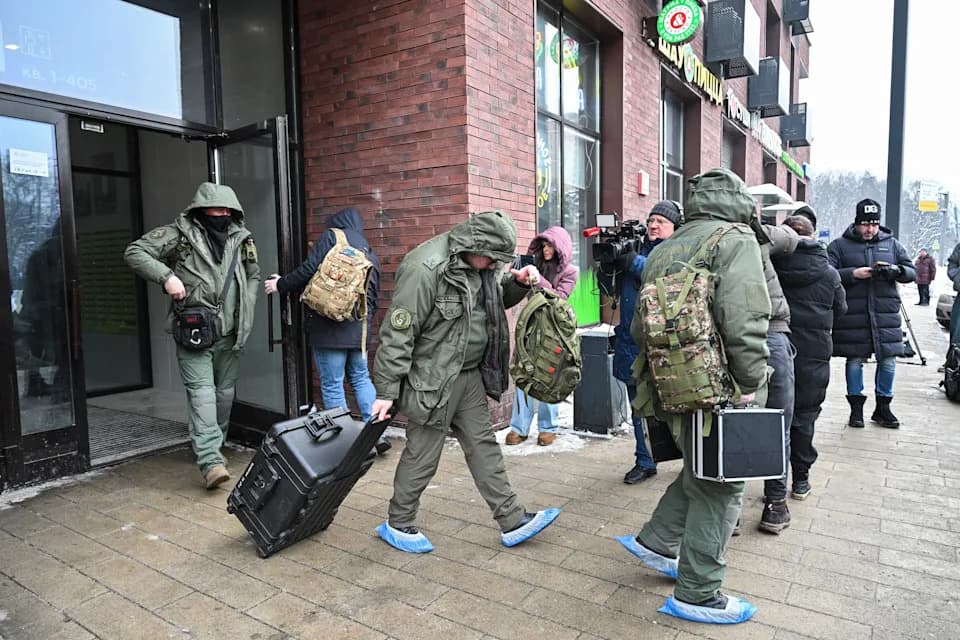
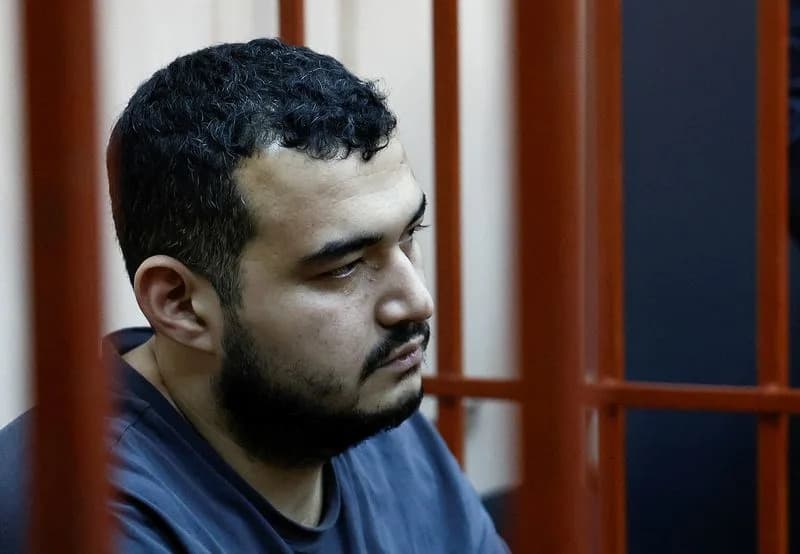
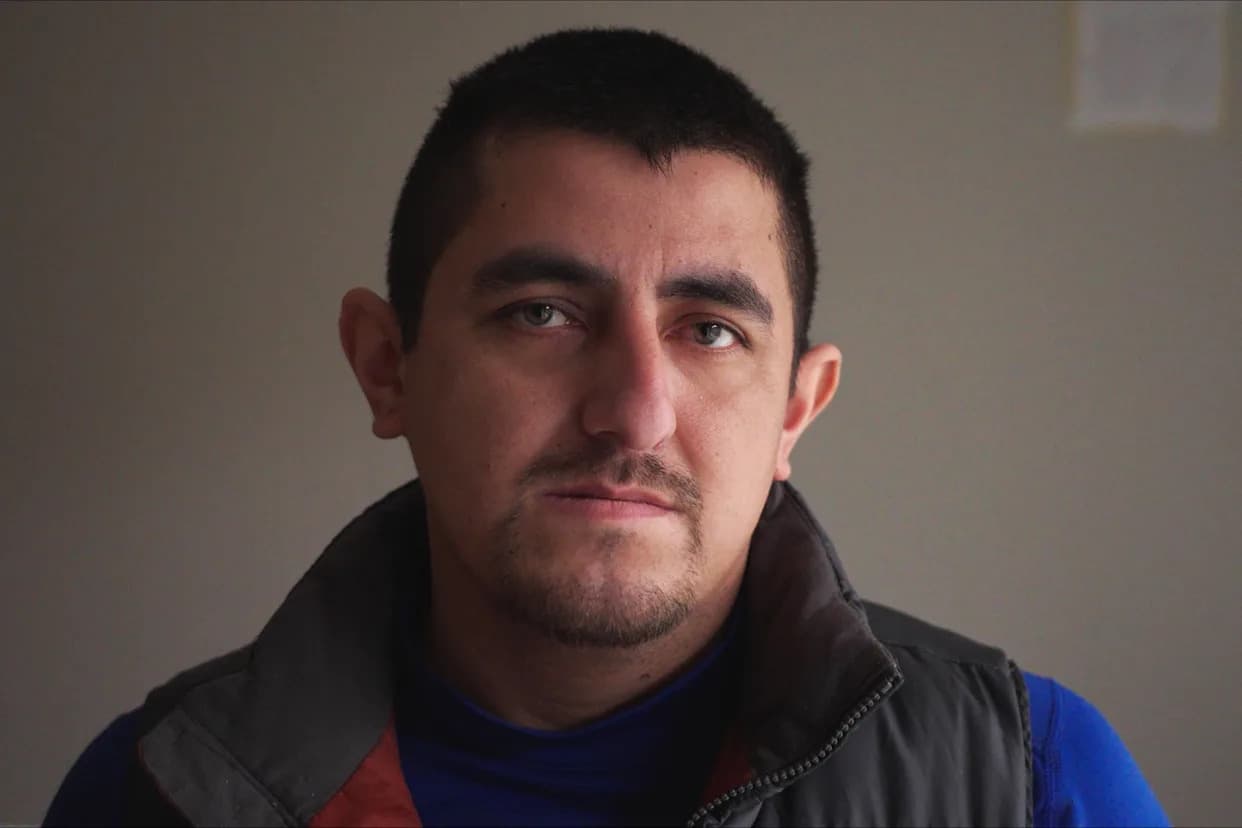
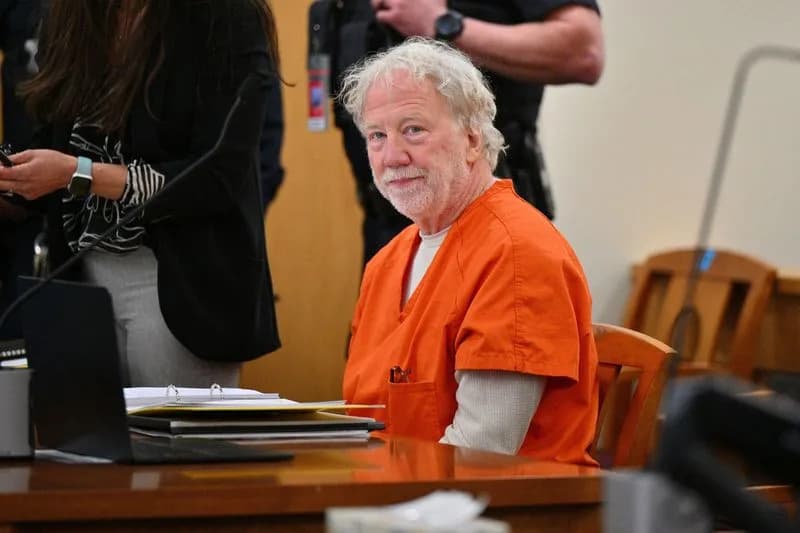
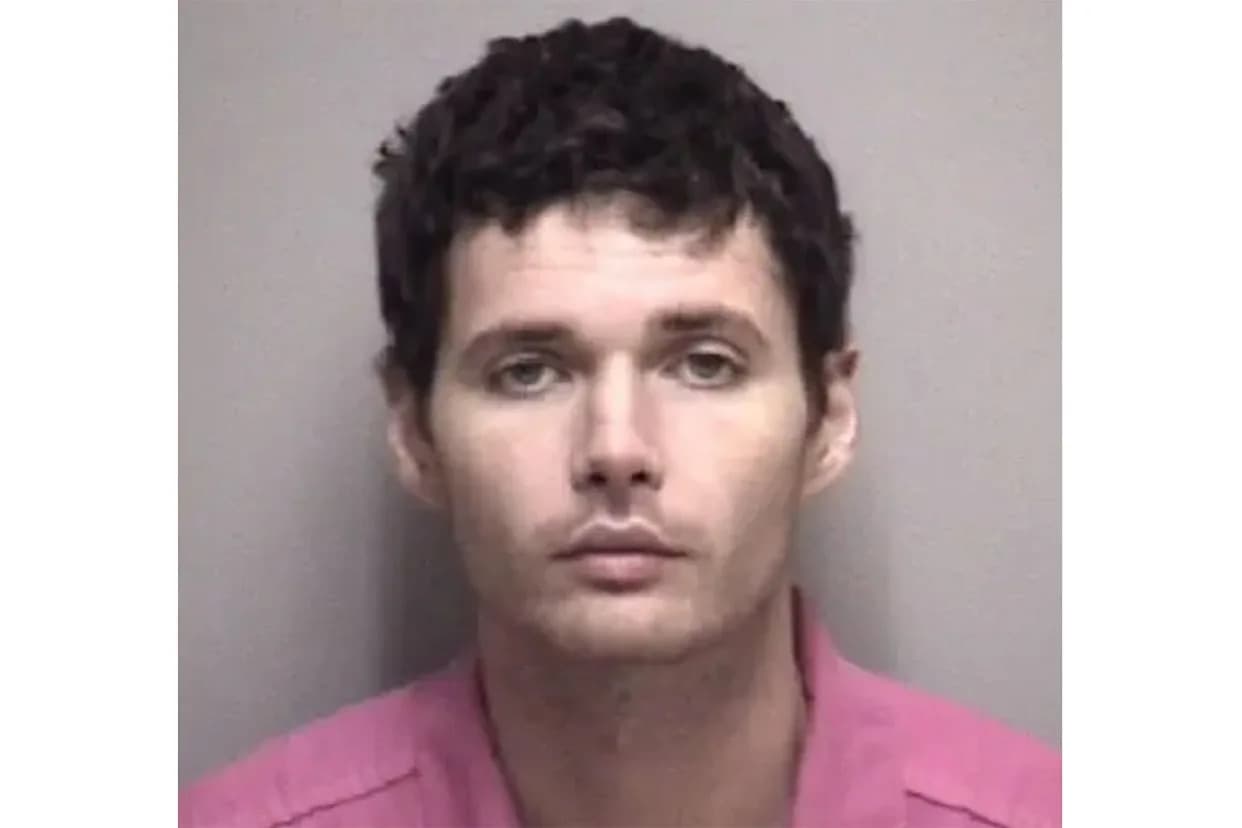
A recent arrest in Ukraine has exposed a widening, covert campaign of targeted killings linked to the Russia–Ukraine conflict. British national Ross David Cutmore, who arrived in Ukraine in 2024, is accused of importing and distributing weapons allegedly used in the murders of three prominent Ukrainians: activist Demian Hanul and politicians Iryna Farion and Andriy Parubiy. Investigators say his arrest highlights a broader, largely concealed dimension of the war that reaches from Kyiv and Moscow to suburbs of Madrid.
Outsourcing Violence
Analysts contend that, rather than deploying large numbers of professional foreign operatives, Moscow has often relied on local collaborators, migrants and criminal networks to target political and military figures inside Ukraine and abroad. This approach lets Russia pursue covert attacks while limiting direct attribution.
Data And Direction
ACLED, a global conflict monitor, recorded nine attempted or successful Russian assassinations in Ukraine between 2023 and August 2025. Targets ranged from nationalist activists to serving intelligence officers, often selected to bolster Kremlin narratives about combating extremism.
Independent research indicates Kyiv has increasingly taken an offensive role in the covert campaign. By late 2024 a turning point had arrived: the pace and reach of Ukraine’s targeted operations began to outstrip Russia’s. In the first eight months of 2025, assassination attempts attributed to Ukraine inside Russia reportedly exceeded the annual totals for 2022–2024 as Kyiv shifted focus toward individuals linked to Russia’s war machinery.
Notable Strikes And Methods
Some high-profile strikes underline the campaign’s growing precision and technical sophistication. On 17 December 2024, Lt Gen Igor Kirillov, who oversaw Russia’s radiation, chemical and biological defence forces, was reportedly killed by a remotely detonated device hidden inside an electric scooter. Days earlier, engineer Mikhail Shatsky, involved in missile and drone production, was shot dead. In April 2025, car bombs killed senior figures tied to electronic warfare and operational planning, including Gen Yaroslav Moskalik.
Many attacks have used disguised explosives, mail bombs assembled with the help of unwitting couriers recruited online, shootings and, in some reported cases, apparent suicide bombings. ACLED documented killings such as those of Armen Sarkisian, founder of the Arbat battalion, and Zaur Gurtsiev, accused of overseeing the bombardment of Mariupol — in at least one instance the device carrier may not have known what they were transporting.
Operations In Russian-Held Areas
Kyiv’s reach has also extended into territories Russia has controlled for years. The 2018 assassination of Donetsk warlord Alexander Zakharchenko was an early indication of Ukraine’s ability to operate in Russian-held areas. Since the full-scale invasion in 2022, multiple high-profile killings have been reported in regions such as Luhansk and Donetsk, including the death of the Russian-installed interior minister Igor Kornet and the head of Olenivka prison — the site linked to the deaths of dozens of Ukrainian prisoners of war in 2022.
Retaliation And Risks
Russia has sought to respond in kind. ACLED notes at least nine Russian assassination attempts between 2023 and August 2025, many of which relied on local proxies and, according to observers, were often poorly executed. Victims on both sides tend to be nationalist or anti-Russian figures, propagandists, military officers and engineers.
Nichita Gurcov, Europe and Central Asia Senior Analyst at ACLED, warned that this “duel of assassinations” is unfolding alongside an erosion of established rules of engagement in conventional warfare and could create “a self-sustaining spiral of violence” that short-circuits due process.
Long-Term Implications
Targeted killings are unlikely to end Russia’s broader war effort, but they impose a persistent psychological cost on individuals who support or enable the invasion. Observers caution that with weapons proliferated and grievances unresolved, covert killings could continue long after active hostilities or any negotiated settlement have ended.
Note: This article synthesizes reporting from conflict monitors and open-source reporting on targeted killings connected to the Russia–Ukraine conflict up to August 2025.
Help us improve.