Four to five military‑grade drones breached a declared no‑fly zone over Dublin and approached the area where President Volodymyr Zelensky’s plane was expected; the aircraft landed slightly early and was not in direct danger. The UAVs orbited the covertly deployed patrol ship LÉ William Butler Yeats, which has no air radar, and were observed with lights on. Officials described the episode as a potential act of hybrid warfare and noted it highlighted shortfalls in Ireland’s defence capabilities amid concerns about activity by Russia’s "shadow fleet."
Military Drones Breach Dublin No‑Fly Zone and Approach Zelensky’s Plane, Officials Say

Military Drones Breach No‑Fly Zone as Zelensky’s Plane Arrives in Dublin
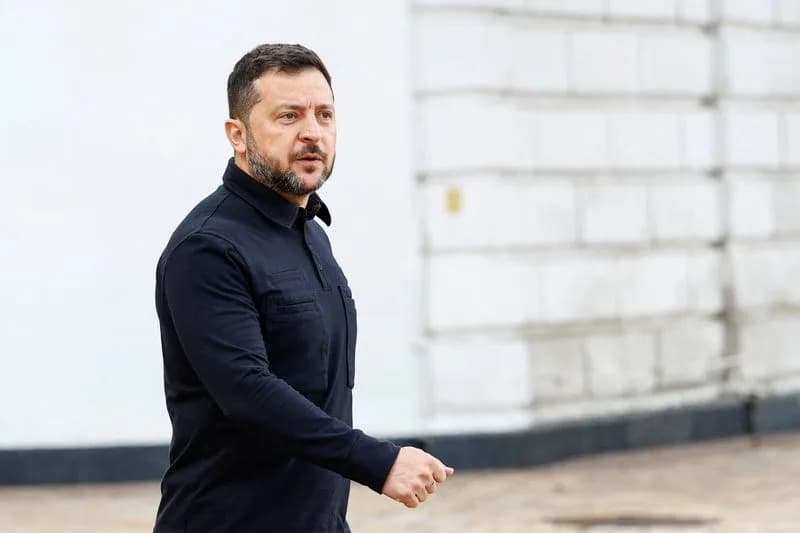
Four — and by some accounts five — unmanned military drones violated a declared no‑fly zone over Dublin and flew toward the area where Ukrainian President Volodymyr Zelensky’s aircraft was expected to land on Monday, sources told The Journal and The Irish Times. The president’s flight landed slightly ahead of schedule at about 11pm and was not in direct danger, officials said.
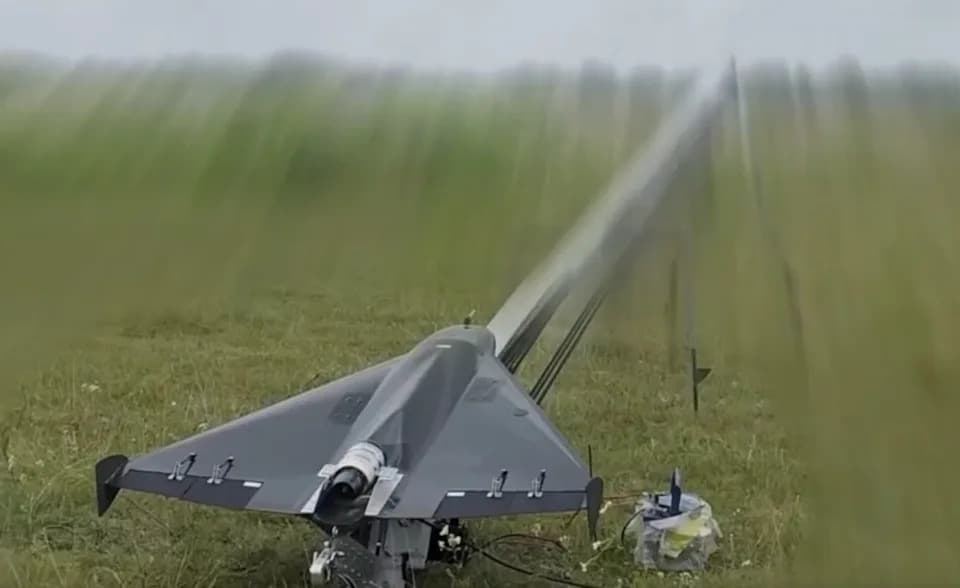
The unidentified UAVs reached the location where Mr. Zelensky’s plane was due to arrive and then orbited an Irish naval vessel that had been deployed covertly in the Irish Sea ahead of the visit. Security sources described the drones as military‑grade and said their lights were switched on, suggesting they were intended to be seen and may have been aimed at disrupting the arrival.
What Happened
Sources told The Journal the drones took off to the north‑east of Dublin and remained airborne for roughly two hours. It is not publicly known who launched the drones or their current whereabouts. Security officials said the incident could be classified as an act of hybrid warfare.
The Irish Defence Forces deployed the offshore vessel LÉ William Butler Yeats as part of the security operation. The ship has no air radar; lookouts on deck reported seeing lights from the drones against the night sky. Commanders decided not to attempt to shoot the drones down because the ship lacked systems to reliably disable UAVs at range — its only effective weapons were machine guns.
Response And Assessment
One Irish Air Corps aircraft was reported to be patrolling nearby but did not engage the drones. The taoiseach and the ministers for justice and defence were briefed in the hours after the incident; it is not clear whether President Zelensky himself received a direct briefing.
Security sources told the Irish Times that Russian security services are the most likely suspects, though officials emphasised there is no direct evidence publicly tying Moscow to the incident. The episode took place amid a wider European increase in drone incursions that have previously disrupted airports and infrastructure.
Context: Shadow Fleet And Defence Shortfalls
Officials also noted an uptick in activity by Russia's so‑called "shadow fleet" in Irish waters during the visit. Analysts have accused some sanctioned tankers of being used to launch or support drone operations across Europe; one widely reported case involved a tanker, the Boracay, which was linked to drone swarms that disrupted Copenhagen in September and was later seized by French authorities.
The incident highlighted limits in Ireland’s defence capacity. Ireland has eight naval vessels but chronic personnel shortages recently left only four operationally available at times. In 2024 the government allocated €1.3bn to defence (about 0.24% of GDP) versus a European average of 1.74%. Dublin plans to buy combat aircraft and double its naval fleet in coming years to strengthen national capabilities.
Officials' Statements
The Department of Defence declined to comment for operational security reasons. Fianna Fáil MEP Barry Andrews said: "It is a criminal offence to operate a drone within this area without permission." He thanked the aviation authority and police for their roles in keeping the presidential delegation safe.
"They had the capability and intent. They could have taken action at any moment of their choosing," a security source told reporters, characterising the drones' behaviour as concerning.
This incident is being treated seriously by Irish authorities and has intensified debate about defence spending, capabilities and readiness as Ireland prepares to take up the rotating presidency of the European Union next year.
Help us improve.