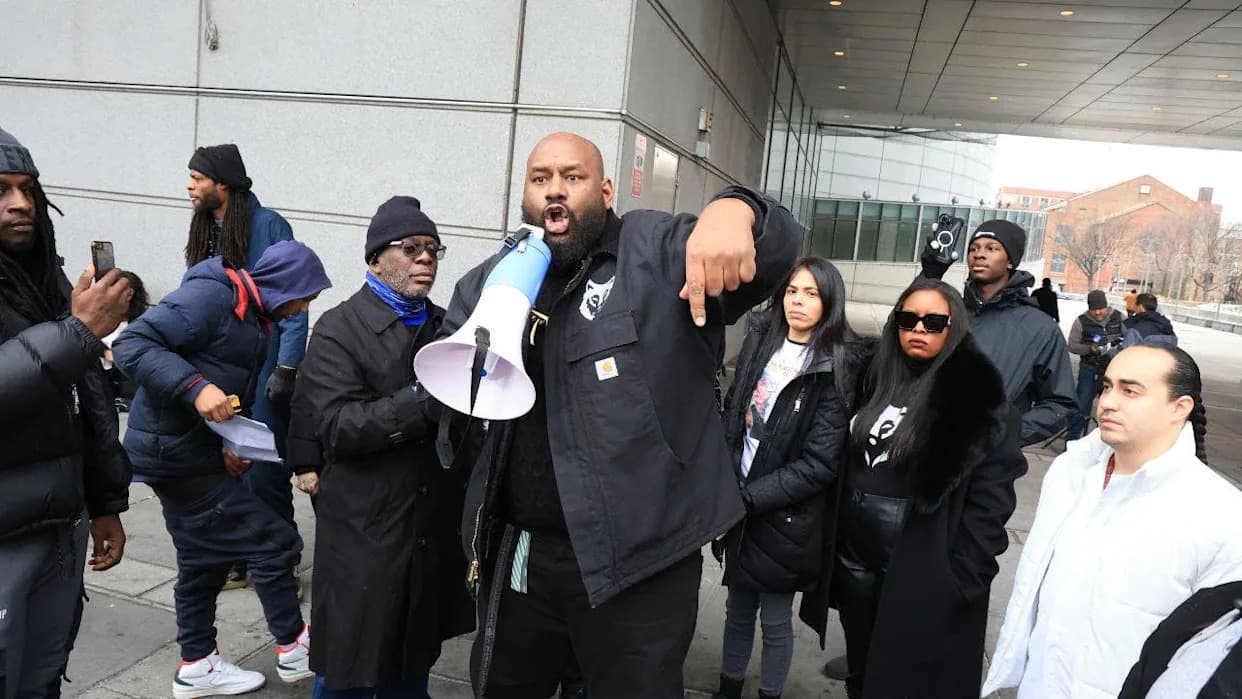
The U.S. State Department announced visa restrictions for Nigerians and their relatives deemed responsible for mass killings and violence against Christians, citing Section 212(a)(3)(C) of the Immigration and Nationality Act. Marco Rubio said the measure targets extremist groups, Fulani militias and other violent actors and can be applied to governments or individuals who violate religious freedom. The move comes amid long‑standing insecurity in Nigeria—from Boko Haram to farmer–herder clashes and rising kidnapping gangs—and follows President Trump’s order to the Pentagon to begin planning possible military action.
U.S. to Restrict Visas for Nigerians Linked to Violence Against Christians, State Department Says

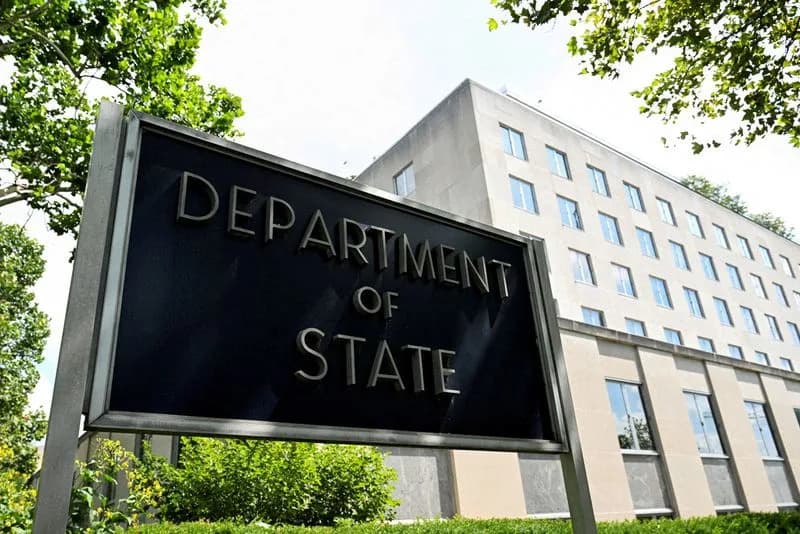
The U.S. State Department announced new visa restrictions targeting Nigerians and their family members who are judged responsible for mass killings and violence against Christians, according to a statement posted on the social platform X.
In the statement, Marco Rubio said the measure is “decisive action in response to the mass killings and violence against Christians by radical Islamic terrorists, Fulani ethnic militias, and other violent actors in Nigeria and beyond.” The Department added the policy can also apply to governments or individuals engaged in violations of religious freedom.
Legal basis. The restrictions are being implemented under Section 212(a)(3)(C) of the Immigration and Nationality Act, which allows the U.S. to deny visas to foreign nationals involved in terrorism-related activities or severe violations of religious freedom.
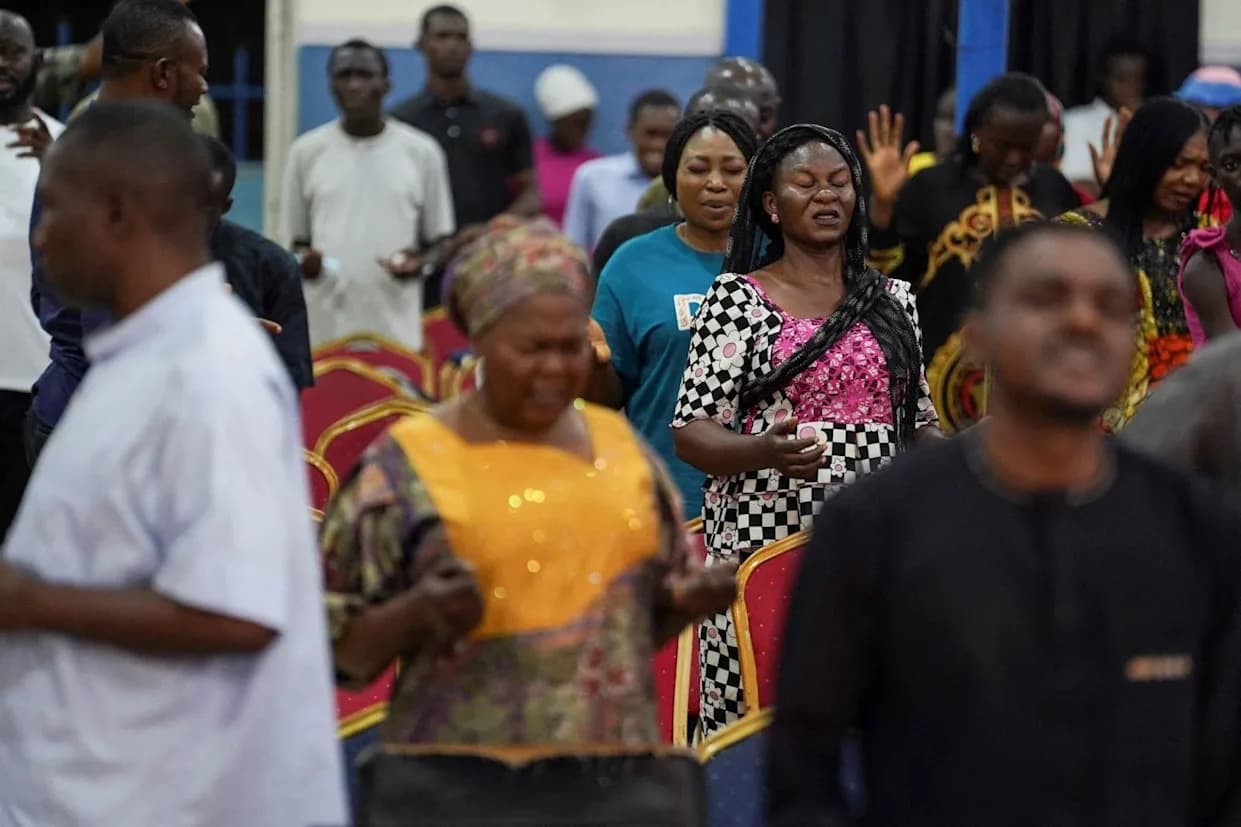
Context and causes of violence. Attacks across Nigeria arise from multiple, overlapping causes: some are religiously motivated and target both Christians and Muslims; others stem from farmer–herder clashes over dwindling resources, communal and ethnic rivalries, secessionist movements, and criminal activity. Nigeria’s population of roughly 220 million is split nearly evenly between Christians and Muslims.
Security threats in Nigeria include the Boko Haram extremist group, which pursues a radical interpretation of Islamic law and has attacked both Muslims and Christians, and an uptick in armed gangs in central regions that kidnap residents for ransom. Local dynamics vary by region and often involve a mix of criminal, economic and political drivers.
Separately, the statement noted that last month President Donald Trump said he had ordered the Pentagon to begin planning for potential military action in Nigeria amid claims of persecution of Christians. The State Department said the visa restrictions are part of a broader effort to hold perpetrators accountable while distinguishing them from entire communities that are themselves victims of violence.
Help us improve.