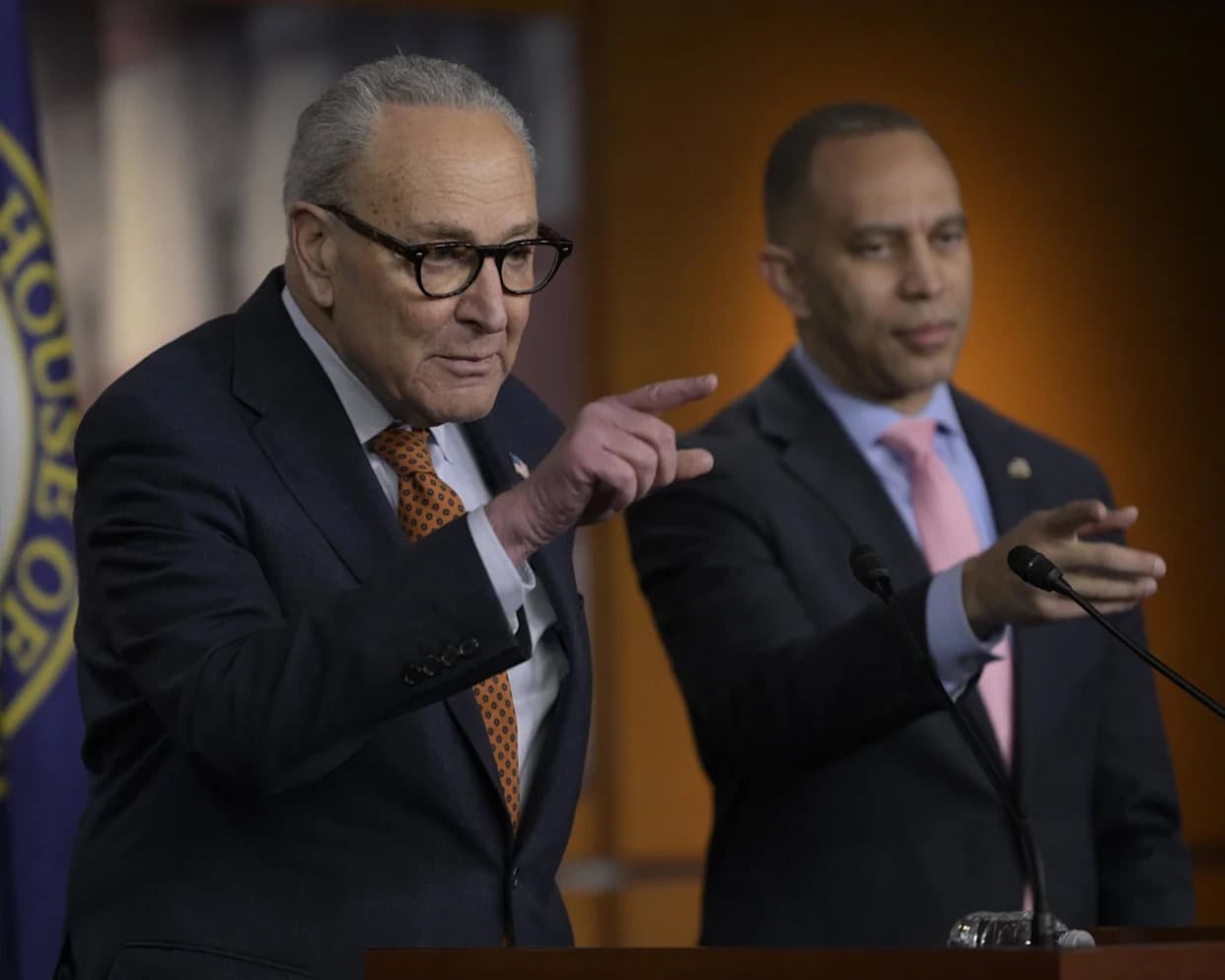
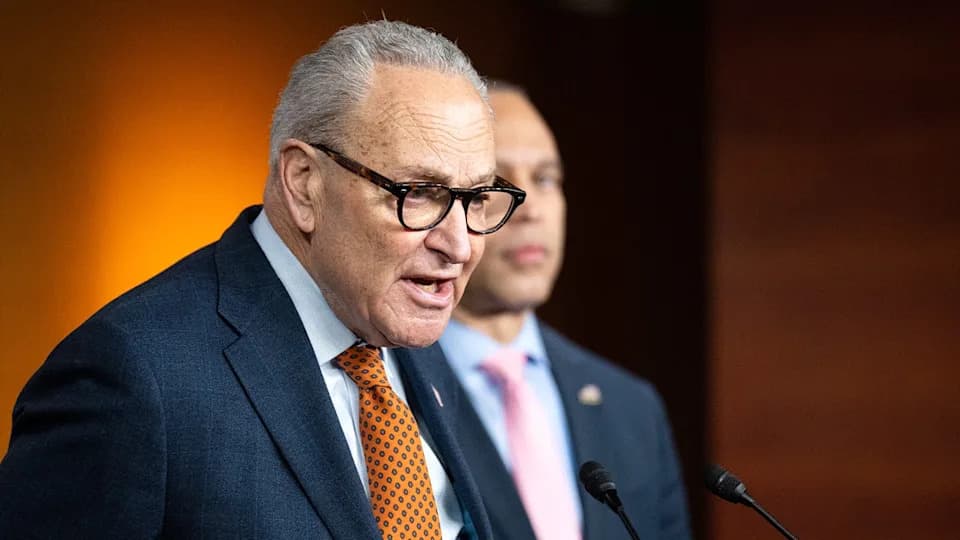
Short-term outrage can obscure longer strategic intent. Eight Senate Democrats who voted to end the 43-day shutdown faced immediate criticism, but their move steered attention to affordable health care and the ACA’s enhanced premium tax credits. That reframing has given Democrats a measurable advantage on health-care trust as they prepare for the 2026 midterms. By prioritizing message discipline and timing, Democrats have put Republicans on defense.
Democrats Played the Long Game — How Ending the Shutdown Shifted the 2026 Narrative

The Trump-era news cycle rewards speed, not perspective. Instant punditry treats each headline as the final word; strategic politics treats headlines as beats in a longer campaign. With that distinction in mind, the decision by eight Senate Democrats to vote to reopen the government looks less like a betrayal and more like a deliberate midterm play.
When those senators crossed the aisle to end the 43-day shutdown, immediate coverage framed the vote as catastrophic for Democrats. In time, however, the move helped refocus the public debate on affordable health care — specifically the question of extending enhanced premium tax credits under the Affordable Care Act — turning a technical funding fight into a salient political issue.
Lessons from a longer lens
Midterms are typically referendums on the sitting president and his party; the successful opposition builds a clear narrative that highlights the president’s most unpopular actions. The playbook is familiar: choose one high-impact issue, message it consistently, and let it define the contest for independents and moderates.
“I have political capital, and I intend to spend it.” — George W. Bush
That remark after the 2004 election prompted Democrats to organize around opposition to partial Social Security privatization, a disciplined strategy that helped produce big gains in the 2006 midterms. The recent shutdown episode follows the same logic: use a focused, broadly resonant issue to shape the electorate’s priorities heading into 2026.
What happened in this shutdown
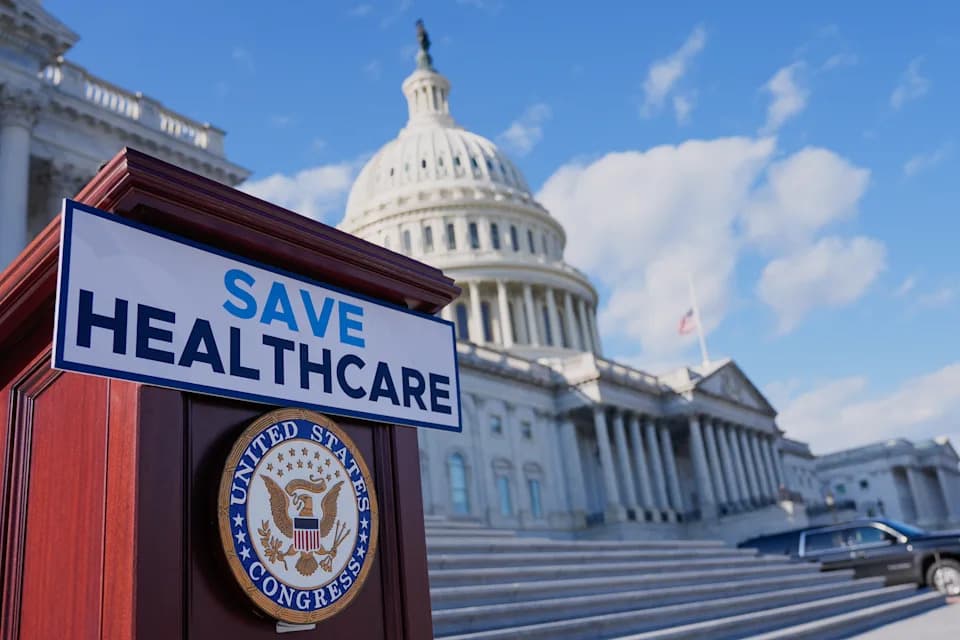
Democrats conditioned reopening on protections for affordable health care, elevating the debate over premium tax credits into the national conversation. Polling has shown Democrats holding a notable advantage on health-care trust, and the political pressure is now prompting Republicans — including President Trump — to propose alternatives that might placate vulnerable incumbents while satisfying conservative critics.
Other indicators of political strain for Republicans have appeared: a high-profile House Republican has signaled a planned resignation, party officials warn of potential retirements, and approval metrics for the president remain at historically challenging levels for the GOP. Those dynamics make health care an especially potent issue for Democrats as they prepare for the midterms.
Strategic restraint, decisive framing
Democrats managed the shutdown with an eye to timing and message discipline. They recognized the risks of a prolonged government closure, accepted a pragmatic exit before the story became a liability, and used the episode to harden their advantage on a key issue. By shifting the debate to affordable health care and the ACA subsidies, they’ve placed Republicans on the defensive going into 2026.
Steve Israel represented New York in the U.S. House for eight terms and served as chairman of the Democratic Congressional Campaign Committee from 2011 to 2015.
Help us improve.