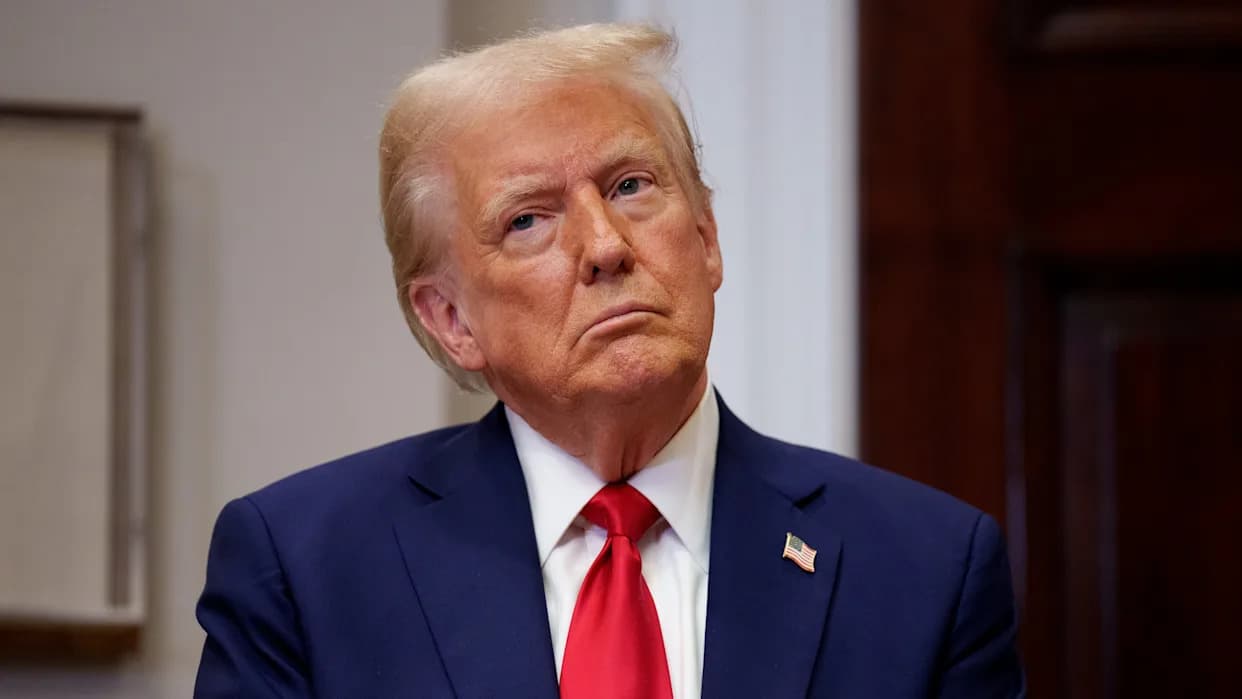
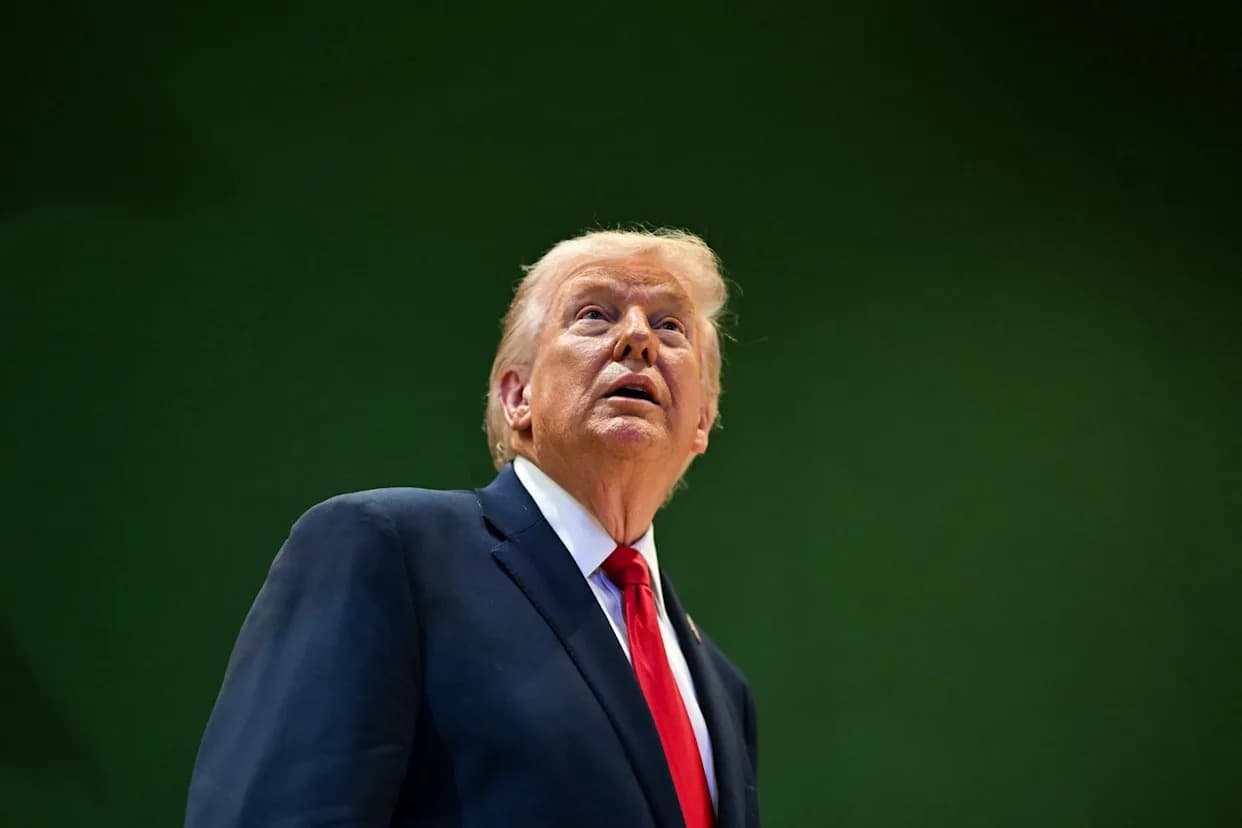
Former Honduran president Juan Orlando Hernández—convicted in New York of enabling shipments of more than 400 tons of cocaine and serving a 45-year sentence—was released after receiving a pardon from Donald Trump. The decision highlights tensions between U.S. rhetoric on narco-states (notably Venezuela) and the reality of a convicted head of state walking free. Critics argue the pardon fits a broader pattern of controversial clemencies, including moves that raised concerns about conflicts of interest.
Trump Pardons Juan Orlando Hernández — Why the Move Matters

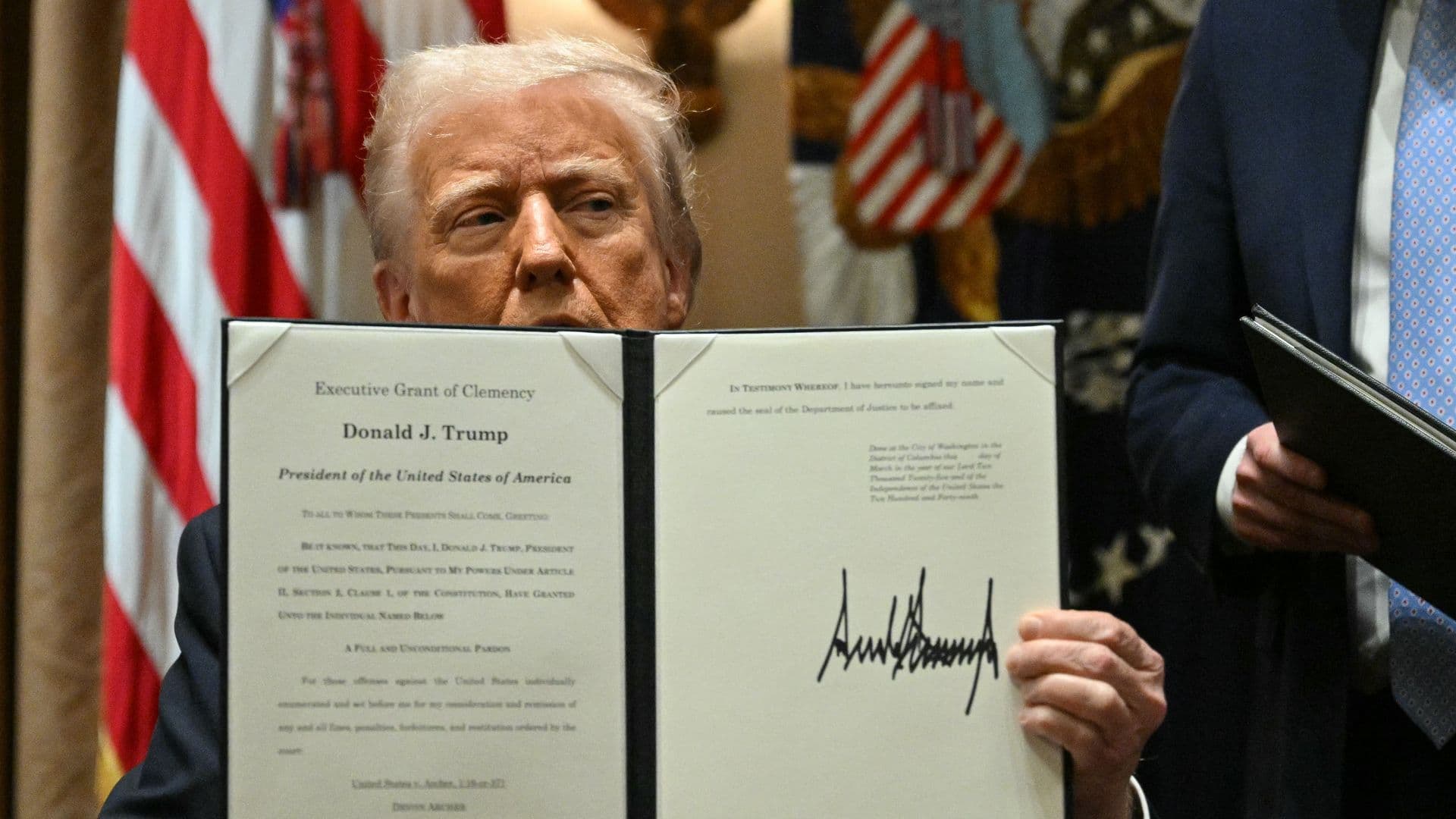
Former Honduran president Juan Orlando Hernández, who had been serving a 45-year federal sentence after a New York conviction for large-scale cocaine trafficking, was released after receiving a pardon from Donald Trump.
What happened?
Trump announced the pardon after receiving a letter from Hernández in which the former Honduran leader described himself as a victim of "political persecution" by the Biden administration and asked for clemency. The pardon led to Hernández's release from federal custody on Tuesday.
Conviction and allegations
Hernández served two terms as Honduras's president and was convicted last year in a federal court in New York on drug-trafficking and firearms charges. Prosecutors said he used the powers of his office to facilitate shipments of more than 400 tons of cocaine into the United States and accepted bribes from cartel figures, including associates of Joaquín “El Chapo” Guzmán.
Why this matters
The pardon matters for multiple reasons. It highlights tensions between rhetoric and policy: the U.S. has at times labeled regional leaders and regimes—most prominently Venezuela’s Nicolás Maduro—as narco-state actors deserving of strong action. Commentators such as Josh Keating have noted that such labels can oversimplify complex realities; Hernández’s conviction, by contrast, is a concrete example of a head of state found guilty of enabling large-scale drug trafficking. The pardon removes the legal consequences Hernández faced and raises questions about consistency and priorities in U.S. foreign policy and law enforcement.
Broader clemency pattern and concerns
Observers say Hernández’s pardon is among the most high-profile uses of presidential clemency in recent memory, but it is not isolated. The same administration granted clemency to individuals convicted of fraud and corruption, the founder of an online drug marketplace, and numerous people convicted in connection with the January 6, 2021, attack on the U.S. Capitol, including some who assaulted police officers. An October pardon issued to cryptocurrency executive Changpeng Zhao also drew scrutiny because of business ties between his exchange, Binance, and the former president’s family—raising concerns about potential conflicts of interest or self-dealing.
Giving Tuesday note
Separately, today is Giving Tuesday—the global day of charitable giving that follows Black Friday and Cyber Monday. Vox’s Future Perfect has assembled a practical guide to effective giving, including recommendations for high-impact donations, cause-specific suggestions (such as animal welfare), and non-monetary ways to help, like donating blood during a season when demand often rises.
“Giving felt so good, not only because I knew it was helping others, but because it reminded my brain that I’m not a solitary, atomized being; I’m connected to everyone else.” — Sigal Samuel
If you want to learn more: read commentary from analysts such as Josh Keating and pieces on effective giving by Sigal Samuel for additional context and practical advice.
Help us improve.