The Trump administration has asked the U.S. Supreme Court to block state failure-to-warn suits against Monsanto over Roundup, arguing federal pesticide law (FIFRA) preempts state labeling claims. The appeal stems from a Missouri verdict that awarded $1.25 million to John Durnell. Monsanto says the decision could affect about 100,000 similar lawsuits, while critics point to conflicting scientific assessments: the EPA finds glyphosate unlikely to be carcinogenic, but the WHO’s IARC labels it "probably carcinogenic to humans."
U.S. Government Backs Monsanto Bid to Block Roundup Cancer Lawsuits
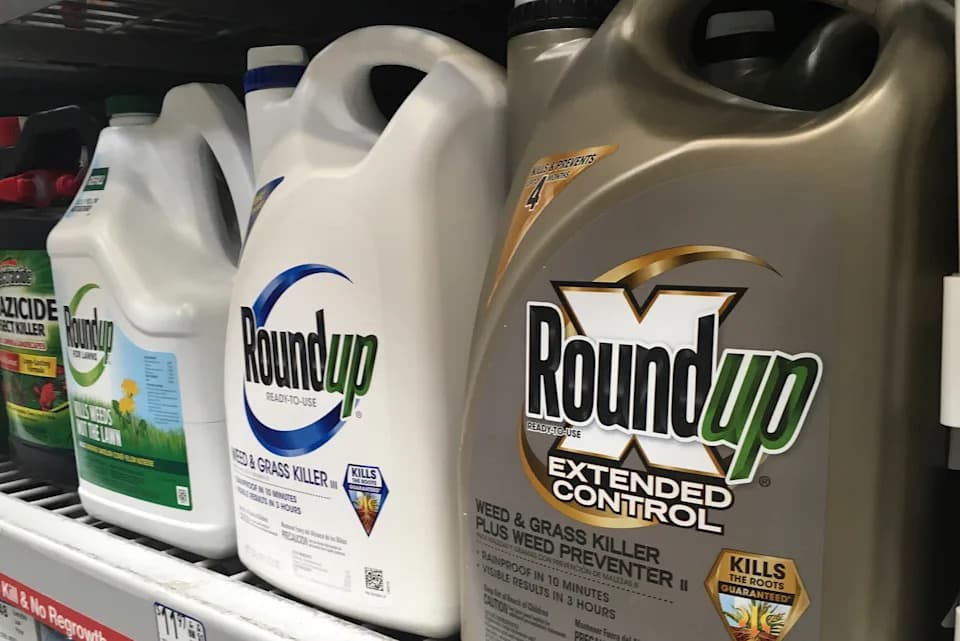
The Trump administration has filed a brief with the U.S. Supreme Court supporting Monsanto’s request to block state-level failure-to-warn lawsuits that claim the company did not adequately disclose cancer risks tied to its Roundup herbicide.
Federal preemption and the legal question
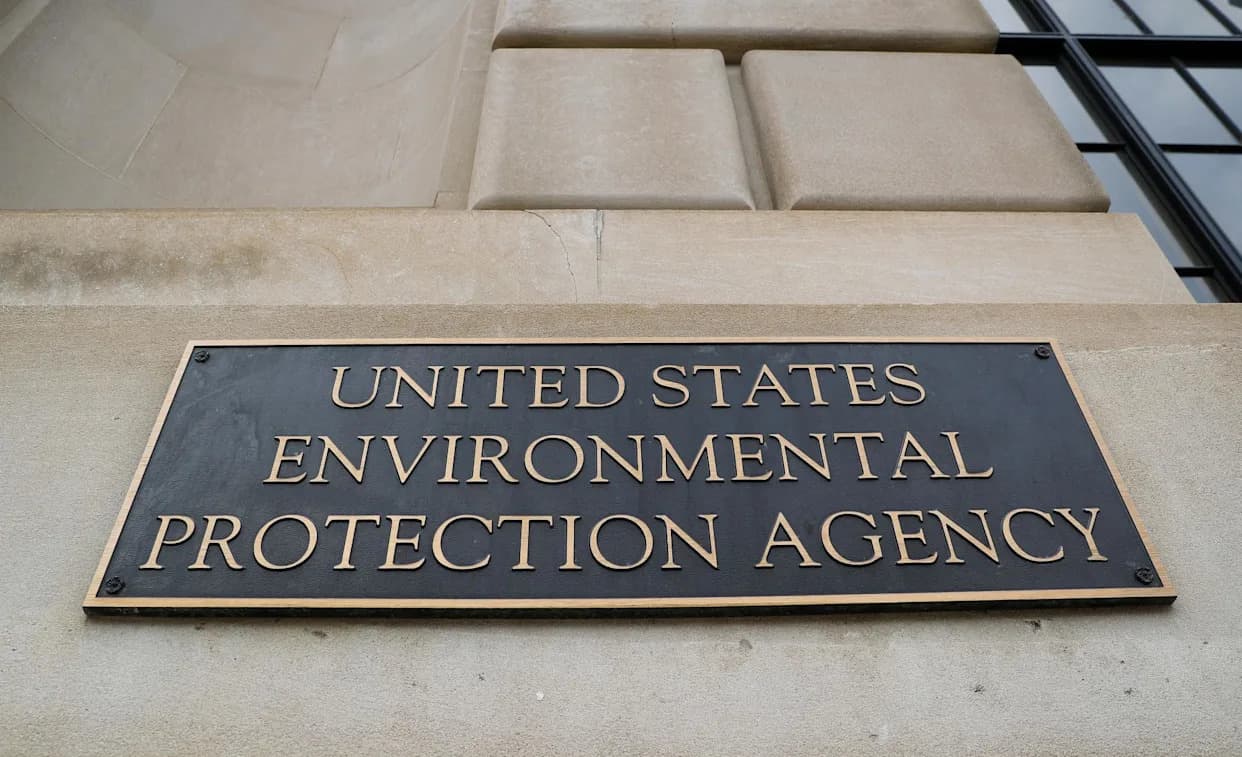
In the filing, the government argues these state-law claims are preempted by the Federal Insecticide, Fungicide, and Rodenticide Act (FIFRA). The brief says that because the Environmental Protection Agency (EPA) has reviewed glyphosate, Roundup’s active ingredient, and concluded it is not likely to be carcinogenic, states should not be permitted to impose additional labeling or warning requirements that conflict with federal pesticide regulation.
The case at issue
The appeal centers on a Missouri verdict that awarded $1.25 million to cancer patient John Durnell under the state’s failure-to-warn law. Monsanto asks the Supreme Court to overturn a lower-court decision requiring the company to pay damages and to resolve whether federal pesticide law prevents states from imposing different labeling or warning duties.
Scope and industry reaction
Monsanto says the ruling could affect roughly 100,000 similar suits nationwide, according to its court filings. Bayer, Monsanto’s parent company, welcomed the government’s intervention. CEO Bill Anderson said the administration’s support increases the likelihood the Supreme Court will consider the appeal and that a clear legal standard is important for farmers and investment in agricultural innovation.
“The support of the U.S. Government is an important step and good news for U.S. farmers, who need regulatory clarity,” said Bayer CEO Bill Anderson.
Contrasting scientific views and political fallout
The government’s brief relies in part on the EPA’s conclusion that available evidence does not show glyphosate is likely to cause cancer in humans. That position contrasts with the International Agency for Research on Cancer (IARC), part of the World Health Organization, which has classified glyphosate as "probably carcinogenic to humans."
The administration’s move could alienate activists in the Make America Healthy Again (MAHA) movement, a network that has expressed skepticism about pesticide safety and has opposed efforts it views as shielding pesticide manufacturers from liability.
Potential implications
The Supreme Court’s decision whether to hear Monsanto’s appeal could have wide-reaching consequences for product-liability law and for hundreds of thousands of pending Roundup-related claims. A ruling that federal pesticide law preempts state failure-to-warn laws would limit the ability of states to impose different labeling requirements and could significantly reduce litigation exposure for pesticide manufacturers.
Help us improve.