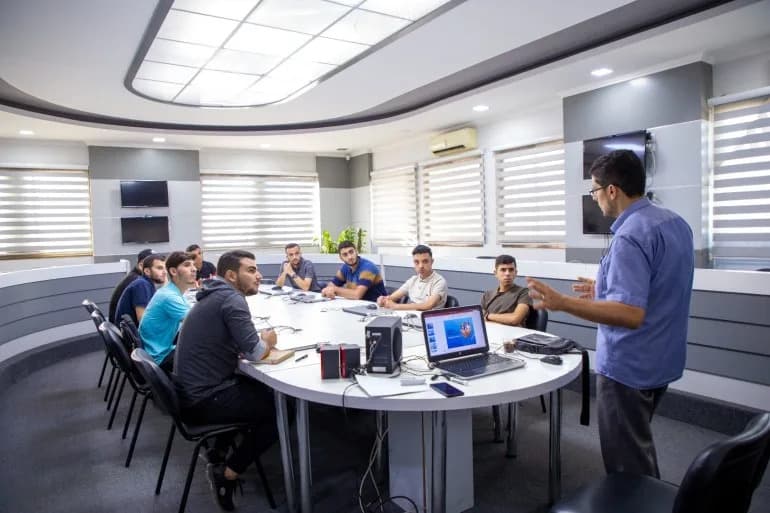
Children in Gaza are using tailored virtual reality therapy to experience calm, restorative environments that contrast with the devastation around them. Practitioners say these immersive sessions can speed psychological recovery, often achieving progress in five to seven VR sessions versus 10 to 12 conventional sessions. The programme is adapted for children with physical injuries and severe trauma, and aims to complement scarce psychosocial services across the Gaza Strip.
VR Headsets Offer Gaza's War-Affected Children Calmer Worlds — and Faster Healing

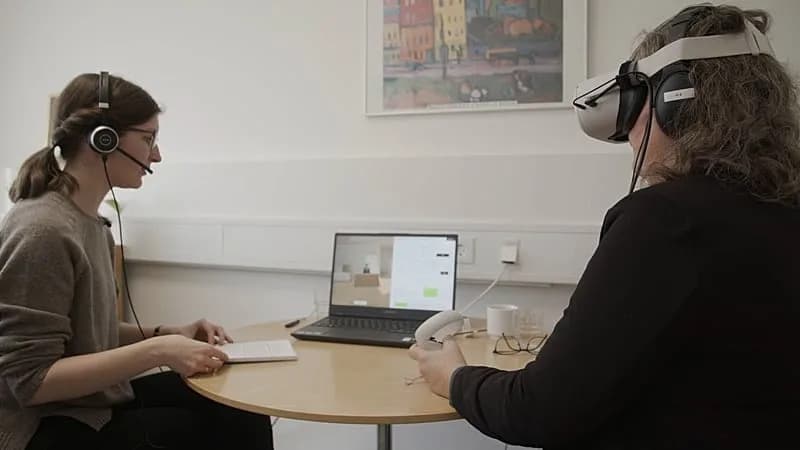
Children scarred by two years of war in Gaza are taking part in a virtual reality (VR) therapy programme that temporarily transports them away from daily danger into tranquil, restorative environments.
Inside a white tent on a sandy patch in Al-Zawayda, five boys — one in a wheelchair and the others on simple plastic seats — immersed themselves in vibrant virtual scenes: green gardens, quiet beaches and orderly towns. They turned their heads to follow birds, reached out toward imagined animals and smiled as they explored landscapes that stand in stark contrast to the destruction around them.
An operator gently fitted a blue TechMed Gaza headset to 15-year-old Salah Abu Rukab, who sustained a head injury during the conflict, and asked whether the image was clear as the straps were adjusted. 'We feel comfortable in it, we enjoy it, and through it we enter a garden, we enter spaces with animals and similar experiences,' Salah said. 'It’s all trees. Nothing but trees, grass and flowers.'
Therapeutic design, not just escape
Mental health supervisor Abdalla Abu Shamale emphasizes that the headsets are more than an escape: the VR environments are built with therapeutic, preventive and developmental goals in mind. Programmes are adapted for children with physical injuries and severe trauma, including war amputees, and are tailored to each child’s physical and psychological condition.
'Through programmers, we are able to design games with therapeutic, preventive and developmental goals that help prepare the child or enable them to cope and manage their life more effectively,' Abu Shamale said.
He reports that over a year of work the VR approach has produced very strong responses and clear improvements. According to practitioners running the programme, recovery and stabilization can occur more quickly with VR: roughly five to seven VR sessions compared with the 10 to 12 sessions often required in conventional therapy.
Broader mental health needs
A fragile ceasefire has held since October 10. Health agencies warn that conflict-related injuries and the persistent stresses of life in Gaza have created an enormous mental health burden. The World Health Organization highlights the heavy psychological toll of conflict-related injury and trauma, while UNICEF estimates that around one million children in the Gaza Strip need mental health and psychosocial support after prolonged conflict.
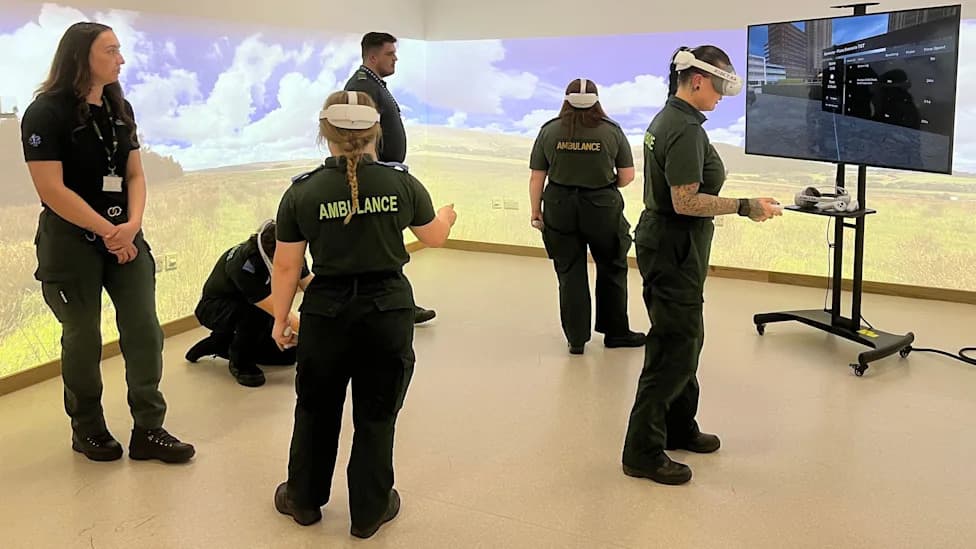
With traditional psychosocial services scarce in many areas, VR is being used as a complementary tool that can engage children, rebuild positive perceptions of safety and help therapists accelerate progress. Practitioners caution that VR is not a cure-all but a promising adjunct to established therapeutic approaches.
Note: Quotes and observations are from programme staff and participants directly involved in the VR sessions.
Help us improve.