Soldiers dissolved state institutions in Guinea-Bissau a day before official election results were due, after both leading candidates declared victory and turnout was reported at 65%. The junta, led by General Horta N'Tam, cites corruption and an alleged plot by politicians and drug traffickers as justification. The coup differs from recent West African takeovers — lacking a populist or anti-Western narrative — and has prompted ECOWAS and the African Union to suspend the country. Economically, it threatens cashew-dependent communities and projected growth, while a promised one-year transition looks unlikely without strong international guarantees.
Guinea-Bissau Coup — Timing Raises Troubling Questions About Motives and Consequences

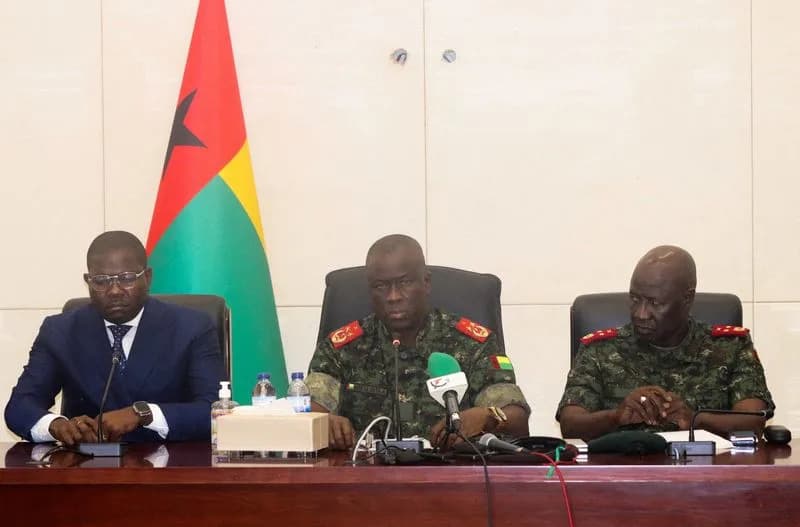
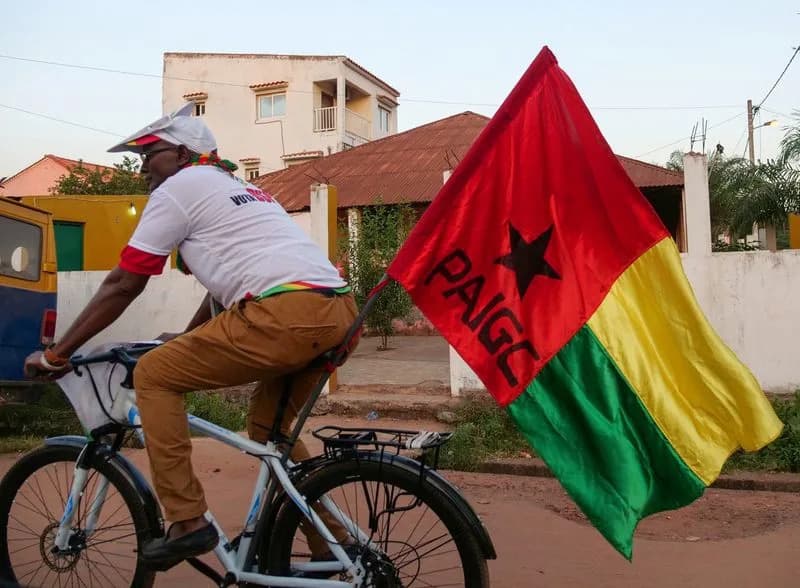
Soldiers in Guinea-Bissau dissolved state institutions days after a presidential vote and a day before official results were due, even though both leading candidates — incumbent Umaro Sissoco Embaló and challenger Fernando Dias — had already claimed victory following a reported 65% turnout. The junta said it moved to frustrate an alleged scheme by some politicians and drug traffickers to destabilize the country, but critics ask why the military could not have worked with the existing government instead of ousting it.
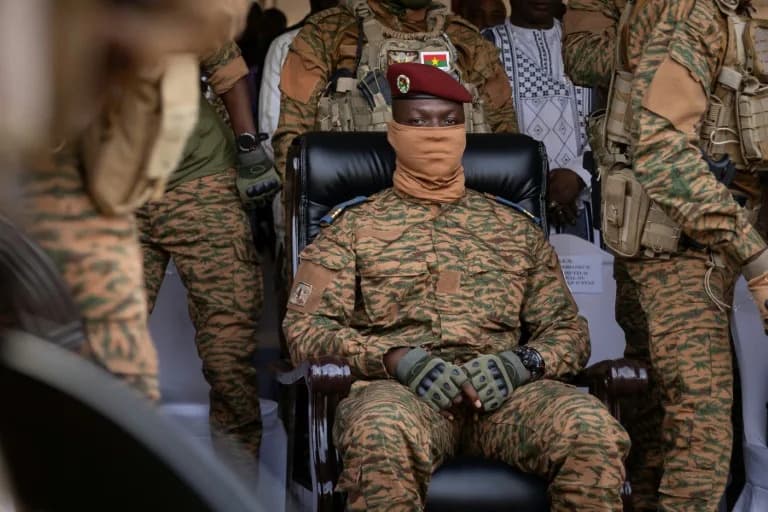
The country’s long-standing reputation as a narco-state, with corruption embedded among political and military elites, both created the conditions for and supplied a pretext for the takeover. At his swearing-in, the newly installed leader, General Horta N'Tam, made fighting corruption a central theme — a narrative that could be used to insulate the coup plotters from domestic criticism and international penalties.
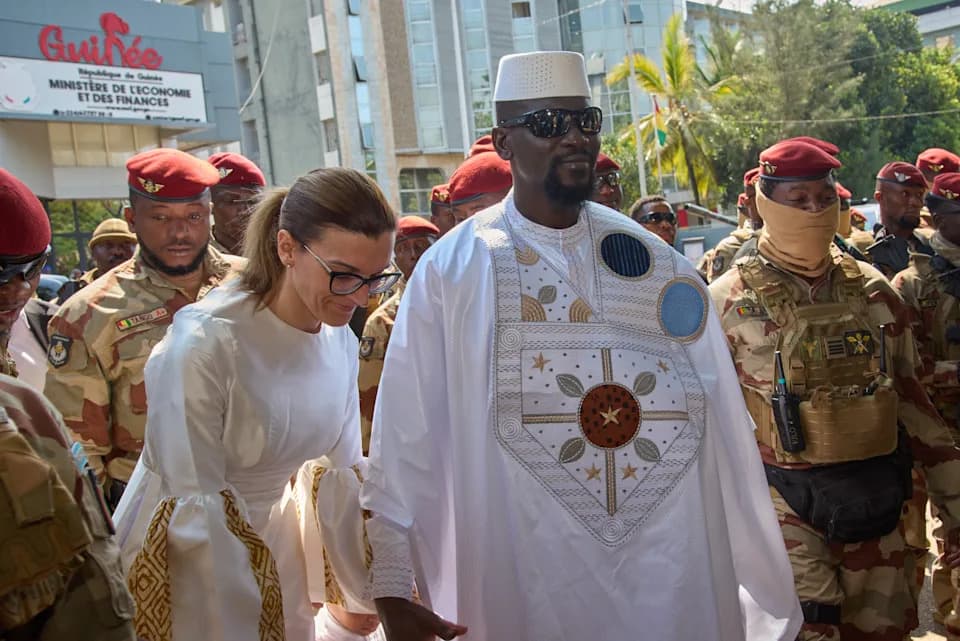
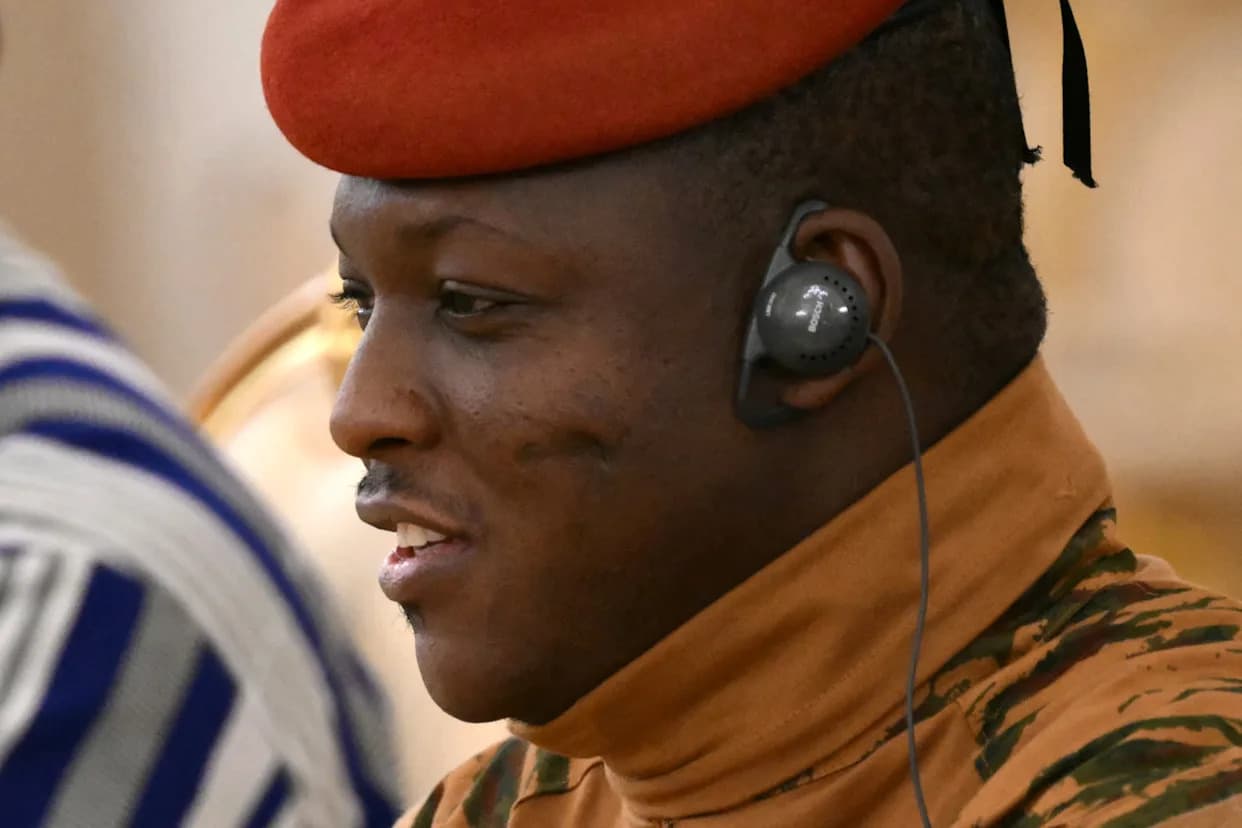
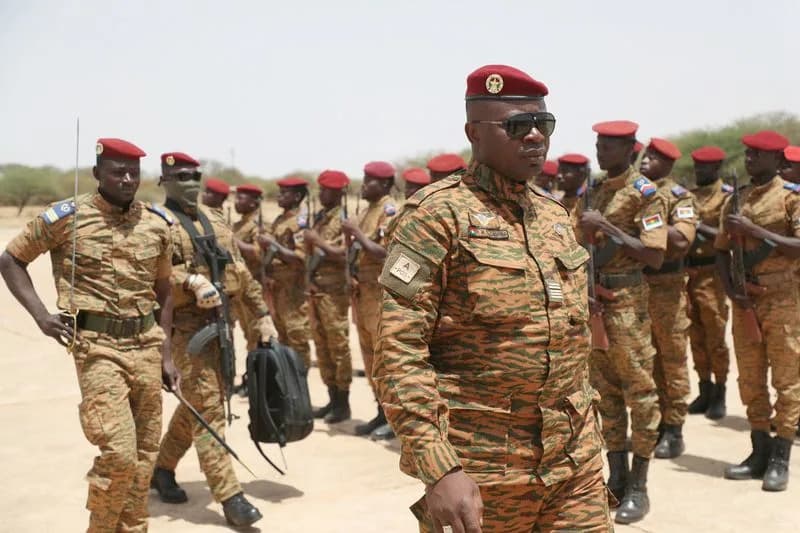
This coup, the fifth successful seizure of power since independence in 1974, breaks from the recent regional pattern seen in Burkina Faso, Mali and Niger. It lacks the populist storylines of those coups: there is no jihadist insurgency to rally support, no Western bases to expel and no anti-colonial rhetoric to mobilize crowds. There were no jubilant street celebrations, denying the junta an aura of clear popular legitimacy.
"Ceremonial coup," observed former Nigerian president Goodluck Jonathan, who led the West African Elders Forum observation mission — a description that implies possible collusion and raises questions about whose interests the takeover actually serves. General N'Tam previously headed the presidential guard.
Under Embaló’s five-year presidency, key institutions were weakened. He dissolved parliament in 2022 and again in 2023; yet regional leaders took no effective action. That permissive posture helped erode checks and balances in the years before the coup.
Both ECOWAS and the African Union have suspended Guinea-Bissau in response to the takeover. But these bodies tend to react to ruptures rather than continually monitor creeping constitutional manipulation, autocratic consolidation or the steady erosion of the rule of law between elections. Many leaders who should be sounding the alarm have themselves extended term limits or suppressed dissent at home, reducing the likelihood of collective preventive action.
The coup also threatens modest economic gains. The economy depends overwhelmingly on cashew exports, which sustain most households. Growth for 2025 had been projected at about 5.1%, and offshore oil exploration was under way — both vulnerable to political disruption. Instability can interrupt harvest and trading seasons, depress local incomes and deter investors; any sanctions or diplomatic isolation would harm ordinary citizens far more than entrenched elites.
The junta promises a one-year transition, but the record of neighbouring military regimes suggests a longer timeline is likely. Without credible external oversight, a transparent timetable for elections and a genuine return to civilian oversight, Guinea-Bissau faces a difficult and uncertain path back to constitutional rule.
What’s next: International and regional actors should attach clear benchmarks to any engagement and demand rapid restoration of civilian institutions. Domestic civic groups and independent observers must be allowed to operate freely to verify a legitimate and timely transition back to electoral politics.
Help us improve.