Burkina Faso’s military government has decreed the dissolution of all political parties suspended after the 2022 coups, transferring their assets to the state. The council of ministers approved the move amid an intensified crackdown on dissent and ongoing insurgency fighting. Interior Minister Emile Zerbo framed the decision as part of efforts to "rebuild the state," citing divisions caused by an overcrowded party system. The move coincides with the junta’s pivot away from France toward closer ties with Russia and regional alignment through the Alliance of Sahel States.
Burkina Faso Junta Dissolves All Political Parties and Transfers Their Assets to the State
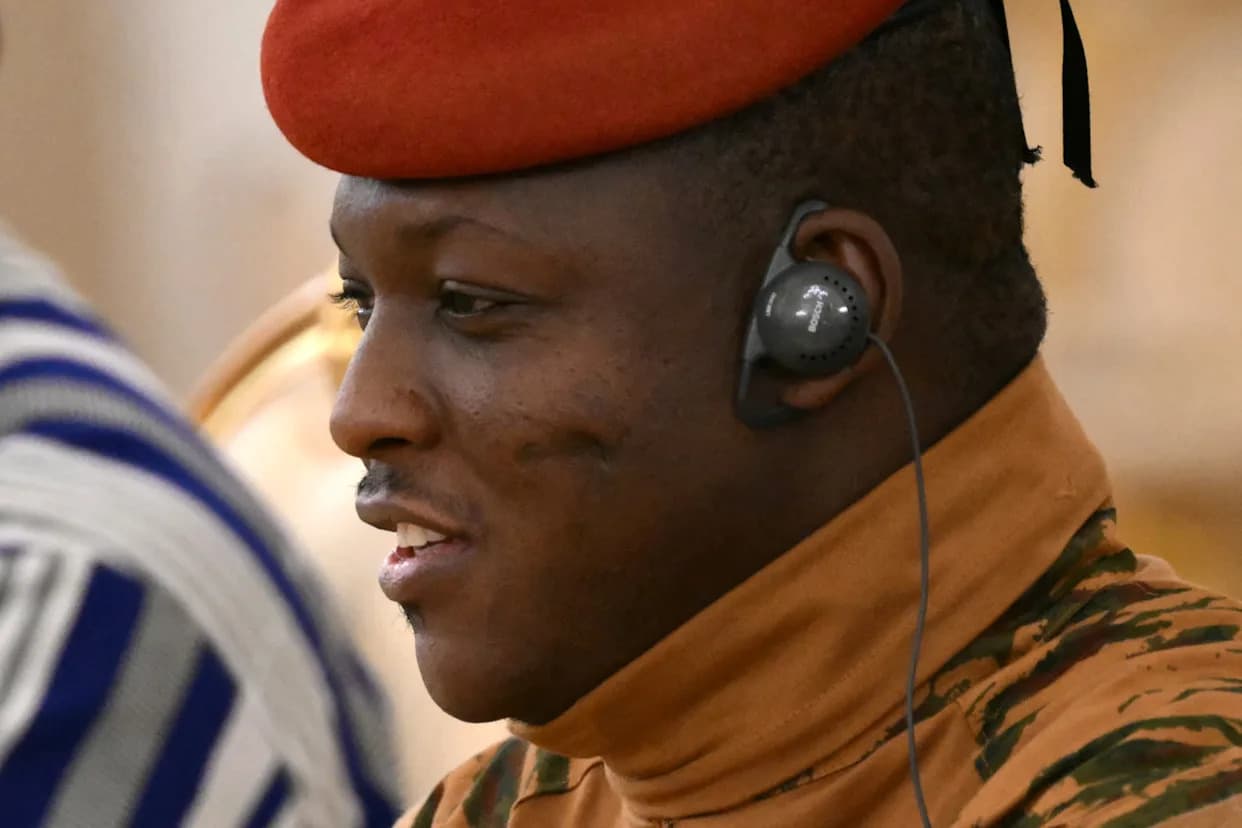
Burkina Faso's junta leader Captain Ibrahim Traore at a meeting with Russia's President Vladimir Putin in Moscow last year [File:Angelos Tzortzinis/Pool via Reuters]
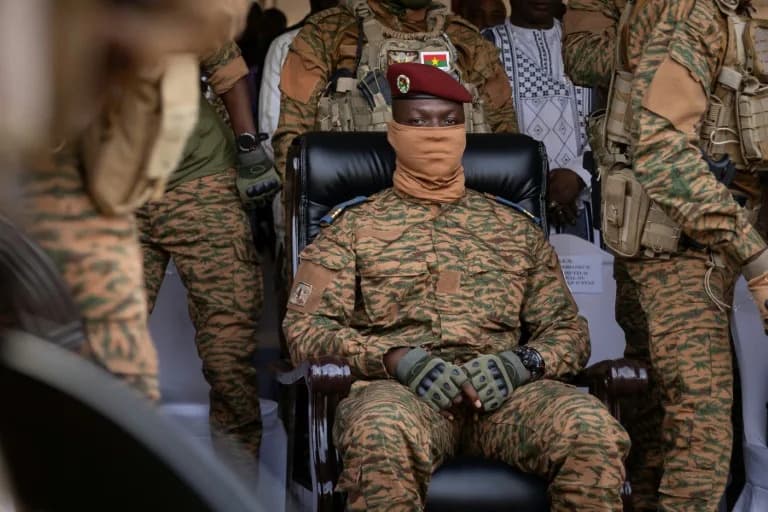
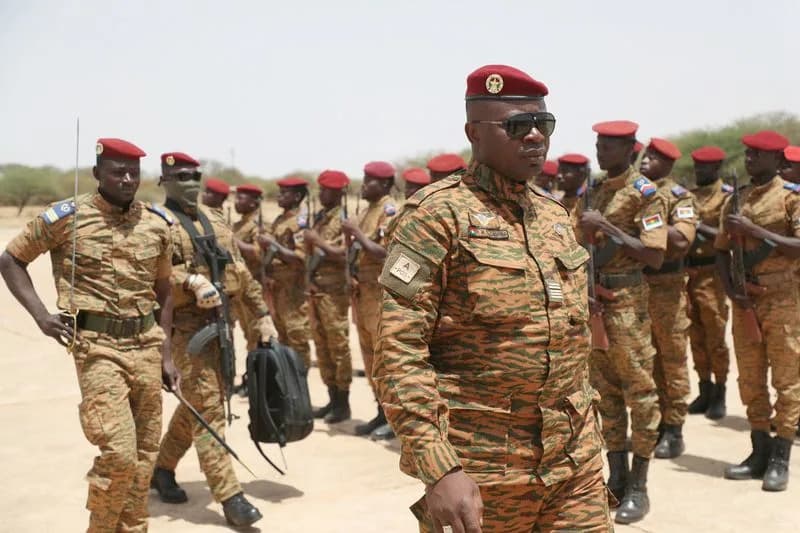
Burkina Faso’s military-led government has issued a decree formally dissolving all political parties that had been suspended following the coups in 2022. The council of ministers approved the measure on Thursday as the junta tightens control amid a wider crackdown on dissent and ongoing battles with Islamist insurgencies.
Interior Minister Emile Zerbo said the move is part of an effort to “rebuild the state” after what officials describe as widespread abuses and dysfunction within the multiparty system. A government review, he said, concluded the proliferation of parties had deepened divisions and weakened social cohesion.
The decree dissolves every registered political party and political formation affected by previous suspension orders and stipulates that their assets will be transferred to the state. Prior to the 2022 upheavals, Burkina Faso had more than 100 registered parties; 15 parties held seats in the national assembly after the 2020 general election.
Background
Captain Ibrahim Traoré seized power in September 2022, following an earlier military takeover the same year that removed President Roch Marc Kaboré. Since then the country’s military leadership has cut diplomatic and security ties with former colonial power France and sought closer security cooperation with Russia.
In 2024, authorities ordered internet service providers to block access to the websites and digital platforms of the BBC, Voice of America and Human Rights Watch as part of a broader clampdown on independent voices. Burkina Faso has also joined neighboring Mali and Niger — both governed by military juntas — in the Alliance of Sahel States (AES) to deepen economic and security cooperation.
Implications: The dissolution and asset seizure mark a decisive shift away from Burkina Faso’s multiparty framework and consolidate broad powers in the hands of the military government. Observers warn the measures risk further narrowing political space and undermining prospects for a return to democratic governance.
Help us improve.