The article surveys Republicans positioned to vie for the GOP nomination in 2028 as Donald Trump remains influential despite suggesting he may be barred from a third consecutive term. It profiles JD Vance as a leading Trump-aligned option and highlights Marco Rubio, Donald Trump Jr., Ted Cruz and Ron DeSantis as key figures to watch. A wider list of governors and senators who could shape the field is also provided.
Who Could Lead the GOP in 2028? Vance, Trump Jr., DeSantis and Other Contenders

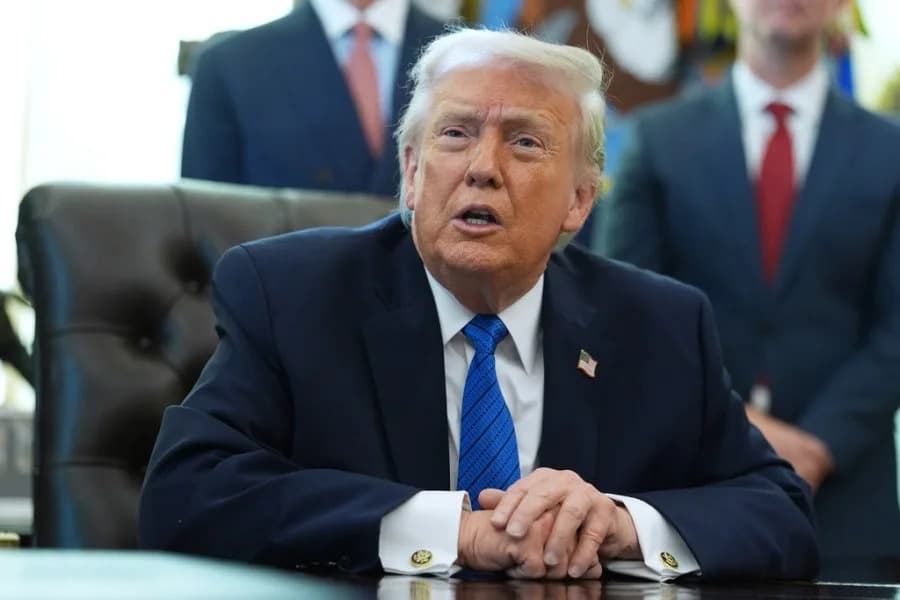
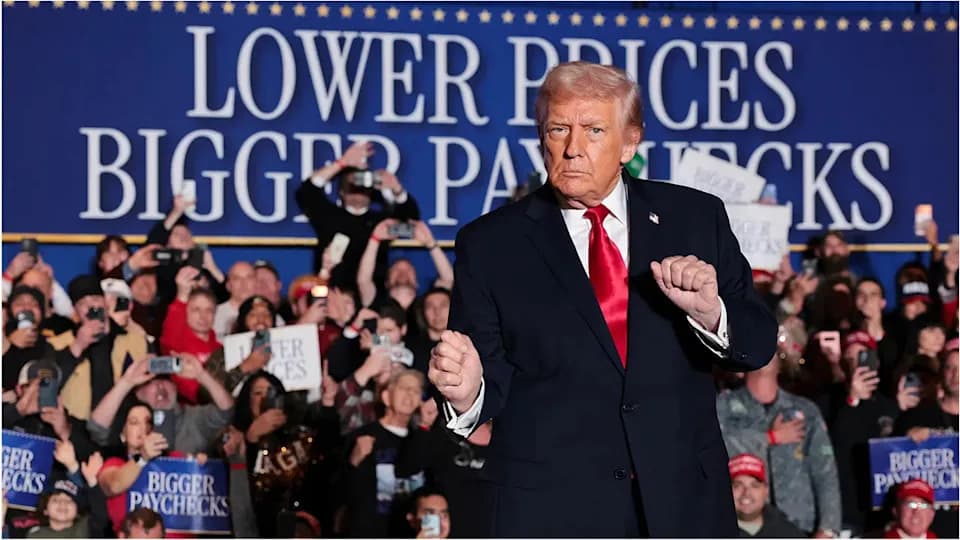
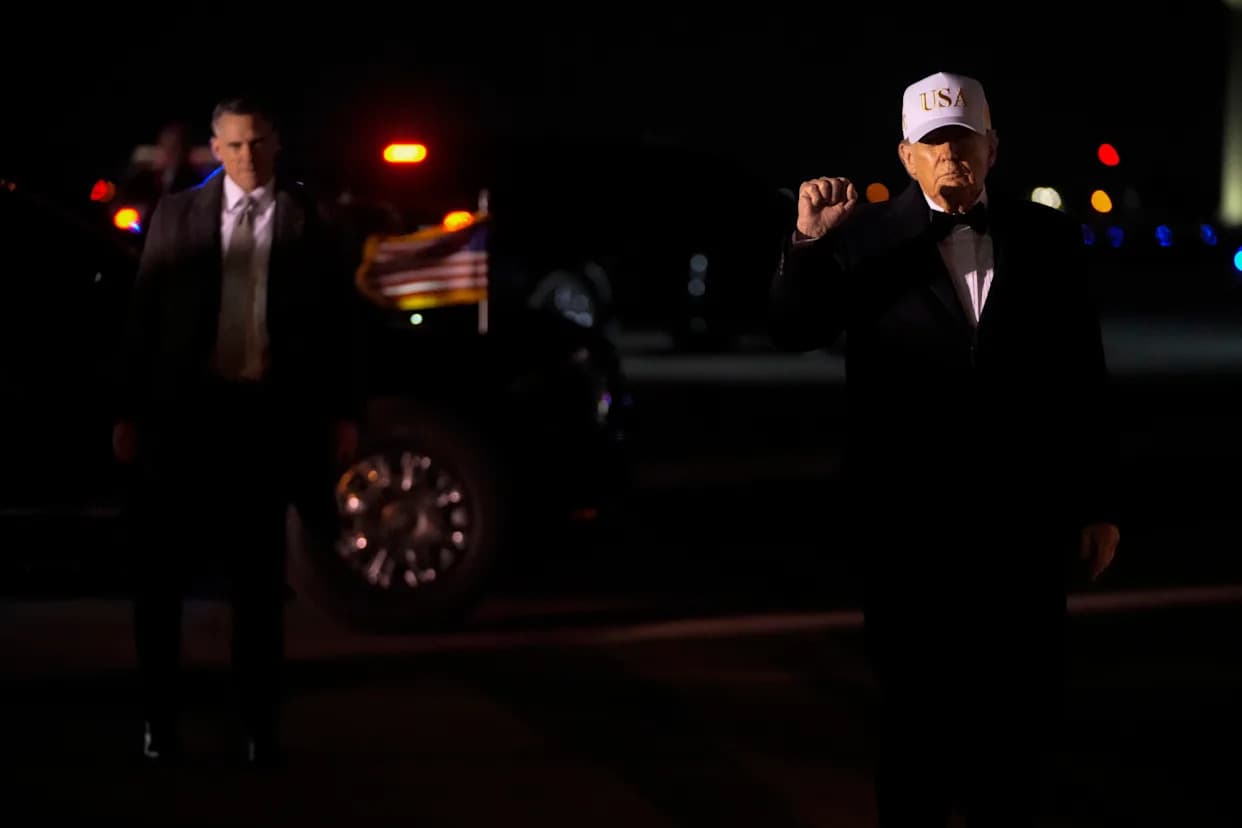
Donald Trump continues to joke about a 2028 White House run even as he acknowledges it may be "pretty clear" he is constitutionally barred from a third consecutive term. Whether provocation or positioning, his continued presence will shape the race for the Republican nomination and the party’s search for a post-Trump identity.
The landscape
The next Republican nominee will need to unite a party that has been reorganized around Trump-era politics while also appealing to voters who want a forward-looking alternative. Below are the candidates most commonly discussed as well-positioned for a 2028 campaign.
JD Vance
JD Vance, 41, the U.S. senator from Ohio and author of Hillbilly Elegy, is widely viewed as a leading Trump-aligned figure. Once a critic of Trump, Vance has moved firmly into the MAGA orbit, advocating economic populism, cultural conservatism and an "America First" posture. Strategists say he could emerge as an early frontrunner—especially if he receives high-profile endorsements—thanks to his appeal among nationalist, anti-elite and religiously minded voters.
Marco Rubio
Marco Rubio, the U.S. senator from Florida, has evolved from 2016 rival to a prominent ally of the Trump movement. Known for his focus on foreign policy, Rubio is often discussed as a potential bridge candidate who could appeal to establishment conservatives and hawkish voters. Within some GOP circles he is mentioned as a possible running mate or senior statesman in a future ticket.
Donald Trump Jr.
Donald Trump Jr., the president’s eldest son and a high-profile political surrogate, has no record in elected office but remains a powerful draw at rallies and on social media. He has repeatedly said he has "zero interest" in running in 2028, while not completely ruling out future options. His name recognition and alignment with the base mean he will remain part of the conversation—and a "Trump once removed" option could appeal to voters seeking continuity.
Ted Cruz
Ted Cruz, senator from Texas, remains a sharp-edged conservative voice with deep support among libertarian and evangelical constituencies. He has publicly pushed back on fractures within the right and defended hawkish foreign-policy stances. Cruz’s ideological clarity, media presence and previous presidential campaign experience leave him positioned to mount another run if he chooses.
Ron DeSantis
Ron DeSantis, governor of Florida and term-limited in 2026, is widely seen as preparing to re-enter national politics after his 2024 presidential bid. Since that campaign he has emphasized policies like congressional term limits and has at times realigned toward parts of the broader Republican agenda. While his national standing has ebbed since 2024, DeSantis still retains a core base that views him as a disciplined, policy-focused alternative.
Other Republicans to watch
- Marjorie Taylor Greene — U.S. Representative from Georgia and a loud grassroots presence in the party.
- Kristi Noem — former governor of South Dakota and prominent conservative voice.
- Sarah Huckabee Sanders — governor of Arkansas, who has cultivated a national profile.
- Glenn Youngkin — governor of Virginia, seen as a pragmatic, suburban-oriented Republican.
- Brian Kemp — governor of Georgia with an emphasis on governance and electability in the Sun Belt.
- Tim Scott — U.S. senator from South Carolina with strong appeal among evangelical and Black conservative voters.
- Nikki Haley — former U.S. ambassador to the U.N. and former governor of South Carolina, a frequent contender for the center-right lane.
- Spencer Cox — governor of Utah, representing a more moderate, governance-focused approach.
Much can change between now and 2028. Endorsements, shifting coalitions, national events and the continued influence of Donald Trump will all reshape the field. For now, the contest appears likely to feature a mix of Trump-aligned populists, establishment figures, and policy-oriented governors vying to define the GOP’s next chapter.
Help us improve.