Dozens of Tunisian political figures, including critics of President Kais Saied, were sentenced on appeal to prison terms ranging from five to 45 years after being convicted on charges of "conspiracy against state security" and "belonging to a terrorist group." Rights groups have denounced the trial as politically motivated, and the rulings come as European institutions press for the release of detained government critics.
Key developments
An official court source said the Court of Appeal in Tunis issued a final ruling early Friday in the case commonly described as a "conspiracy against the state." Nearly 40 defendants had faced earlier sentences in April that in some cases reached up to 66 years; the appeal decisions reduced some terms while maintaining convictions on the same charges.
European reaction and Sonia Dahmani
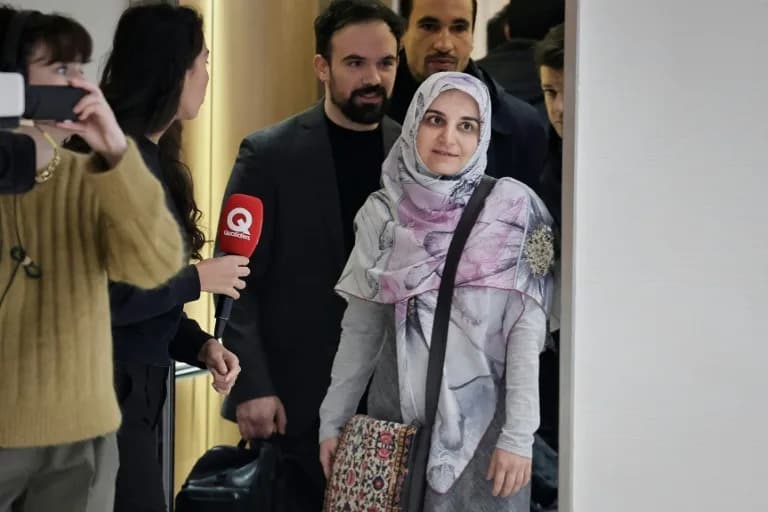
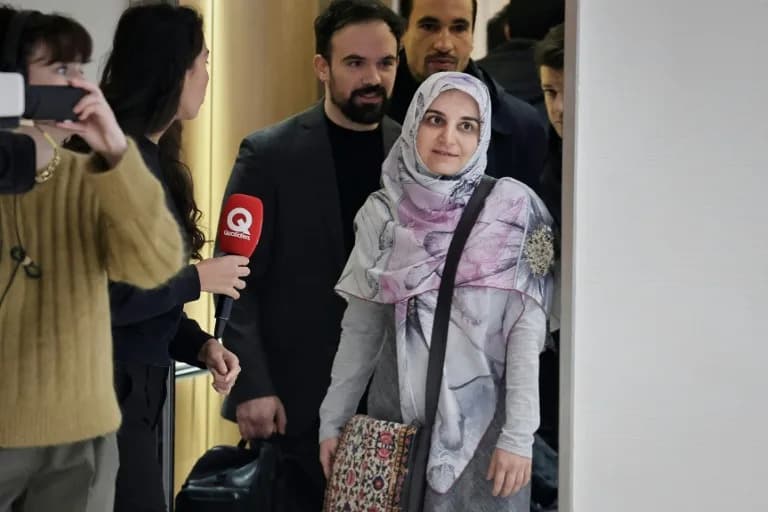
The European Parliament voted overwhelmingly for a resolution calling for the release of detained critics, including lawyer and Saied opponent Sonia Dahmani. Dahmani, 60, was freed from custody on Thursday but remains under judicial supervision. She had been detained in May 2024 by men wearing masks and was convicted in several cases that authorities say relate to remarks made on radio and television, including accusations of racism.
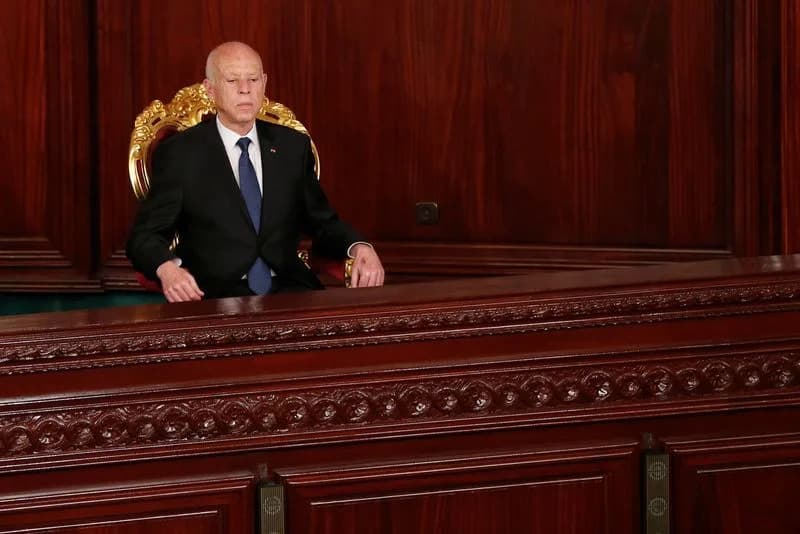
President Kais Saied called the European Parliament resolution a "blatant interference" in Tunisia’s affairs and said foreign institutions could "learn lessons from us on rights and freedoms." He had also summoned the EU ambassador earlier this week, accusing the mission of breaching diplomatic norms.
Public response
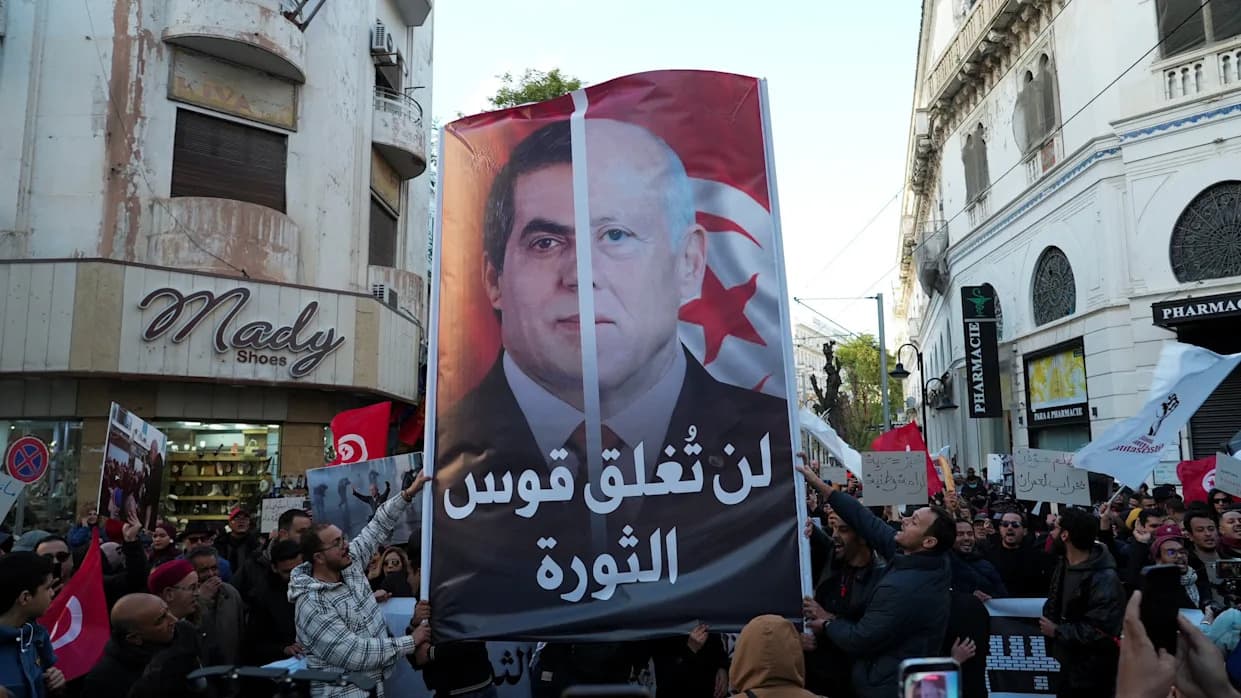
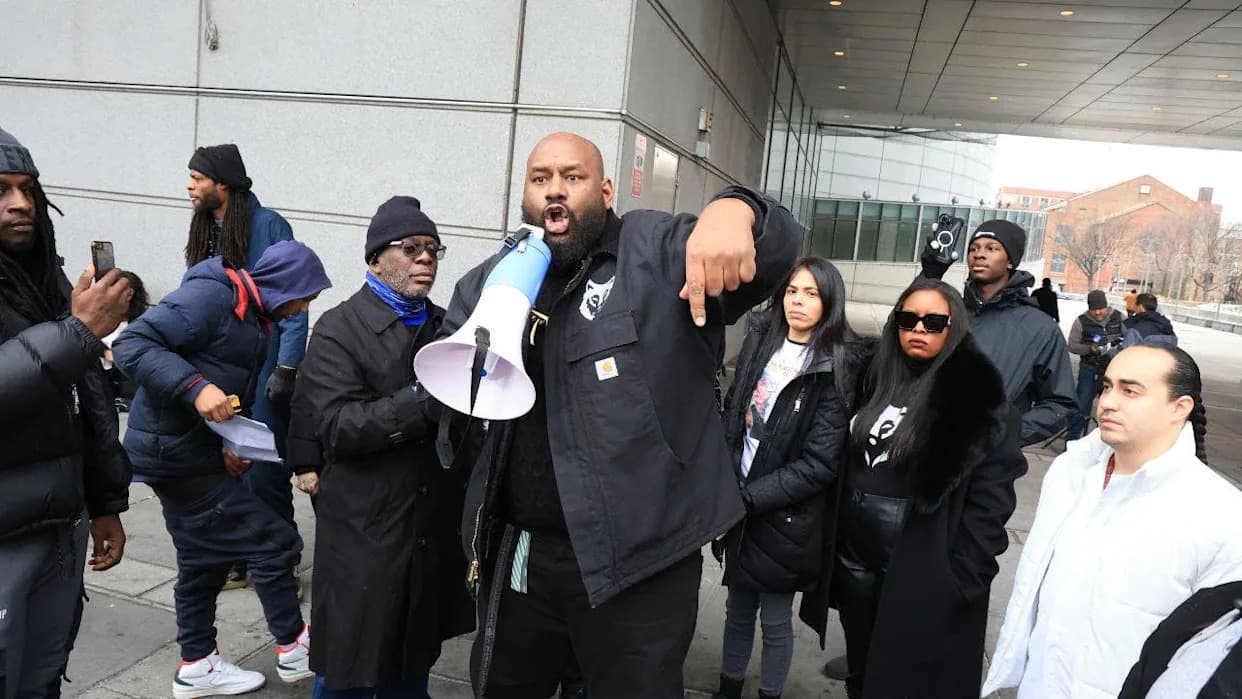
Thousands protested in the capital, Tunis, to denounce what they describe as an erosion of democratic freedoms since Saied's consolidation of power in 2021. Organizers said about 2,000 people, many dressed in black and carrying whistles and red ribbons, marched through the city chanting slogans such as "the people want the fall of the regime" and "no fear, no terror, the street belongs to the people."
Legal context and international concerns
Human rights organizations have warned of a steady rollback of civil and political liberties since Saied's power grab in 2021. The European resolution also urged repeal of a 2022 law that criminalizes "spreading false news," saying it has been used to prosecute expressions of opinion and curb freedoms. The resolution further demanded the release of "all those detained for exercising their right to freedom of expression, including political prisoners and human rights defenders" in Tunisia.
The developments mark a deepening rift between Tunisian authorities and international bodies over the handling of dissent and judicial processes, while domestic protests underscore continuing public unease over the country's political direction.