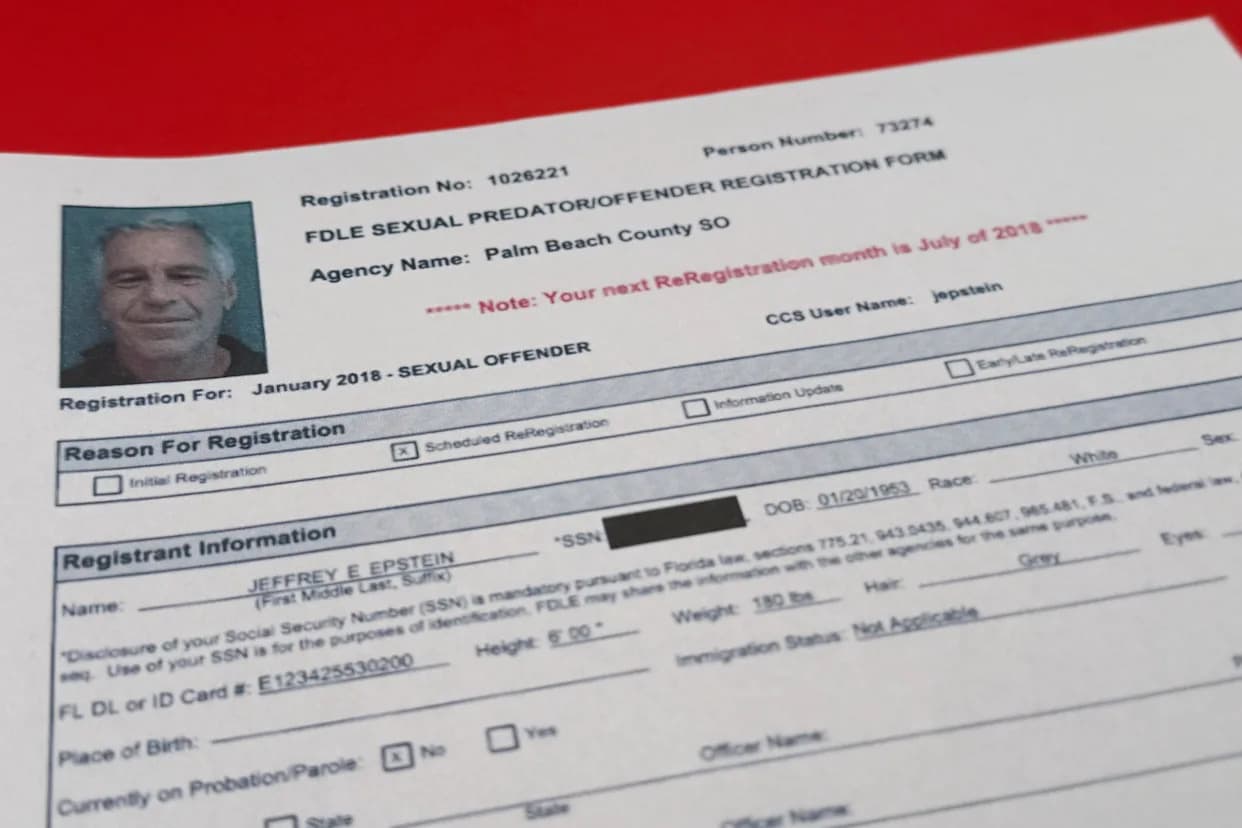
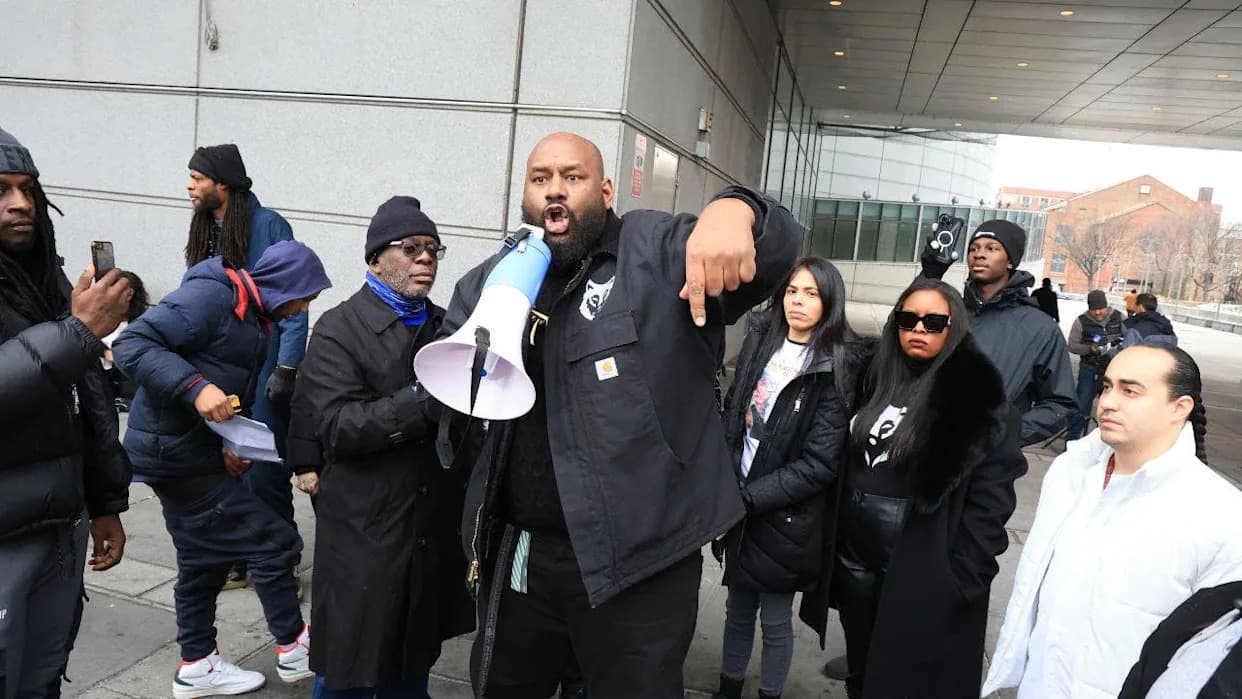
Judge Richard Berman has ordered the Department of Justice to explain how it will protect the identities of Jeffrey Epstein’s alleged victims after lawyers said dozens of names were left unredacted in documents released to Congress. Attorneys Bradley Edwards and Brittany Henderson urged the DOJ to redact all victims’ names in future releases and requested a private briefing to provide a confidential list of more than 300 clients. The public posting of over 20,000 files has caused panic among survivors, who reported being approached by reporters and identified in at least one DOJ document that named minors and protected witnesses.
Judge Orders DOJ to Explain How It Will Protect Epstein Victims After Names Appeared in Released Files

U.S. District Judge Richard Berman has asked the Department of Justice to detail how it will protect the identities of Jeffrey Epstein’s alleged victims after attorneys said dozens of names were left unredacted in documents released to Congress, prompting what lawyers described as "widespread panic."
On Wednesday night, Judge Berman requested a precise inventory of the materials the government plans to disclose and a description of the steps it will take to preserve victims' privacy, including proposed redactions. He attached a letter from attorneys Bradley Edwards and Brittany Henderson, who represent hundreds of survivors and who urged strict safeguards in future releases.
Edwards and Henderson told the court that the House Oversight Committee's public posting of more than 20,000 documents has alarmed survivors and created new safety concerns. The lawyers requested that the DOJ redact all victims' names in any materials provided to Congress or made public and asked for a private briefing so they could supply a confidential list of more than 300 clients to guard against further disclosures.
"Transparency cannot come at the expense of the privacy, safety, and protection of sexual abuse and sex trafficking victims," the attorneys wrote.
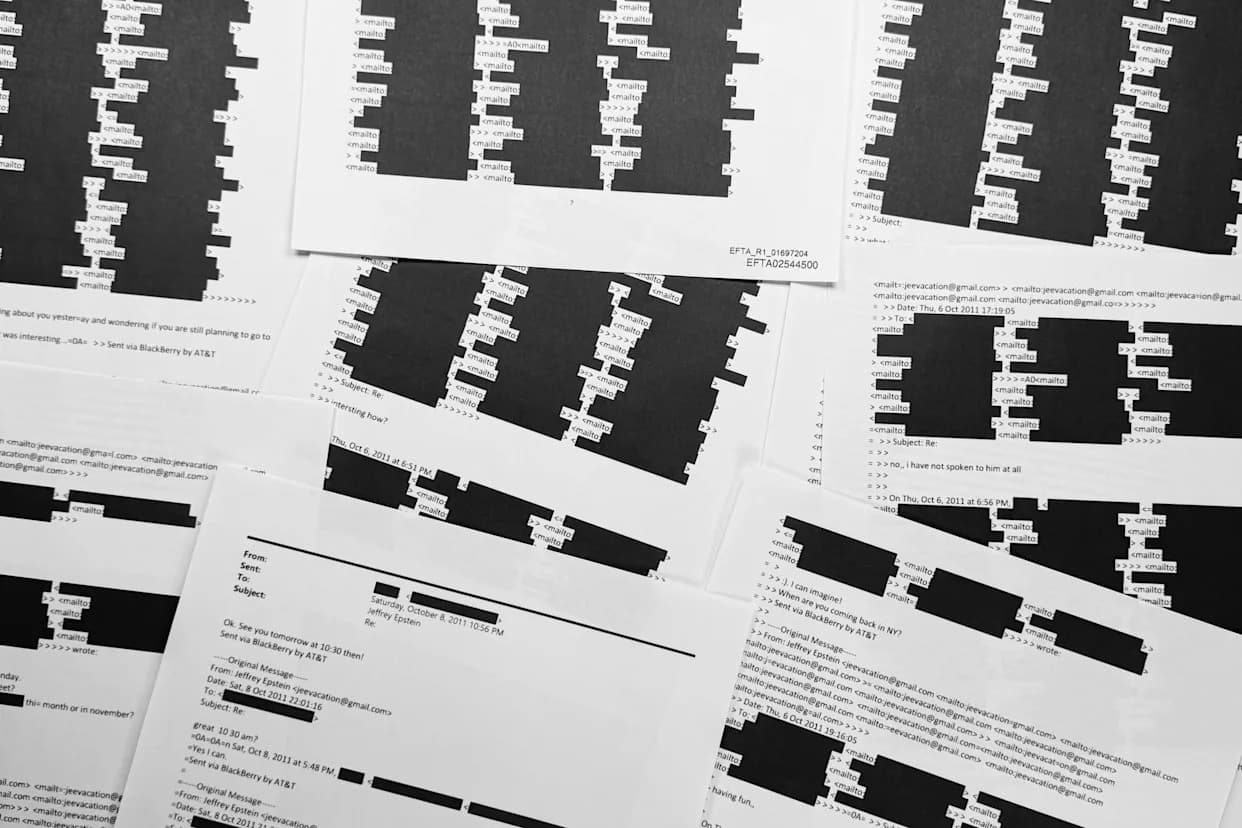
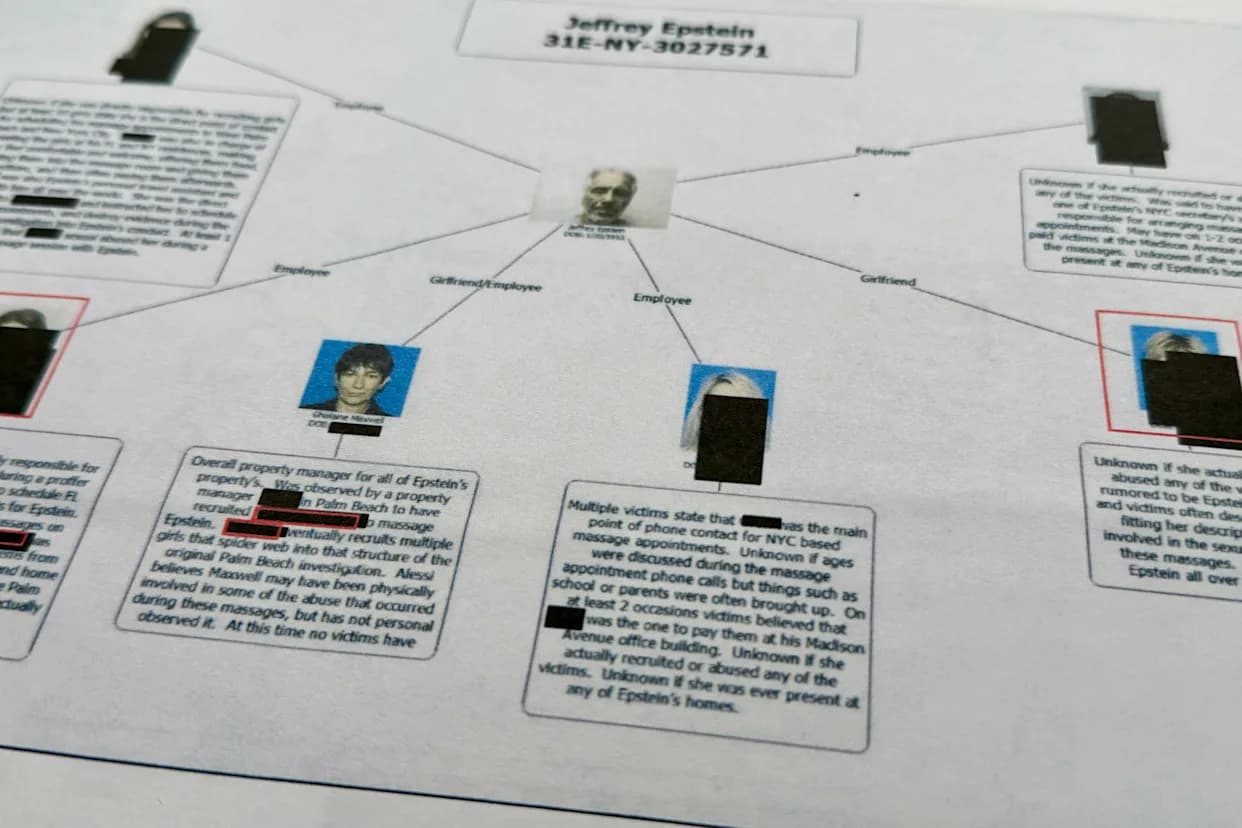
According to the filing, dozens of victims' names appeared unredacted in a cache of Justice Department documents and emails released this month. The lawyers point to one document that listed the names of "at least 28 victims," including individuals who were minors at the time of the alleged abuse and others who had been granted special protections because of serious safety concerns.
The filing includes accounts from survivors who say publication of their names has put them at risk and caused severe emotional distress. Several reported being approached by reporters in public; one said she was confronted while standing with her 9-year-old son. Some survivors said they fear their names were exposed intentionally when thousands of unredacted files were provided to Congress earlier this year.
The attorneys also noted that Epstein's estate failed to redact some names, which they described as likely inadvertent, and accused the Justice Department of creating a "perpetual distraction" by releasing grand jury materials connected to Epstein associate Ghislaine Maxwell that they say reveal little substantive information while risking victims' privacy.
Judge Berman oversaw the government's 2019 trafficking case against Epstein. Epstein died in custody in 2019 while awaiting trial.
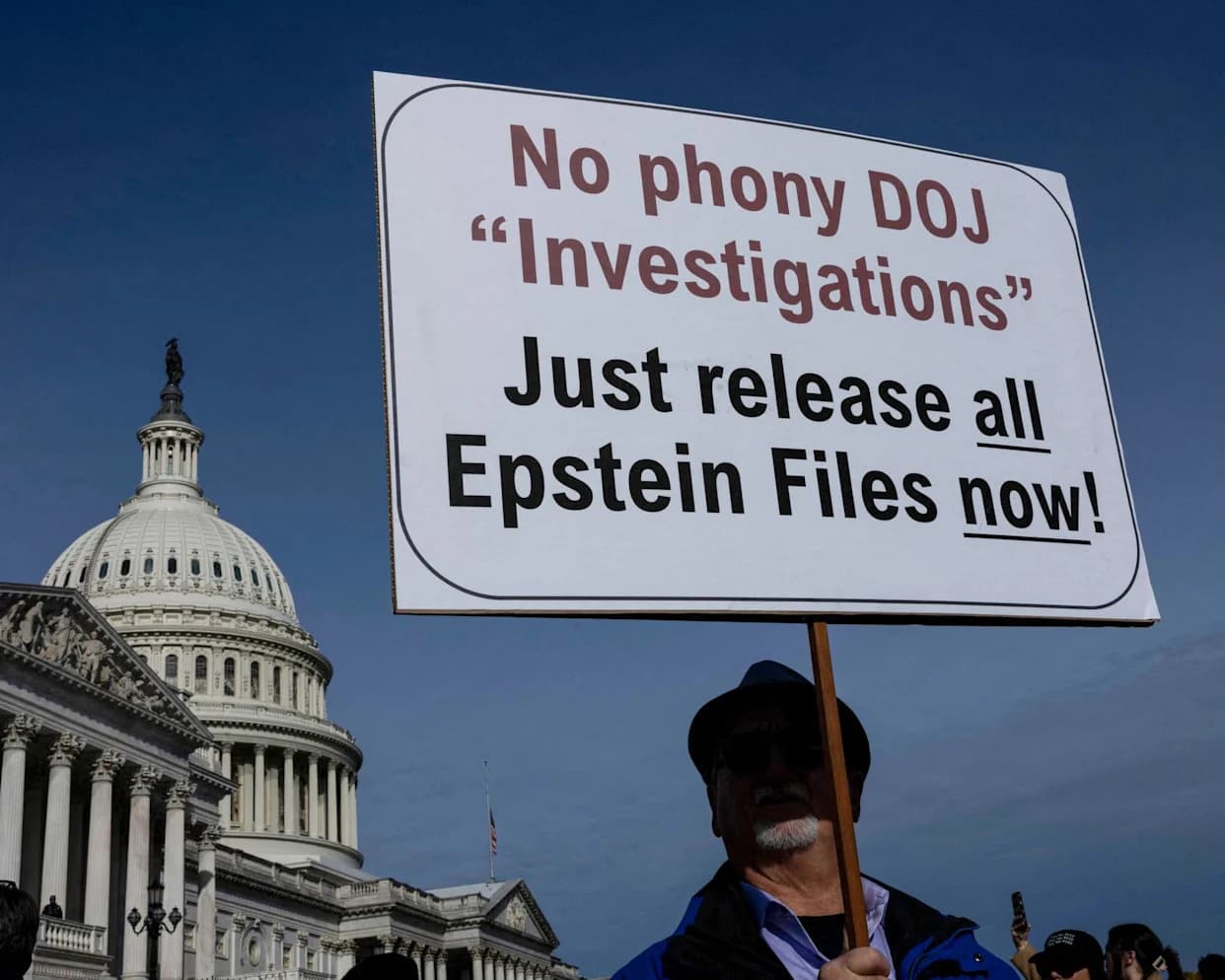
The dispute over releases follows legislation directing the Justice Department to disclose unclassified records tied to Epstein while permitting redactions to protect ongoing investigations. It remains unclear when additional records will be released and what steps the DOJ will take to prevent further exposure of victims' identities.
The Justice Department did not immediately respond to a request for comment on the court filing.
Help us improve.