Lithuanian authorities say organised launches of cigarette‑filled balloons from Belarus—and possibly Kaliningrad—have forced Vilnius airport to close nine times since October. Each balloon can reach about 26,000 feet, carry up to 50kg, and often contains roughly £3,000 of contraband; at least 550 have been intercepted in the past year. Officials warn the launches are testing NATO reaction times, exploiting deniability, and could be adapted to carry surveillance or incendiary devices. Lithuania has authorised shooting down balloons when safe, requested NATO hybrid support, and plans tougher sanctions on Minsk.
Balloon Swarms: A Low‑Cost Tool in Moscow’s Hybrid Campaign Against NATO’s Eastern Flank

Under cover of night, groups of smugglers attach crates of contraband cigarettes—each worth roughly £3,000—to large balloons equipped with GPS trackers. Launched from Belarus and reportedly from Russia’s Kaliningrad exclave, the balloons drift across the border into Lithuania and, in recent days, have reached neighbouring Latvia.
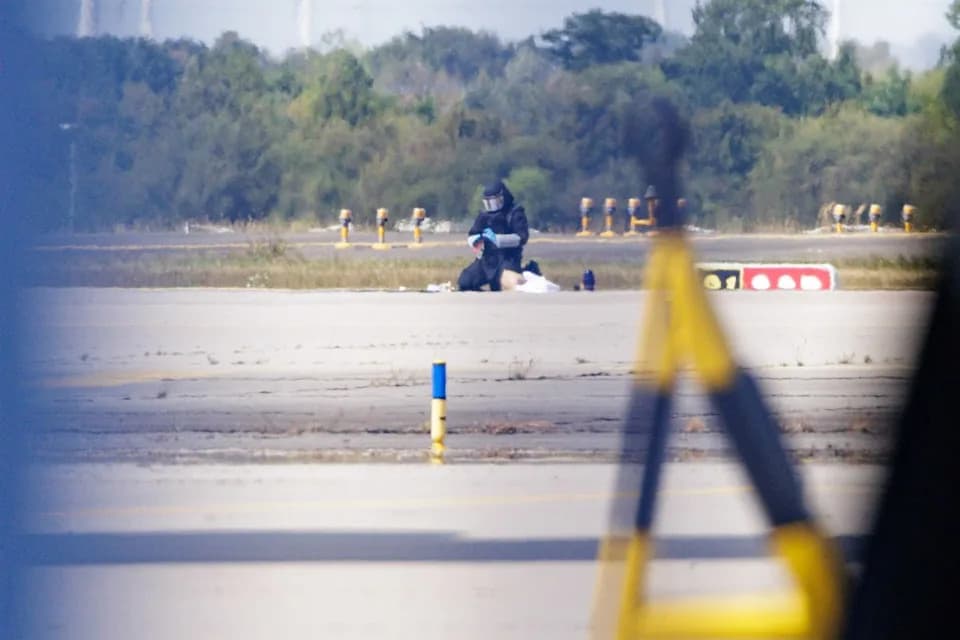
Vilnius officials say the launches are more than petty smuggling: they view them as part of a broader, state‑tolerated hybrid campaign aimed at testing and disrupting NATO’s eastern defences. Since October, the Baltic region’s second‑largest airport in Vilnius has been forced to close nine times because of balloon swarms. Lithuanian authorities report intercepting at least 550 balloons over the past year, though the true number of launches is likely higher; Baltic outlet Belsat reported that only around 28% of the balloons are brought down.
Why these balloons matter
The devices can ascend to about 26,000 feet—often above the effective engagement range of many drones and small arms—and can carry payloads weighing up to 50kg. Even when payloads are limited to cigarettes, falling cargo can injure or kill people on the ground. Experts warn the same delivery method could be adapted to carry surveillance gear, incendiary materials or explosives.
Testing reaction times and exploiting deniability
Lithuanian security officials say the tactic’s appeal to its orchestrators lies in its low cost and deniability. Small criminal groups can be presented as independent actors, allowing Minsk and Moscow to obscure state responsibility. Each successful crossing provides practical data on reaction times, air‑defence responses and other gaps along NATO’s eastern edge.
“You can describe it as Moscow‑designed and Minsk‑implemented,” said Eitvydas Bajarūnas, Lithuania’s former ambassador to the UK and now a senior fellow at the security think tank CEPA. “These launches are testing NATO’s response times and mapping vulnerabilities.”
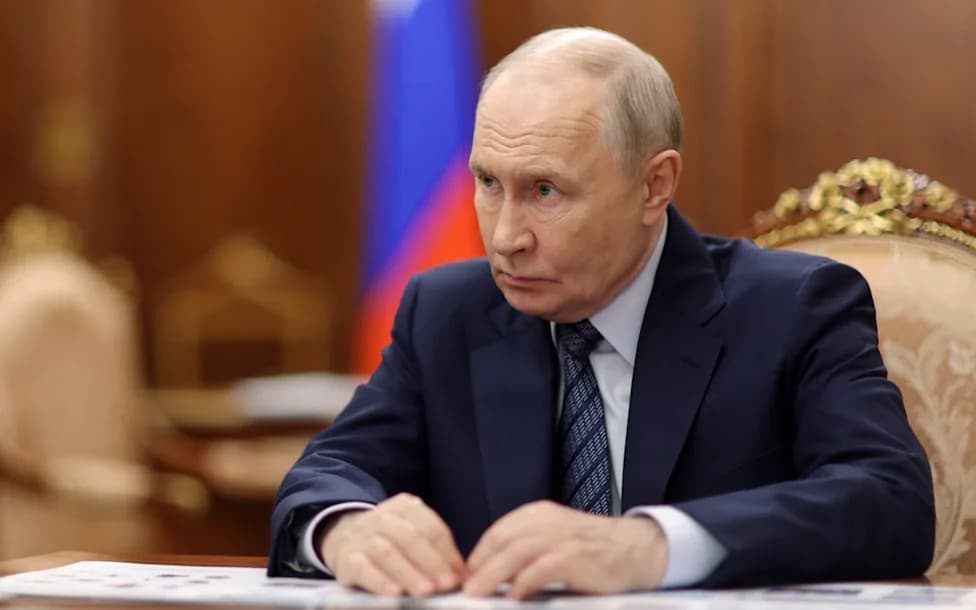
Analysts also note potential domestic and strategic payoffs for Belarusian president Alexander Lukashenko: repeated disruptions allow him to demonstrate leverage over neighbouring states and to cast himself as a bulwark of internal order at home.
Responses and risks
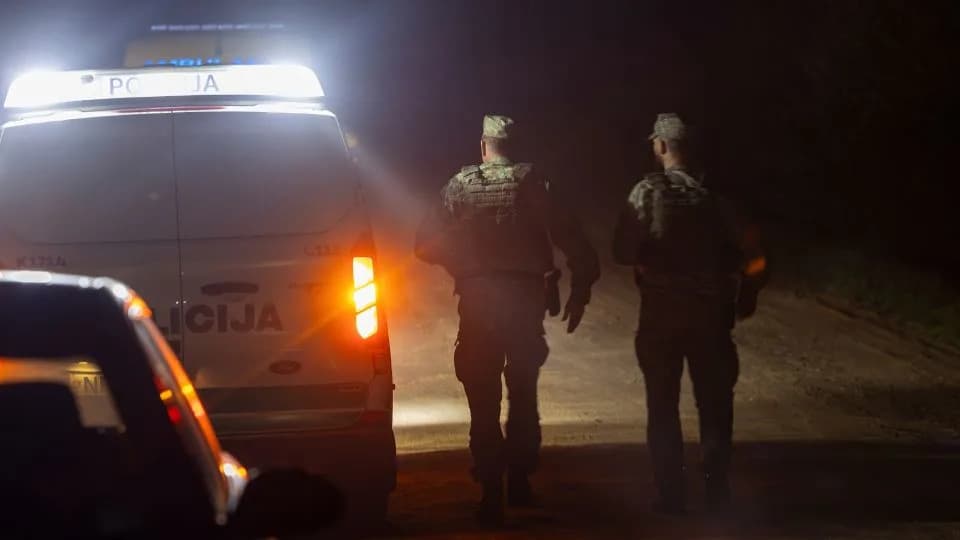
Lithuania has authorised border guards to shoot down balloons when it can be done safely, and has previously closed its border with Belarus in response to swarms. Vilnius has requested deployment of NATO Hybrid Support Teams for expert advice and is preparing tougher sanctions against Minsk. Officials caution that the campaign is unfolding within the wider context of Russia’s war against Ukraine and represents a security challenge for the alliance.
Security experts warn the tactic is unlikely to disappear even if a negotiated settlement is reached in Ukraine; a weak peace deal could embolden further hybrid operations. Baltic states are increasingly concerned that low‑cost, deniable tactics like balloon launches form part of a broader toolkit that may be used to probe NATO’s will and capabilities.
Historical echoes and concluding note
The episode evokes Cold War imagery—from the US Project Moby Dick balloon operations of the 1950s to cultural touchstones such as the 1983 song “99 Red Balloons.” It also illustrates how modern conflict can adopt unexpected forms: low‑technology methods, when used strategically, can produce outsized disruption and intelligence value.
As Lithuania and its allies work to counter the incursions, officials urge NATO to adapt to low‑cost, deniable threats as well as to traditional military challenges.
Help us improve.