Sonia Dahmani, a prominent Tunisian lawyer and media commentator, was released from Manouba prison after serving roughly 18 months for television remarks about migrants that a court said insulted the state. Her lawyer said she benefited from a procedure allowing inmates to apply for release after serving half their sentence. Rights groups say her case highlights a broader crackdown on journalists, lawyers and opposition figures since President Kais Saied's 2021 consolidation of power.
Tunisia Frees Prominent Lawyer Sonia Dahmani After 18 Months — Rights Groups Decry Crackdown

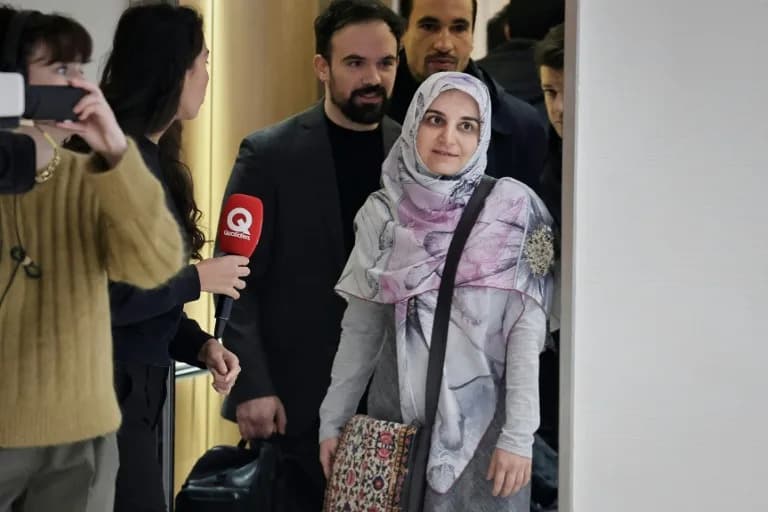
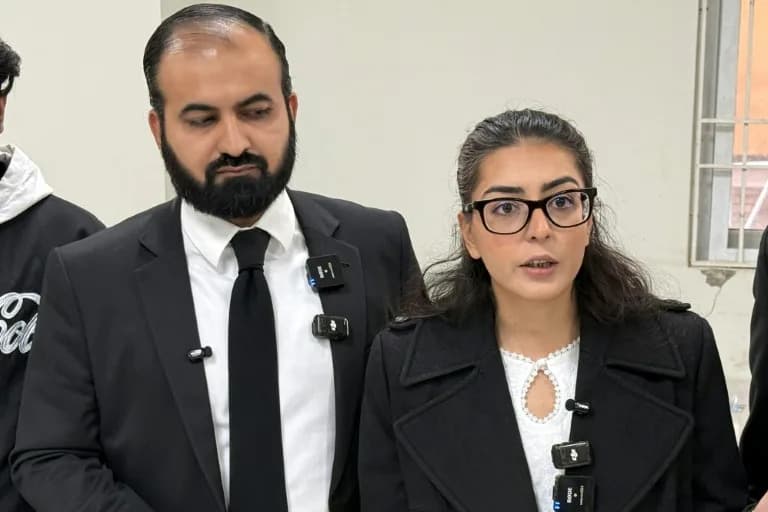
Sonia Dahmani, a prominent Tunisian lawyer and regular media commentator, was released from a prison in Manouba on Friday after serving about 18 months behind bars.
Dahmani was convicted for remarks made during a television interview about undocumented African refugees and migrants in Tunisia. When asked whether such migrants might try to stay and "conquer" Tunisia, she responded: "What kind of extraordinary country are we talking about? The one that half of its youth want to leave?" A court concluded the comments insulted the state and amounted to spreading false information intended to harm Tunisia; critics contend the prosecution was politically motivated.
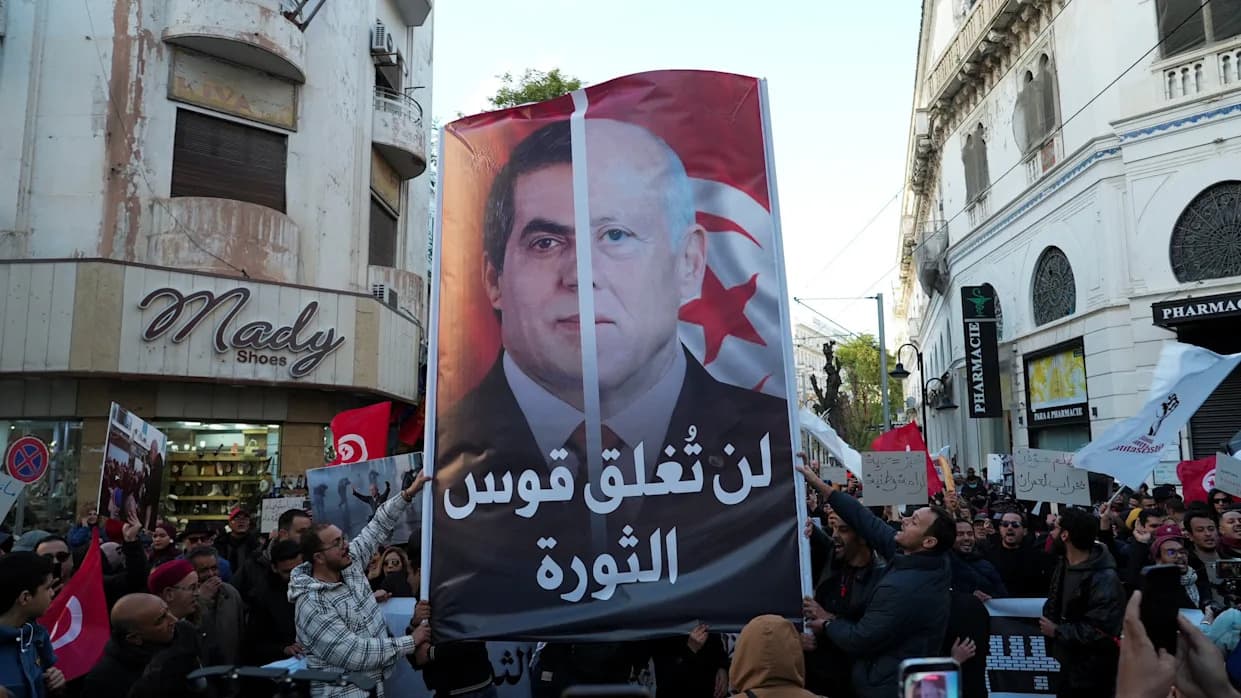
Dozens of family members, colleagues and activists gathered to greet her release, chanting, "The police state's era of repression is over." Speaking to reporters as she left, Dahmani said: "I hope this is the end of the nightmare for me and all the other prisoners."
Release mechanism: Dahmani's lawyer, Sami Ben Ghazi, said the justice minister issued a release order under a procedure that allows inmates to request release after serving half of their sentence.
Context: a broader squeeze on dissent
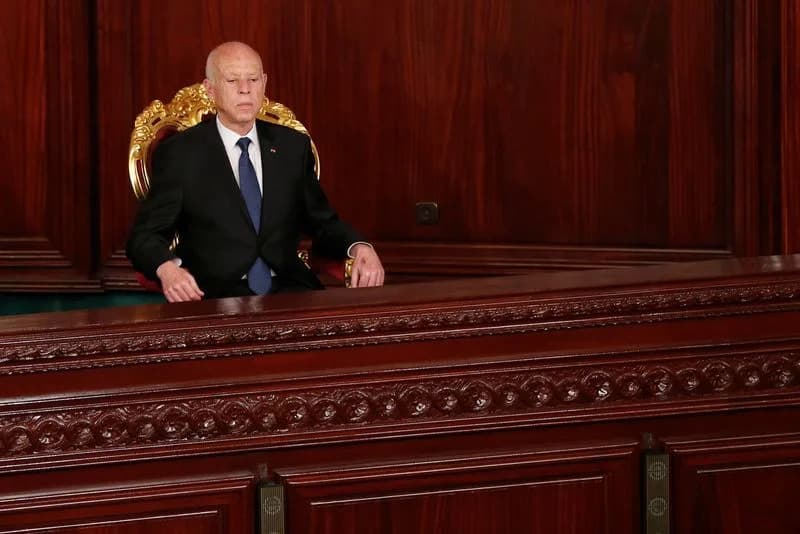
Rights groups and journalists' associations say Dahmani's imprisonment illustrates a broader clampdown on dissent since President Kais Saied's consolidation of power in July 2021, when he suspended parliament and began ruling by decree. Many of the powers he assumed were later enshrined in a new constitution ratified in a widely boycotted 2022 referendum, and authorities enacted a strict "fake news" law that year under which media figures, lawyers and critics have been prosecuted.
Amnesty International has warned that measures against civil society have reached critical levels, citing arbitrary arrests, asset freezes, banking restrictions and administrative suspensions affecting numerous NGOs. Human Rights Watch reports that more than 50 people — including politicians, lawyers, journalists and activists — have faced arbitrary arrest or prosecution since late 2022 for exercising rights to free expression, assembly and political activity.
The campaign initially targeted the Ennahdha party. Its leader, former parliamentary speaker Rached Ghannouchi, has received several prison sentences that his supporters say are politically motivated. Even some of President Saied's former allies have been affected: his former chief of staff, Nadia Akacha, was sentenced in absentia to 35 years in July.
Reactions: The National Syndicate of Tunisian Journalists welcomed Dahmani's release and called for the freedom of other detained journalists. International and local rights organizations continue to urge Tunisian authorities to respect freedom of expression, ensure fair judicial processes and halt measures that target civil society.
President Saied maintains his actions are lawful and aimed at restoring order and tackling corruption; opponents and rights groups argue those steps have weakened democratic checks and silenced dissenting voices.
Help us improve.