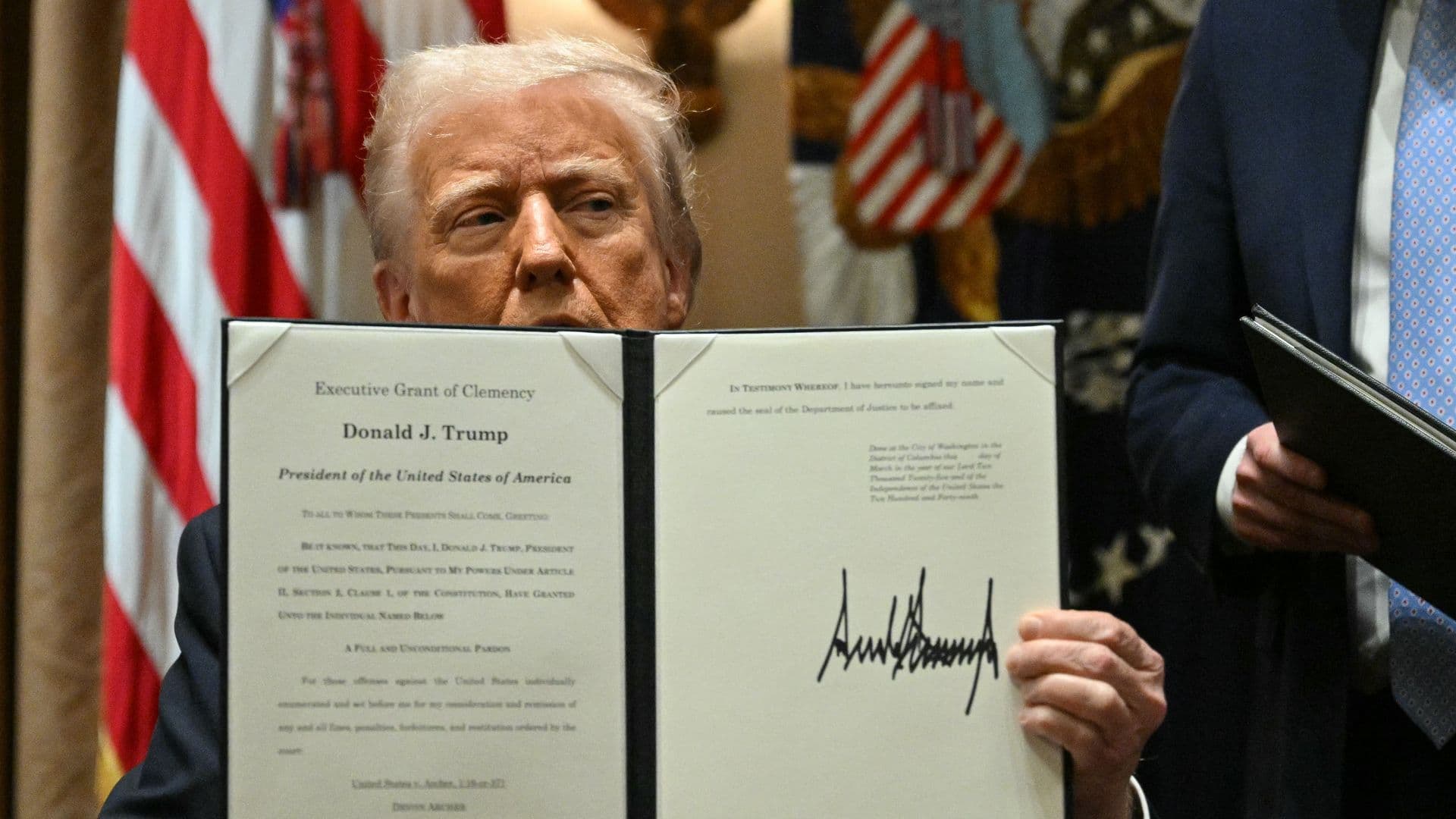
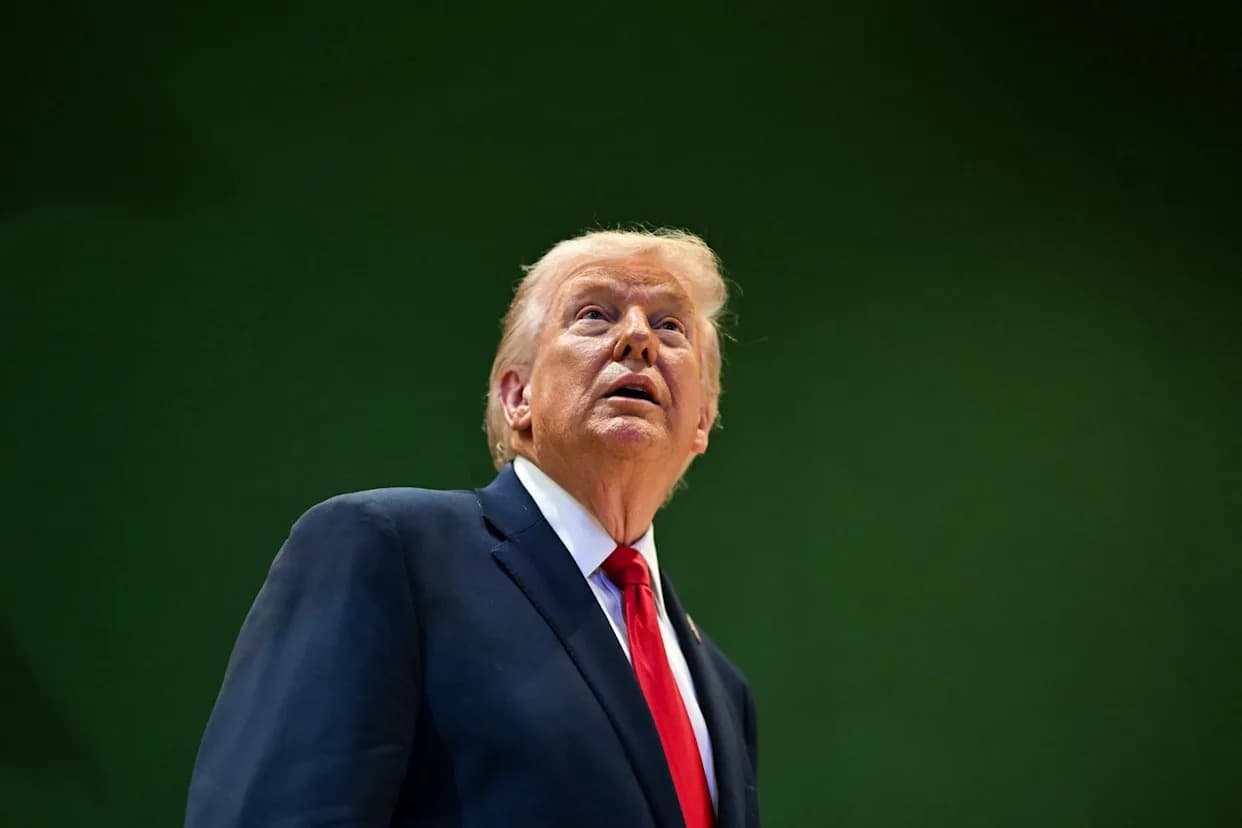
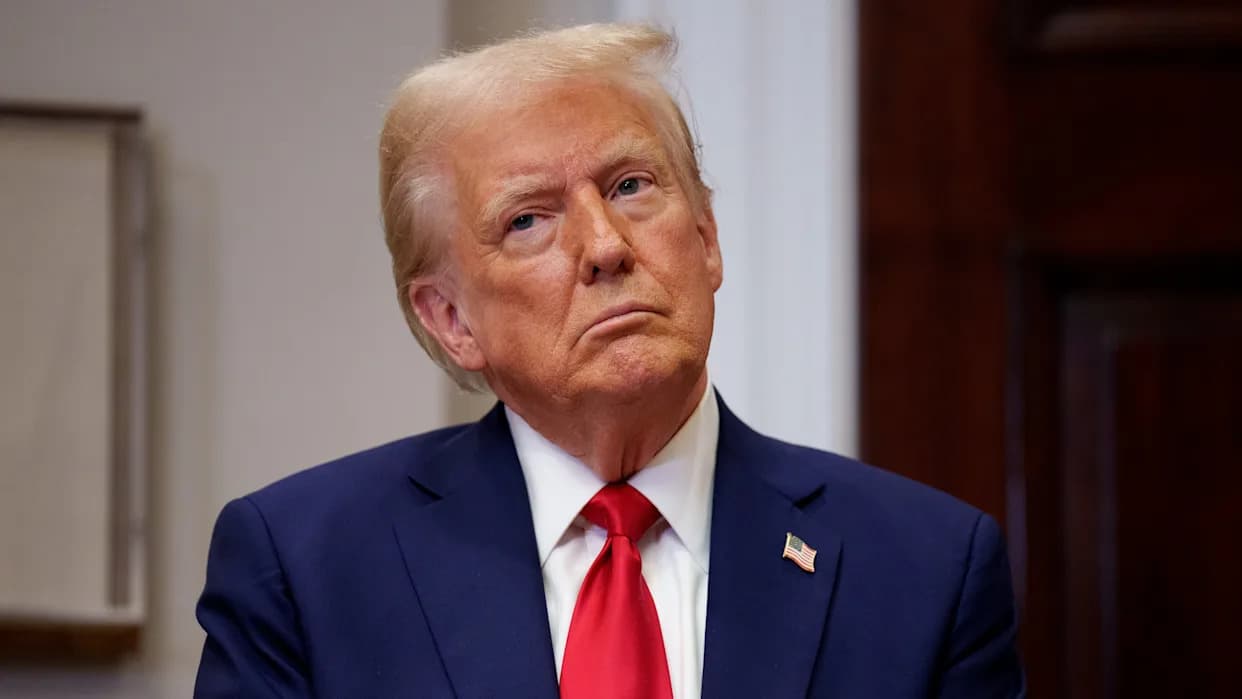
President Trump has granted clemency to over 1,600 people in his second term, including a number of high‑profile business figures. Notable recipients include Ross Ulbricht, Binance cofounder Changpeng Zhao, Nikola founder Trevor Milton and other media and healthcare entrepreneurs. Many pardons have raised questions about political donations, lobbying and the administration’s deregulatory stance—particularly toward crypto. The actions mark a sharp contrast with the pace of clemency during Trump’s first term.
Who Trump Pardoned: Billionaires and Business Leaders on His Second‑Term Clemency List

President Donald Trump has issued clemency to more than 1,600 people during his second term, a dramatic increase compared with his first term. The list includes a notable number of wealthy or high‑profile business figures spanning crypto, media, healthcare and other sectors. Many of these clemencies—pardons or commutations—have prompted scrutiny because of political donations, lobbying efforts, or perceived policy alignment with the administration.
Overview
Most clemency actions this year were granted early in Trump’s term and included a large number of January 6 defendants. Interspersed among those were several businesspeople whose convictions ranged from tax and securities fraud to failures of anti‑money‑laundering controls. The following summarizes the most prominent business-related recipients, listed in the order their clemencies were announced by the Office of the Pardon Attorney.
Notable business figures granted clemency
Ross Ulbricht
On his first full day in office, Trump granted a full pardon to Ross Ulbricht, the founder of the Silk Road online marketplace. Ulbricht had been serving a life sentence for convictions including drug trafficking, money laundering and computer hacking. The president noted he acted in part at the request of Ulbricht’s supporters in the Libertarian movement.
Devon Archer and Jason Galanis
In March, Trump issued clemency for Devon Archer and Jason Galanis, former business partners of Hunter Biden who were convicted in 2018 of defrauding a Native American tribal entity. Archer has maintained his innocence; Galanis had pleaded guilty to multiple securities‑fraud schemes. Both later provided testimony for Republican congressional inquiries.
BitMEX founders and a former senior employee
Also in March, Trump pardoned the three founders of the BitMEX cryptocurrency exchange and one former senior employee after 2022 guilty pleas for failing to maintain anti‑money‑laundering programs required under the Bank Secrecy Act. The White House did not offer a detailed rationale, but the action aligned with the administration’s broader deregulatory approach to the crypto sector.
Trevor Milton
Trevor Milton, founder of the electric‑truck company Nikola, was pardoned in March. He had been sentenced in 2023 to four years in prison after convictions for securities and wire fraud and was ordered to repay nearly $168 million. Milton has denied wrongdoing; public records show he has donated significant sums to Republican causes, and the president suggested political support may have been a factor.
Carlos Watson
Less than a year after his conviction, Carlos Watson, cofounder of a media company, had his sentence commuted. He was convicted of defrauding investors by misrepresenting the company’s financial health and allegedly impersonating media executives to lenders. Watson pleaded not guilty to some counts and had been ordered to pay tens of millions in restitution.
Paul Walczak
Paul Walczak, chief executive of a Florida nursing‑home company, received a pardon in April after pleading guilty to tax crimes tied to unpaid employment taxes and filing failures. His pardon application cited family fundraising ties to Republican causes.
Todd and Julie Chrisley
Reality‑TV personalities and former real‑estate investors Todd and Julie Chrisley, convicted of bank fraud and tax evasion and sentenced to a combined lengthy prison term, were pardoned in May. The couple have maintained their innocence; their daughter publicly advocated for clemency.
Lawrence Duran
Lawrence Duran, once co‑owner of American Therapeutic Corp., had his 50‑year sentence commuted in May. He had pleaded guilty to Medicare fraud and money laundering in a decade‑old case that included a large restitution order.
Marian Morgan
Marian Morgan’s nearly 34‑year prison sentence was commuted in May. Convicted for her role in a Sarasota‑based investment firm that prosecutors described as a Ponzi scheme, she had been ordered to pay substantial restitution and has pleaded not guilty.
Imaad Zuberi
Imaad Zuberi, a former venture capital manager who pleaded guilty in 2019 to making illegal campaign contributions, falsifying lobbying records and tax evasion, had his 12‑year sentence commuted. His sentence included large restitution and fines; Zuberi has since asserted his innocence and sought to withdraw his plea. Records show he donated to both Democratic and Republican causes before supporting Trump in 2016.
Changpeng Zhao ("CZ")
The most wealthy recipient in this group was Changpeng Zhao, cofounder of cryptocurrency exchange Binance, who was pardoned in October after pleading guilty to violating U.S. anti‑money‑laundering rules under the Bank Secrecy Act. He had been sentenced to four months in prison and fined. A White House spokesperson characterized the pardon as an end to what they called the prior administration’s "war on crypto." The pardon prompted questions about financial connections between Binance and the Trump family; a member of Congress requested more information about the motives behind the clemency.
Joseph Schwartz
In November, Joseph Schwartz, who ran a chain of nursing homes and pleaded guilty to tax fraud, was pardoned after being sentenced to three years in prison and ordered to pay multi‑million‑dollar restitution. Public filings indicate Schwartz engaged lobbyists in a clemency campaign.
Takeaway
These clemency decisions reflect a pattern: many recipients are political supporters, donors, or business figures in sectors (notably crypto, media and healthcare) where the administration favors deregulation or has strategic interests. The range of crimes, sentences and the timing of pardons has driven debate over motivations and standards for presidential clemency.
Information in this article is based on the Office of the Pardon Attorney list, pardon applications, court records and public statements from involved parties.
Help us improve.