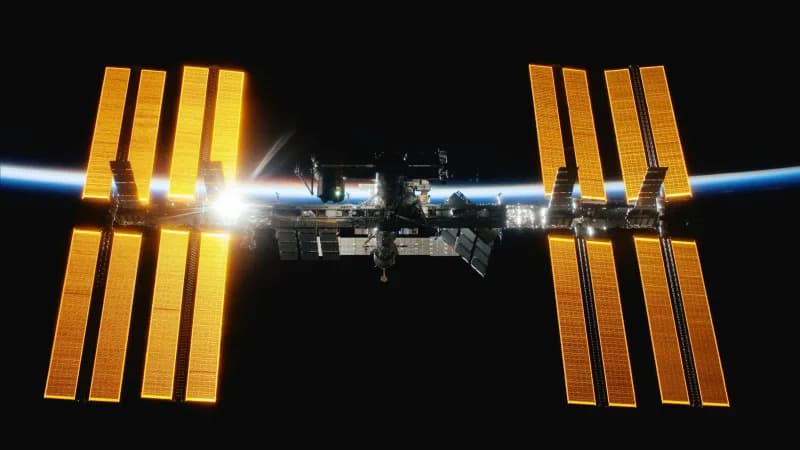
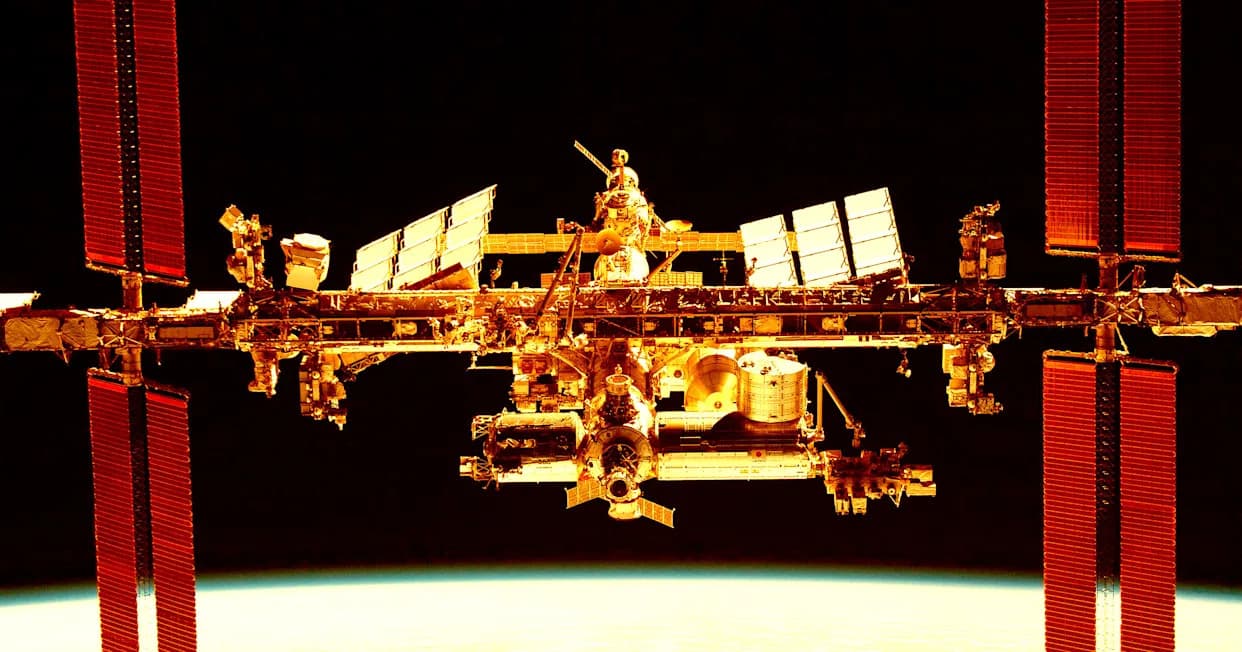
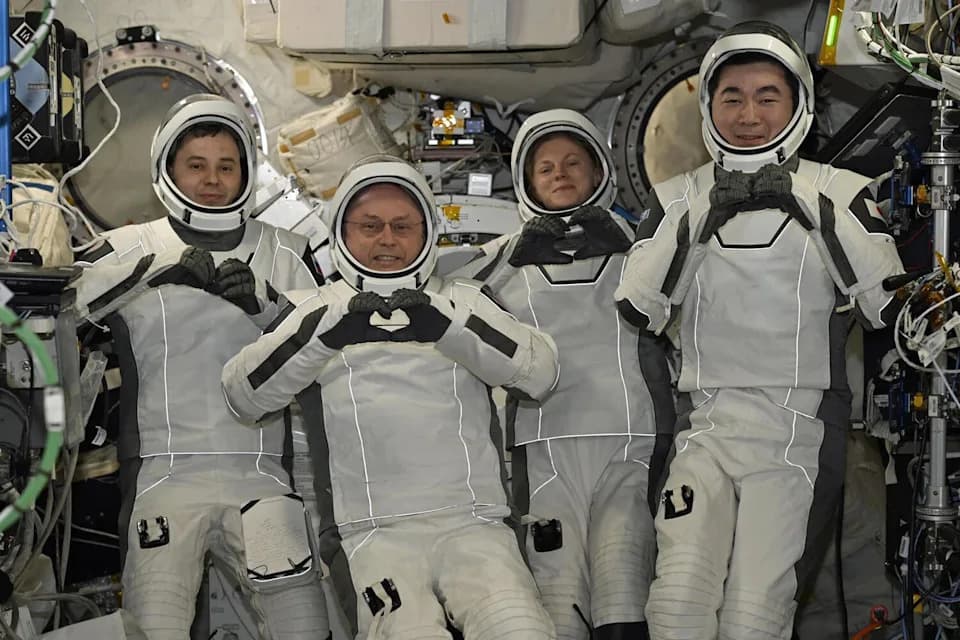
The Soyuz MS-28 crew—NASA astronaut Chris Williams and Roscosmos cosmonauts Sergey Kud-Sverchkov and Sergei Mikaev—will lift off from Baikonur at 4:27 a.m. ET and perform a roughly three-hour, two-orbit fast rendezvous with the ISS, docking around 7:38 a.m. ET. They will join the current Expedition 73 crew and remain aboard for about eight months across Expeditions 73 and 74. Williams and Mikaev are first-time flyers; Kud-Sverchkov is on his second mission. Their planned work includes exercise-system testing, cryogenic fuel-efficiency experiments, semiconductor crystal growth and re-entry safety research.
Thanksgiving Morning Liftoff: Three Crew Members Head to the International Space Station

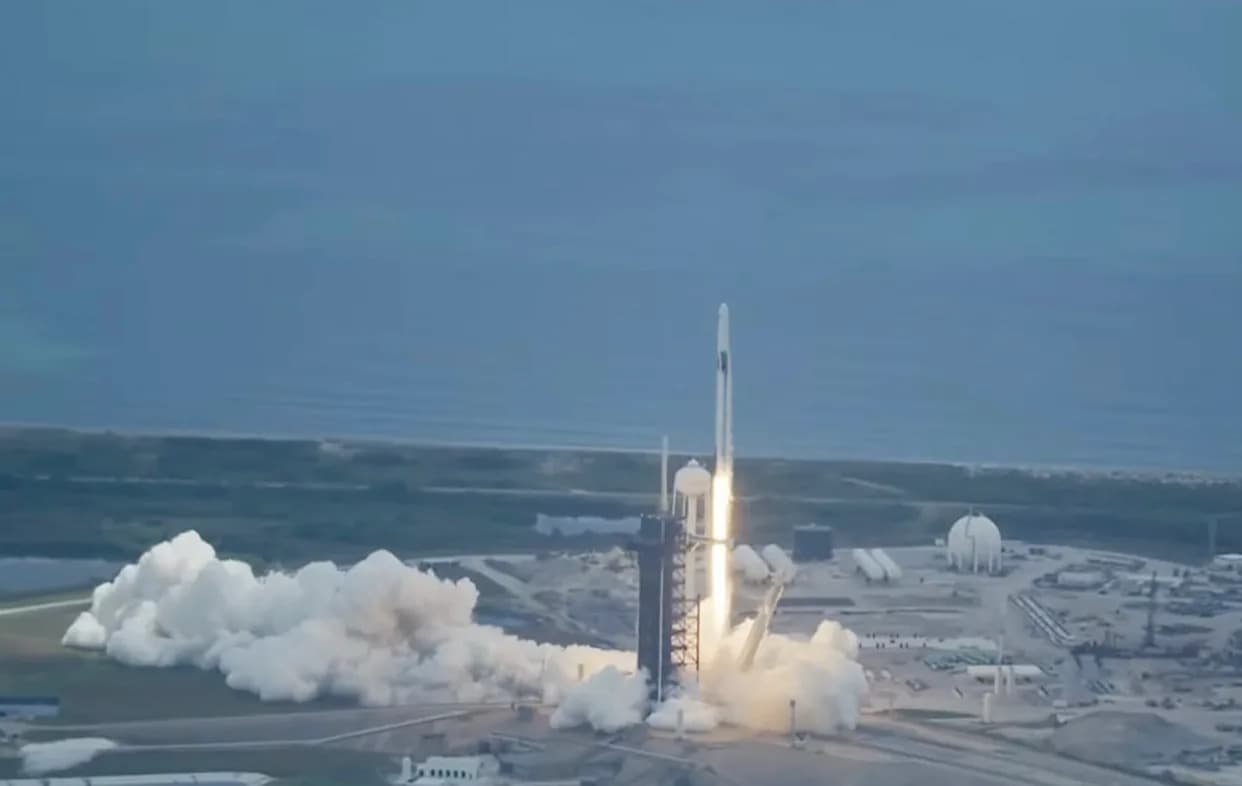
On Thanksgiving morning, a three-person crew will launch to the International Space Station (ISS), marking a fast-turnaround rendezvous and nearly eight months of science and maintenance aboard the orbital laboratory. The Soyuz MS-28 spacecraft is set to lift off from the Baikonur Cosmodrome in Kazakhstan at 4:27 a.m. ET.
Mission timeline
The crew will follow a rapid, two-orbit rendezvous profile that takes roughly three hours. The Soyuz is scheduled to automatically dock with the ISS at approximately 7:38 a.m. ET, with hatch opening to follow after post-docking checks. The launch and docking will be streamed live on NASA+ and the agency's YouTube channel.
Crew and station complement
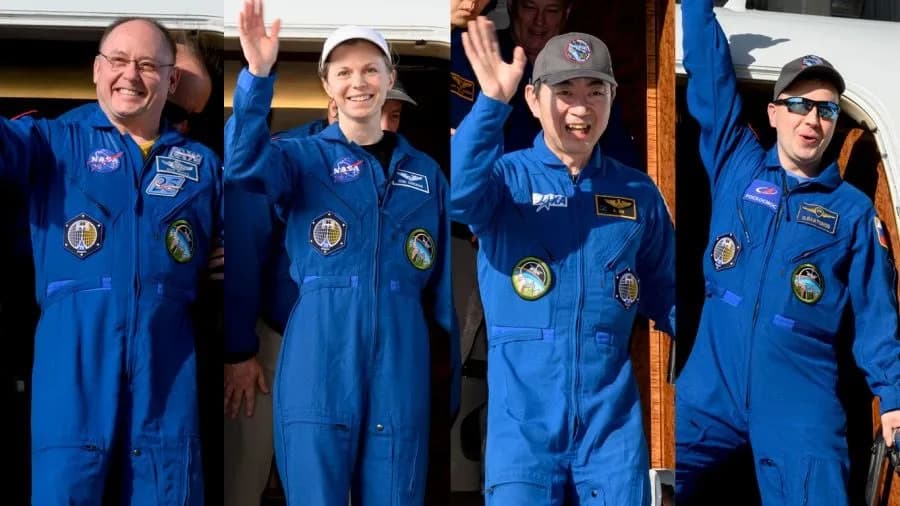
Crew aboard Soyuz MS-28: NASA astronaut Chris Williams and Roscosmos cosmonauts Sergey Kud-Sverchkov and Sergei Mikaev. Williams and Mikaev are embarking on their first spaceflights; Kud-Sverchkov is on his second mission.
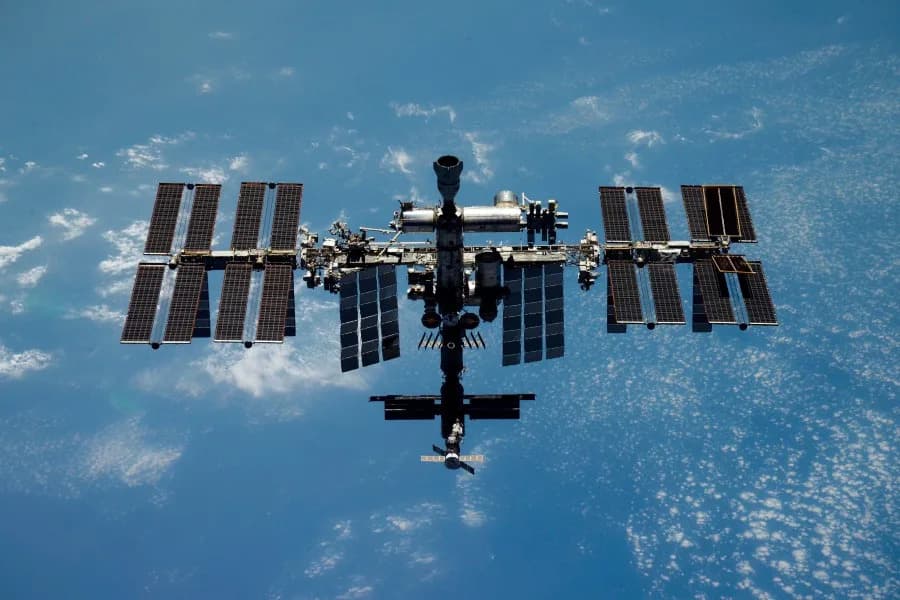
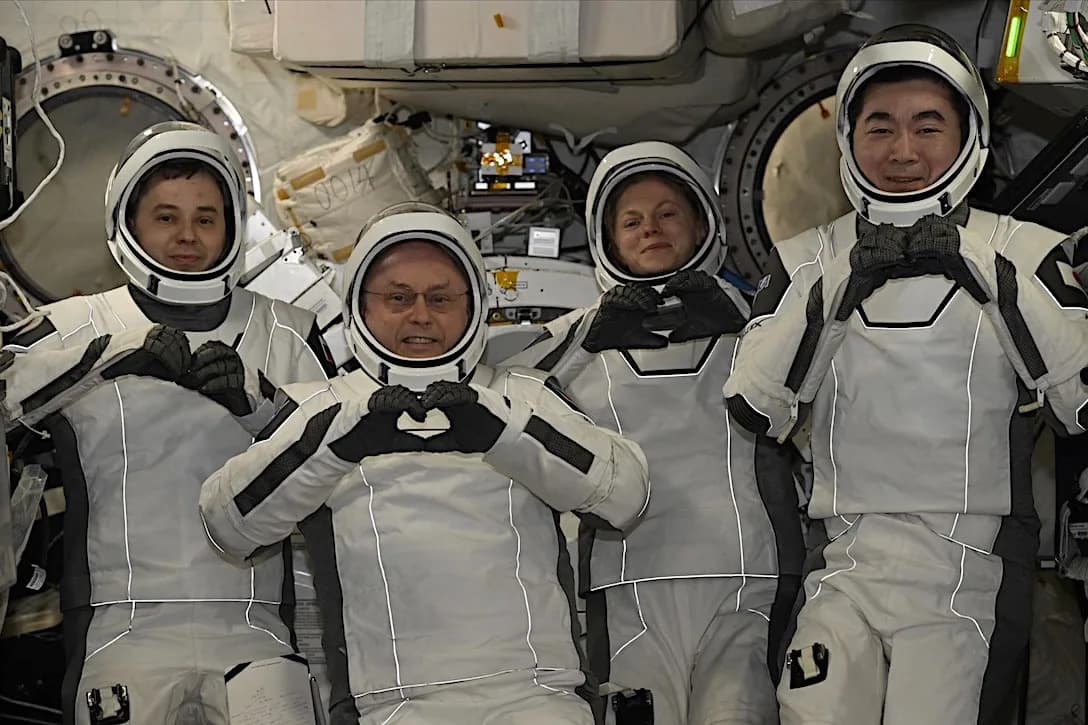
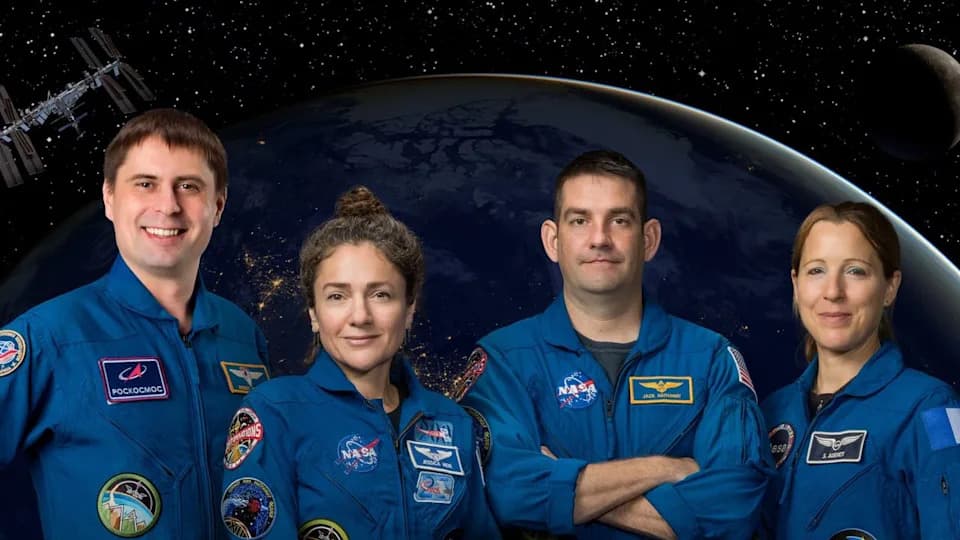
They will join the current Expedition 73 crew already aboard the station: NASA astronauts Mike Fincke, Zena Cardman and Jonny Kim; JAXA astronaut Kimiya Yui; and Roscosmos cosmonauts Sergei Ryzhikov, Alexey Zubritsky and Oleg Platonov.
Objectives aboard the station
The incoming crew members are expected to spend roughly eight months on the ISS across Expeditions 73 and 74. Their work will include scientific research and technology demonstrations such as:
- Installing and testing a new modular exercise system tailored for long-duration missions.
- Experiments aimed at improving cryogenic fuel efficiency in microgravity.
- Growing semiconductor crystals in microgravity to advance materials science.
- Supporting development and validation of updated re-entry safety procedures for future crewed missions.
This launch comes shortly after Nov. 2, which marked the 25th anniversary of continuous human presence aboard the International Space Station—a milestone that underlines the station's ongoing role in international scientific cooperation and space exploration.
Help us improve.