Terry McCarty was 6 when a bowl of lit kerosene was accidentally kicked onto him, burning roughly 73% of his skin and sending him into a year of surgeries and care. While waiting for help he saw his injured face reflected in his father's large glasses — a moment that stayed with him. Years later he became a volunteer firefighter, confronting his fear during live-fire training, and now dedicates his work to nonprofits that support child burn survivors.
Burn Survivor Recalls Seeing His Face 'Slide Off' in Father's Glasses — How He Turned Trauma Into Purpose

Editor's note: This article contains descriptions of severe burn injuries that some readers may find disturbing.
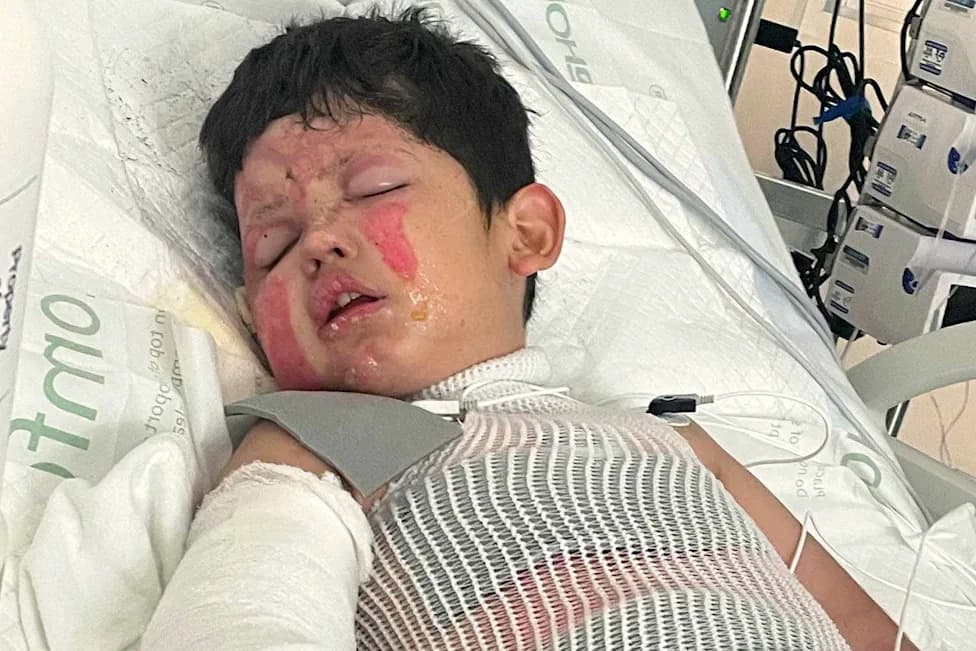
When Terry McCarty was 6 years old, a childhood prank turned catastrophic. His two older brothers tried to light a bowl of kerosene; when the fuel ignited unexpectedly, one sibling kicked the burning bowl away and it flew directly onto McCarty's chest. The flames wrapped him and ultimately burned about 73 percent of his skin.
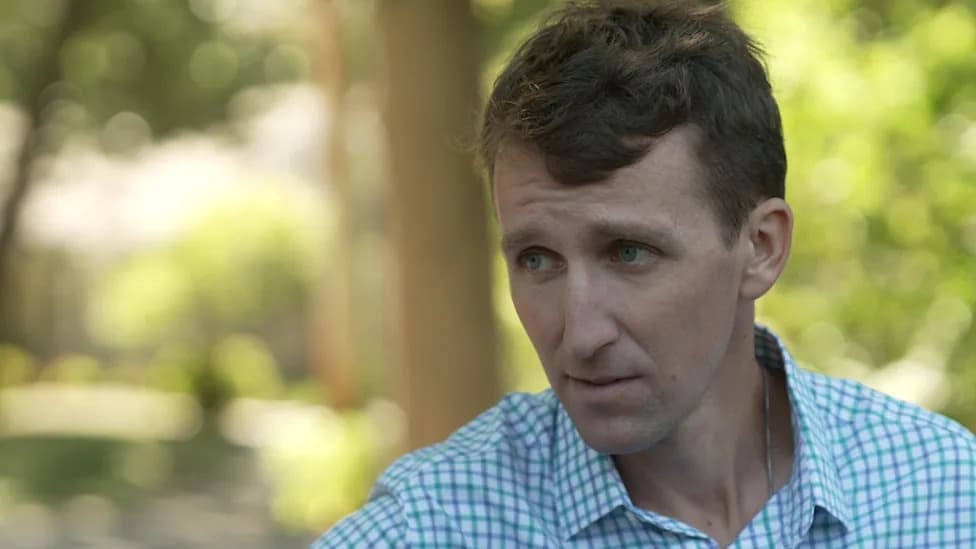
At first he thought everything around him was on fire. "It wrapped around me like a wet blanket with all the flaming kerosene," McCarty, now 39, says. He describes kerosene as a "gelatinous-style fuel" compared with gasoline, which meant the blaze took a few seconds to burn through the fuel layer and reach his skin — giving him a delayed but devastating realization of what had happened.
The sound of the fire was overwhelming. "The fire was deafening," he remembers. "Imagine you're next to a bonfire and then place yourself in the center of it." A neighbor with a sleeping bag smothered the flames and helped stop further damage before emergency services arrived.
While waiting for an ambulance on the sidewalk, McCarty saw his father sprint down the street and kneel beside him. The father wore large, round lenses typical of the early 1990s, and in that reflection McCarty saw a haunting image he has never forgotten.
"He couldn't even touch me, but he was sitting right in front of me trying to just piece together what was going on. At that stage, I watched the entire portion of my face just almost slide off in front of him because I could see it in his glasses."
Recovery and the long road back
What should have been the start of first grade became a year-long hospital stay filled with surgeries and intensive burn care. Re-entering school and adolescence after such severe injuries was a daily challenge; McCarty worked to rebuild his sense of self and self-worth while navigating curiosity and assumptions from others.
At 17, McCarty faced another painful loss: his father died of brain cancer. He says losing a central source of support deepened his struggle to feel accepted. "I really struggled with the world accepting me for who I was," he reflects. "The moment somebody looks at me, they automatically go into that victim mindset: 'Oh, well, he's severely injured, and I wonder what happened to him.'"
Confronting fear and finding purpose
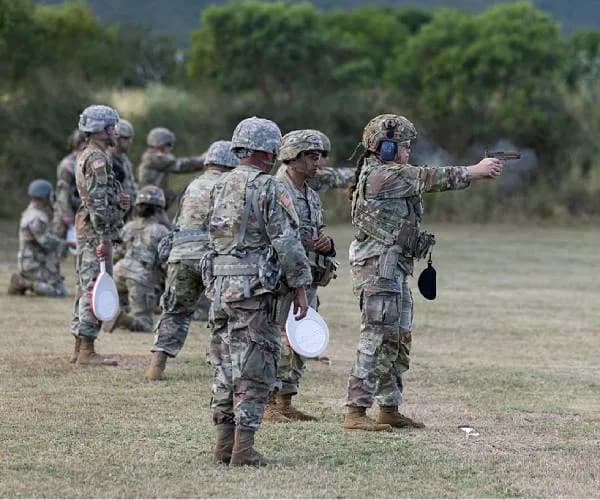
About 15 years after the accident, McCarty pursued a surprising path: he became a volunteer firefighter. He failed the Candidate Physical Ability Test (CPAT) three times before entering the fire academy. Early training suited him, but live-fire exercises resurrected old memories. During one exercise he froze for an instant when flames rolled out of a ceiling — a visual flashback to the kerosene bowl incident. Yet when the fire passed over him while he was fully protected by bunker gear, the fear eased.
"I realized that I was in my bunker gear and that I had the tools to do what I needed to do and I didn't have to be afraid of it," he says. "I feel like that fire literally just cleansed and removed any issues that I had moving forward."
Although McCarty eventually left firefighting, the experience helped catalyze his next chapter. He shifted into nonprofit work supporting child burn survivors, channeling his lived experience into advocacy, mentoring and practical support for families facing similar trauma. He says he sometimes misses the firehouse, but that helping others has given him a lasting sense of purpose.
McCarty's story is one of survival, trauma and resilience — a reminder that even the most harrowing experiences can be transformed into a force for good when someone chooses to help others walk a similar path to recovery.
Help us improve.