Bangladesh has formally asked India to extradite former prime minister Sheikh Hasina after a Dhaka tribunal convicted her in absentia and sentenced her to death for crimes against humanity related to the 2024 crackdown on student protests. The interim government says India is bound by a 2013 extradition treaty and called sheltering Hasina "a grave act of unfriendly behaviour," while India says it has "noted" the verdict but has not commented on extradition. Diplomatic contacts between the countries continue as Bangladesh prepares for upcoming elections and the Awami League remains barred from political activity.
Bangladesh Demands India Extradite Fugitive Ex‑PM Sheikh Hasina After Death Sentence

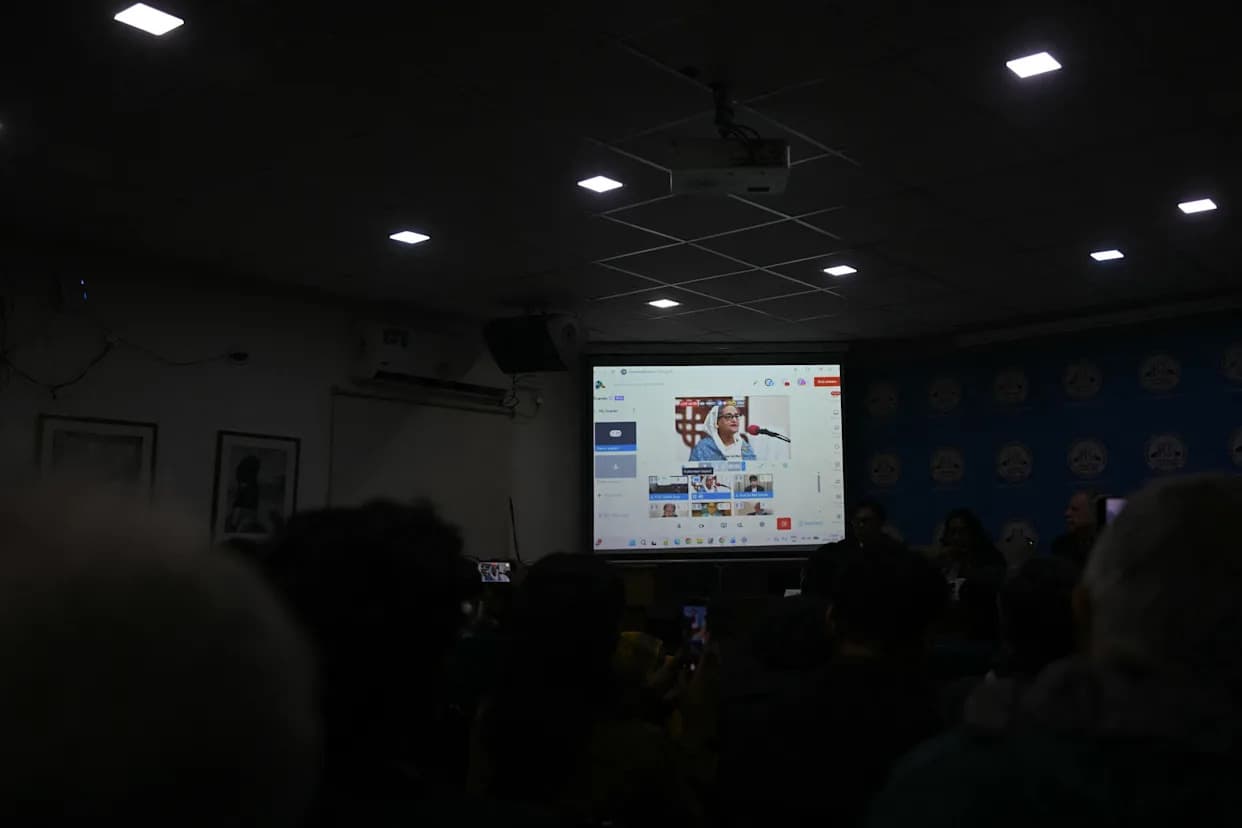
Bangladesh has renewed its demand that India hand over former prime minister Sheikh Hasina after a special tribunal in Dhaka convicted her in absentia and sentenced her to death over last year’s deadly crackdown on a student‑led uprising.
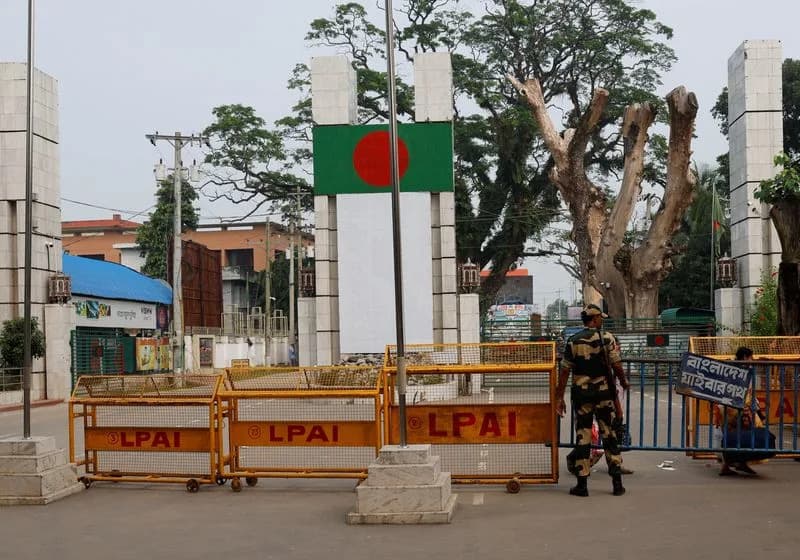
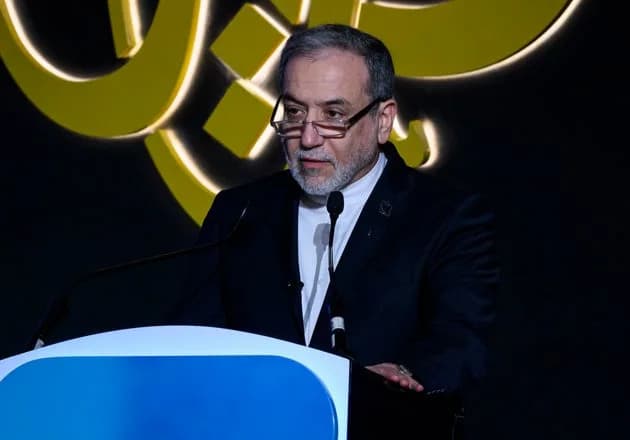
Touhid Hossain, who serves as foreign affairs minister in the interim administration, said Dhaka sent a formal letter to New Delhi two days earlier asking that the fugitive ex‑leader be surrendered under the bilateral extradition treaty of 2013.
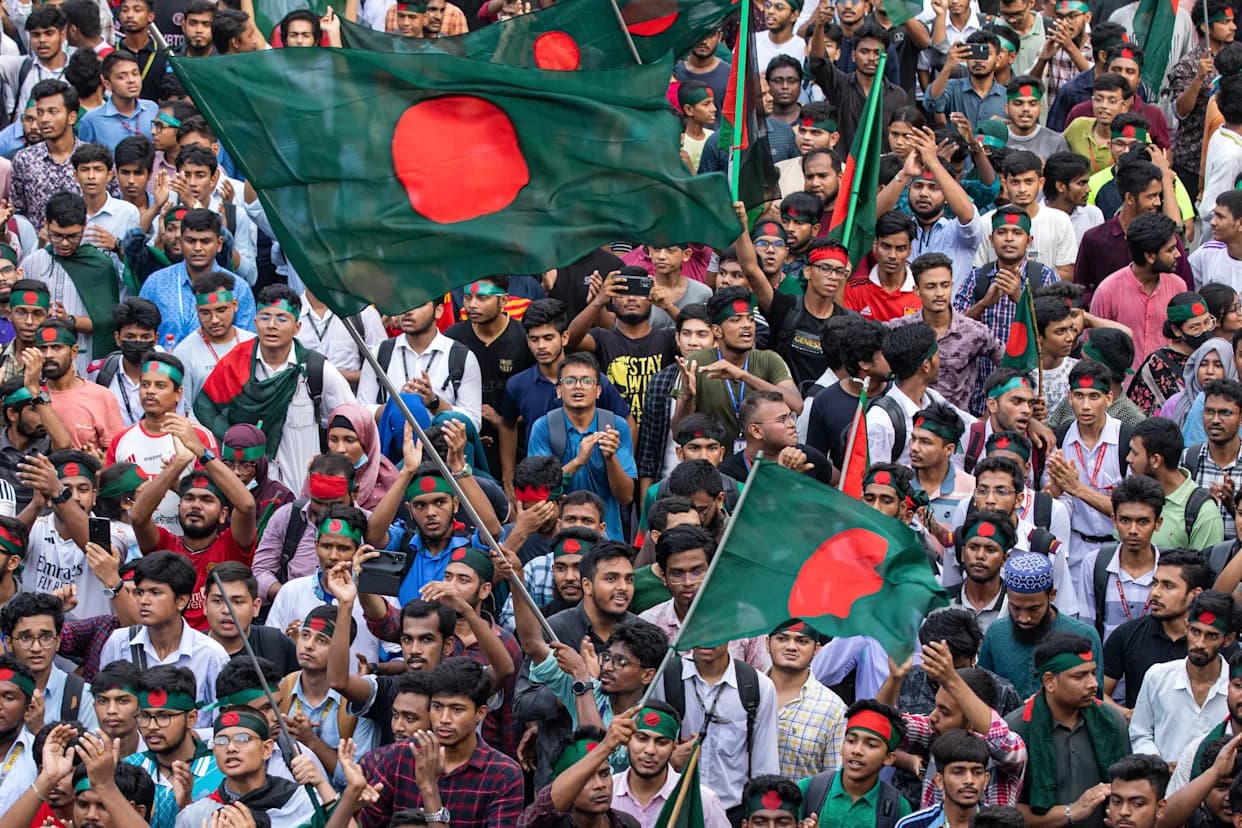
Hasina, 78, who led Bangladesh for about 15 years before being toppled in an August 2024 mass uprising, has been sheltering in India. According to United Nations reporting, more than 1,400 people were killed during the unrest.
On Monday, a special International Crimes Tribunal (ICT) in Dhaka found Hasina guilty of crimes against humanity and imposed the death penalty — a development the interim government, led by Nobel Peace Prize laureate Muhammad Yunus, described as fulfilling a key pledge.
Bangladesh's Foreign Ministry said India has an "obligatory responsibility" under the 2013 treaty to facilitate Hasina's return, called India's continued sheltering of her "a grave act of unfriendly behaviour," and described asylum for those convicted of crimes against humanity as "a travesty of justice."
India's Ministry of External Affairs said it had "noted" the tribunal's decision but has not commented on whether it will agree to extradition. Bangladeshi reporting indicates Dhaka has made at least three extradition requests so far.
The episode has strained ties between the two South Asian neighbours, in part because India previously supported Hasina while she was in office. There were, however, signs of a diplomatic thaw this week after Bangladesh's National Security Adviser Khalilur Rahman attended a regional security summit in India and met his Indian counterpart, Ajit Doval; Bangladeshi media reported Rahman invited Doval to visit Dhaka.
Bangladesh is preparing for its first general election since the February protests. Hasina's party, the Awami League, remains barred from political activity, a factor likely to shape the upcoming vote and regional diplomatic calculations.
Implications: The extradition request and India's response will be watched closely across the region. A refusal to extradite could deepen bilateral tensions and affect security and diplomatic cooperation, while compliance would mark a significant shift in India‑Bangladesh relations.
Help us improve.