Issa Tchiroma Bakary, leader of Cameroon’s opposition, has taken refuge in The Gambia, which says it is sheltering him temporarily on humanitarian grounds while pursuing diplomatic ways to ease post-election tensions. Official results declared President Paul Biya the winner with 53.7% of the vote — a result Tchiroma rejects as fraudulent. The disputed outcome ignited protests that authorities say left at least five dead, and the government plans legal action against Tchiroma for incitement.
Cameroon Opposition Leader Flees to The Gambia Amid Post‑Election Unrest

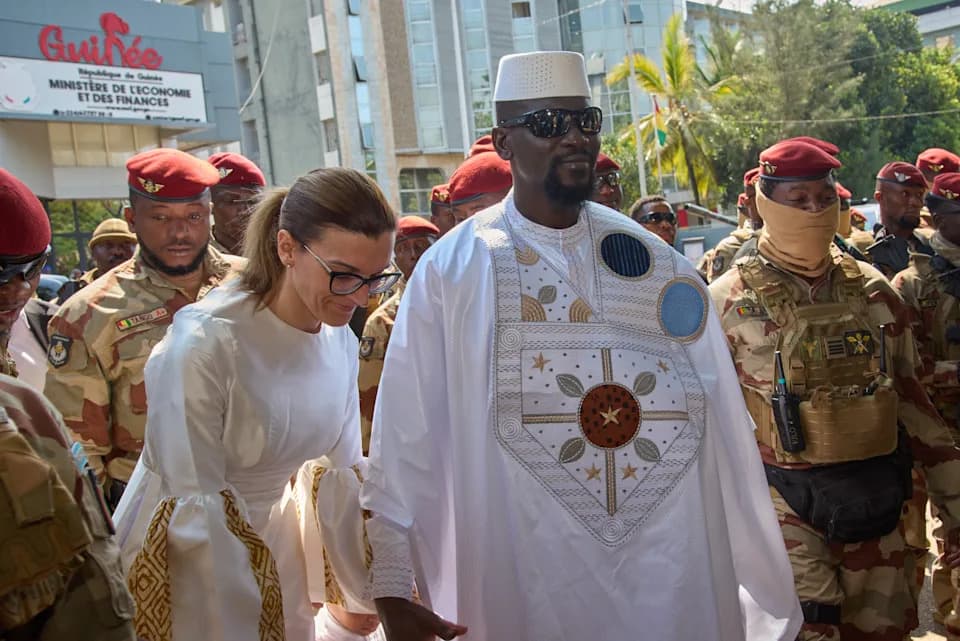
Issa Tchiroma Bakary, a leading opposition figure in Cameroon, has crossed into The Gambia "for the purpose of ensuring his safety" after a disputed presidential election that returned long-serving President Paul Biya to power amid violent unrest.
The Gambian government said on Sunday it is hosting Tchiroma "temporarily" on "humanitarian grounds" while pursuing a "peaceful and diplomatic resolution" to the tensions that followed October's ballot. The statement, posted on the Facebook page of Gambian President Adama Barrow’s office, said The Gambia is coordinating with regional partners, including Nigeria, to help secure a negotiated outcome.
Official results gave 92-year-old President Paul Biya 53.7% of the vote, an outcome that would extend his rule into an eighth term, while Tchiroma — a former government minister and leader of the Cameroon National Salvation Front — was reported at 35.2%.
"This is not democracy, it is electoral theft, a constitutional coup as blatant as it is shameful," Tchiroma said after rejecting the official tally, asserting he was the true winner.
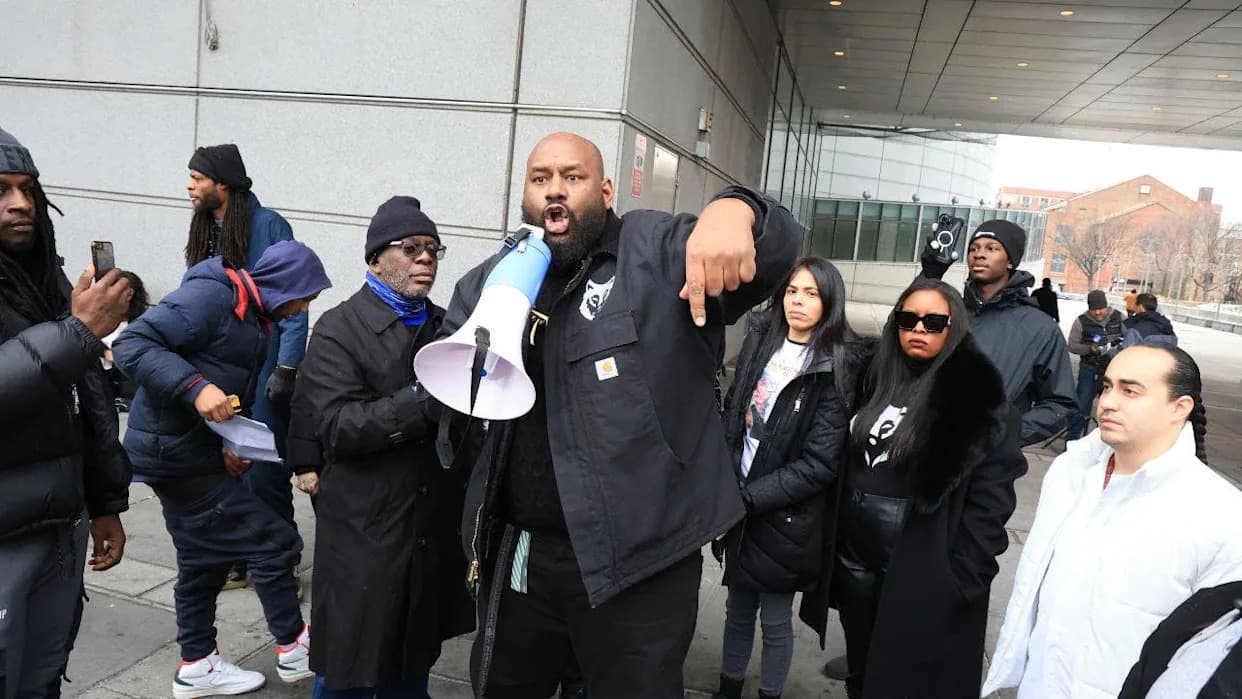
Following the vote, Tchiroma repeatedly urged supporters to protest, calling for "dead city" actions in which shops close and public activity is disrupted. Cameroonian authorities say at least five people were killed during the demonstrations, though opposition groups and civil society organisations claim the death toll is higher.
The Cameroonian government has announced plans to pursue legal action against Tchiroma for what it describes as "repeated calls for insurrection."
Background
Biya first became president in 1982 and, after a 2008 constitutional amendment removed term limits, has remained in office. His decades-long rule has been criticised for tight control over political life and for suppressing dissent, according to opposition activists and international observers.
Regional diplomacy — including engagement from The Gambia and Nigeria — is now being described by officials as a priority to defuse tensions and seek a negotiated, peaceful way forward.
Help us improve.