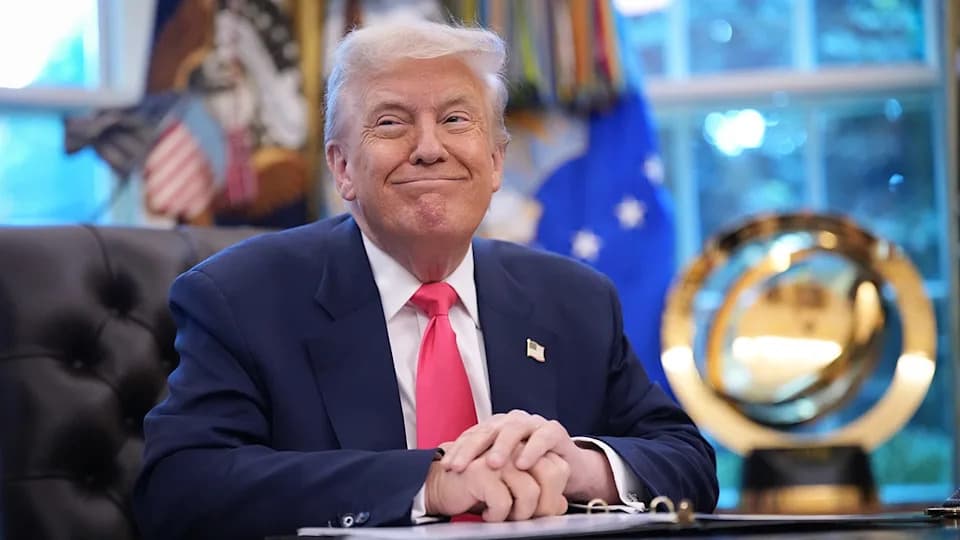
President Trump has proposed $2,000 checks funded by tariffs for mid-2026, but many congressional Republicans are skeptical. Key GOP figures — including Sen. Ron Johnson and Sen. Rick Scott — argue tariff proceeds should be used to reduce the federal deficit and national debt. Independent analysts estimate the plan could cost about $600 billion, roughly double projected annual tariff receipts, and economists warn the payments may add to inflationary pressure.
Republicans Balk at Trump’s $2,000 Tariff-Funded Checks
President Donald Trump has proposed sending $2,000 checks to Americans in mid-2026, funded by tariff revenue. Turning that proposal into law would require congressional approval — and a growing number of Republican lawmakers are doubtful the plan is fiscally practical or politically wise.
Sen. Ron Johnson of Wisconsin argued that new revenue should be used to reduce the federal deficit rather than finance large one-off payments. “We’re facing a deficit this year around $2 trillion,” he said, adding that proceeds from tariffs or any other source should help bring that gap down.
Republican reservations
Many conservatives prioritize deficit reduction and long-term fiscal stability over a high-profile rebate. Sen. Rick Scott of Florida said his focus remains on paying down what he described as the roughly $38 trillion national debt, while Rep. Andy Biggs of Arizona suggested he would prefer permanent tax-rate reductions to temporary rebates.
Some Republicans have been cautious rather than openly hostile — mindful of the political risk of opposing a proposal backed by the former president. House Speaker Mike Johnson has acknowledged there may be “some merit” to the idea, while stressing policymakers must decide the best use of any new revenue, including paying down the debt.
Practical and economic obstacles
Beyond the politics, analysts and economists highlight several problems. Independent estimates indicate tariff revenue would likely fall well short of funding a $2,000-per-person program. The Committee for a Responsible Federal Budget estimated the initiative could cost roughly $600 billion — about double projected annual tariff receipts of roughly $300 billion — and that assumes none of the tariffs are struck down in court.
Economists also warn such stimulus-style payments could add upward pressure on prices. Scott Lincicome, vice president for general economics at the Cato Institute, noted the political irony: Republicans spent years criticizing inflationary stimulus checks, and now could face the same criticism if they advance a large rebate.
Some Republicans and analysts suggest lawmakers might look for alternative ways to satisfy calls for relief — including packaging tax cuts or refunds in ways that politically resemble a tariff rebate even if the mechanics differ. That approach would likely be more politically palatable but could draw scrutiny for its transparency.
Outlook
For now, Trump’s plan faces significant headwinds: fiscal conservatives within his party, questions about the sufficiency and legality of tariff revenue, and concerns about inflation. Any path forward would require careful legislative design and Republican consensus in Congress, neither of which is assured.
Help us improve.