Residents and small businesses in Bethlehem and the Lehigh Valley report rising costs for groceries, rent and health care that are stretching household budgets. Local credit counselor Jenique Jones and business owners describe lost overtime, repeated supplier price hikes and growing reliance on credit. Pennsylvania grocery inflation is about 8.2% year-over-year and one‑bedroom rent in Bethlehem averages near $1,900. Northampton County’s bellwether status and a narrow ~4,000‑vote margin in 2024 make the area a pivotal test for 2026.
“A Whole Bunch of Financial Mess”: Rising Costs Strain Voters in a Pennsylvania Bellwether

Residents of Bethlehem and the surrounding Lehigh Valley say everyday life is becoming increasingly unaffordable, and the squeeze on household budgets could have major political consequences in a county long known for predicting state and national outcomes.
“Times are tough,” says Jenique Jones, who runs Lehigh Valley Credit Restoration in Bethlehem. Jones says her client load has surged as people seek help repairing credit and reorganizing household finances. Typical complaints: lost overtime, rising daycare costs, soaring grocery bills and reliance on credit cards to cover basic spending.
“Pretty much just a whole bunch of financial mess,” Jones said. A three-time voter for President Trump, she says she remains inclined toward him politically but is frustrated that his promise to make life more affordable has not, in her view, materialized.
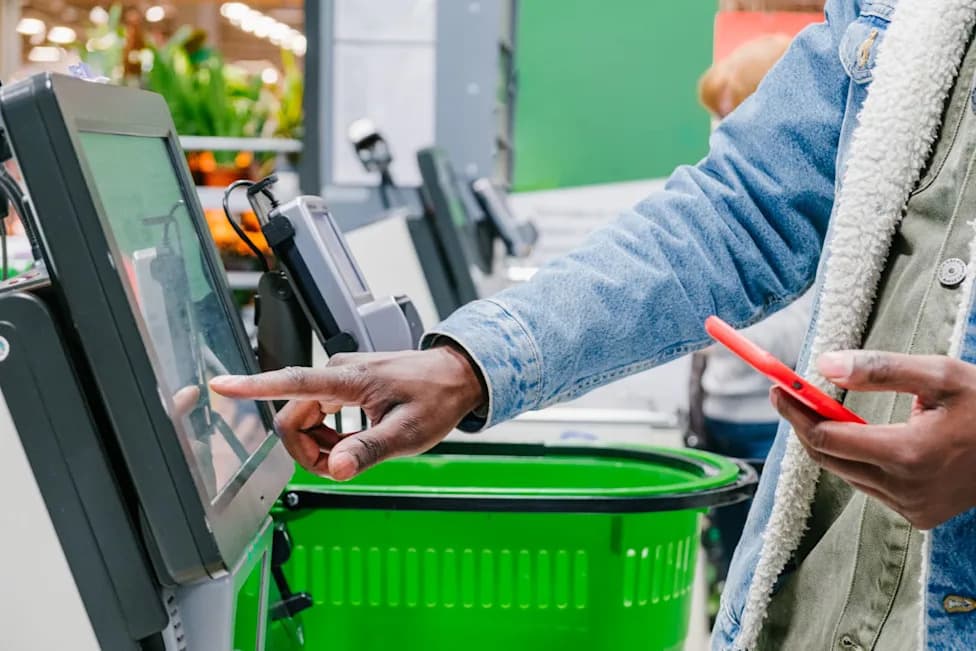
Local data reflect those concerns. Grocery inflation in Pennsylvania rose about 8.2% over the past year—well above the national average of roughly 5%—and the average rent for a one-bedroom apartment in Bethlehem is near $1,900, up nearly 6% year-over-year. Unemployment in the Lehigh Valley has also increased since the president returned to office. Jones says what used to be a $150 weekly grocery bill can now approach $250.
Everyday businesses feel the pinch
Small business owners report similar pressures. Ronald Corales, owner of three Gentlemen’s Barber shops, hears customers—especially in the Latino community—warn that prices are higher than in prior campaigns. Corales, also a three-time Trump voter, hopes policy changes will take effect but acknowledges relief has been slow to arrive.
At Cutters Bike Shop, owners John and Lisa Ronca described rapid increases in health insurance premiums bought through the ACA exchange. Their renewal quote was so steep they said they could not keep the plan. “It’s tripling,” Lisa said. Democrats sought to extend enhanced ACA premium subsidies during a recent budget standoff but did not secure changes; Republican leaders and the White House have signaled interest in alternative proposals.
The Roncas also described repeated price hikes from suppliers: parts and bikes sourced from China, Taiwan, Vietnam and Indonesia have risen in cost several times during the year, often in 10% increments. A replacement chain that was $35 months ago is now about $50; a mid-level mountain bike has jumped from roughly $75 to $120. With holiday sales lagging, the shop has cut part-time help.
What this means politically
Bethlehem lies in Northampton County, a bellwether that has picked statewide and national winners in recent elections. The president carried Pennsylvania’s 7th Congressional District in 2024 by a narrow margin—around 4,000 votes—making this area a top target for Democrats seeking to flip the House in 2026. Across interviews in the Lehigh Valley, few people said prices had improved; most reported higher costs than a year earlier, even some who remain loyal to the president.
“I’m going to vote for a person who puts a check on him,” said John Ronca, reflecting a sentiment that some voters want more effective control or course correction on economic pressures.
Key complaints—food, rent, child care, health insurance and rising costs for imported goods—are shaping voters’ early thinking about midterm elections. Whether those concerns translate into broad electoral change in 2026 will depend on how quickly families and small businesses see tangible relief.
Help us improve.