Federal prosecutors dropped charges against Marimar Martinez after a judge flagged serious problems in the investigation of a Chicago shooting tied to an enforcement operation. Text messages shown in court suggested the Border Patrol agent who fired at Martinez boasted about his marksmanship, and the agent’s damaged SUV was driven roughly 1,000 miles to Maine instead of being preserved for forensic analysis. Legal experts said those issues and inconsistent government accounts undermined the case, and Martinez says she now wants to return to her teaching job.
Judge Dismisses Charges After Agent’s Boastful Texts and 1,000‑Mile SUV Move Raise Doubts

Judge dismisses indictment in controversial Chicago shooting case
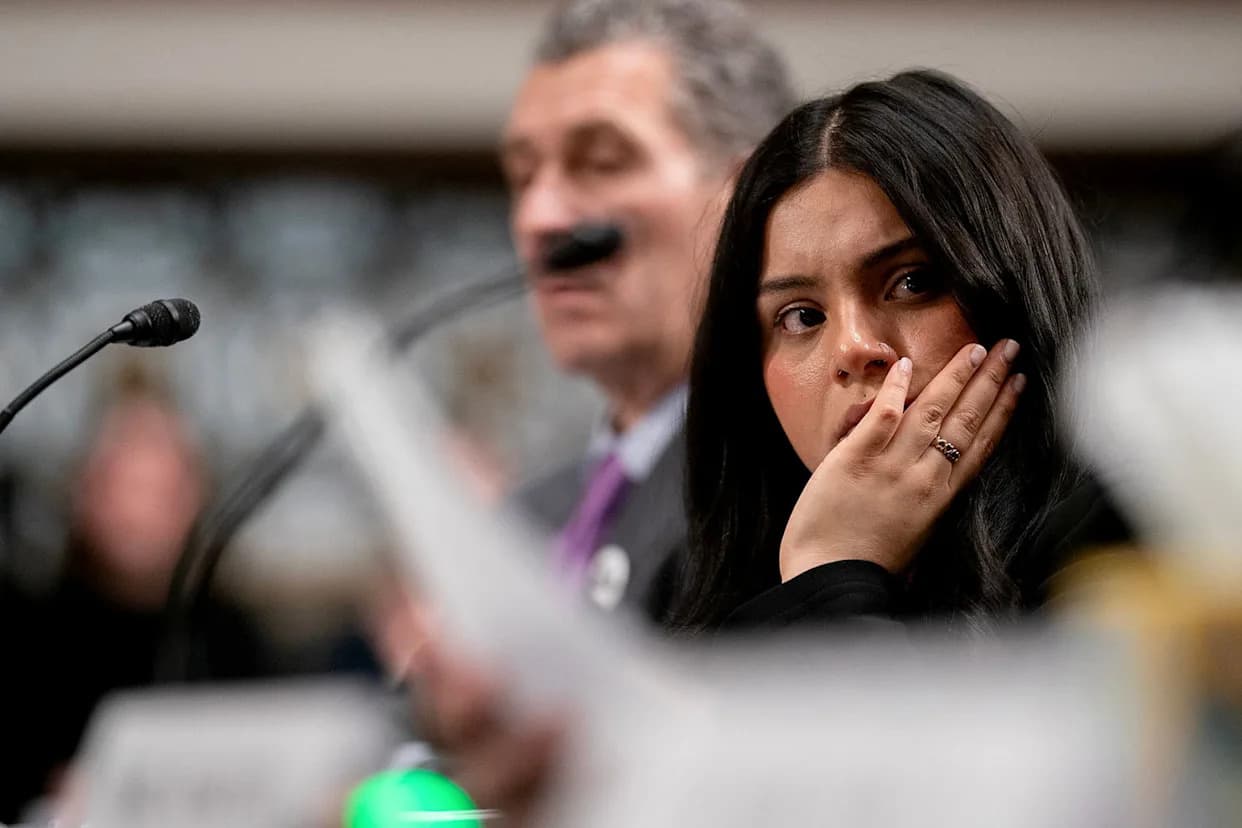
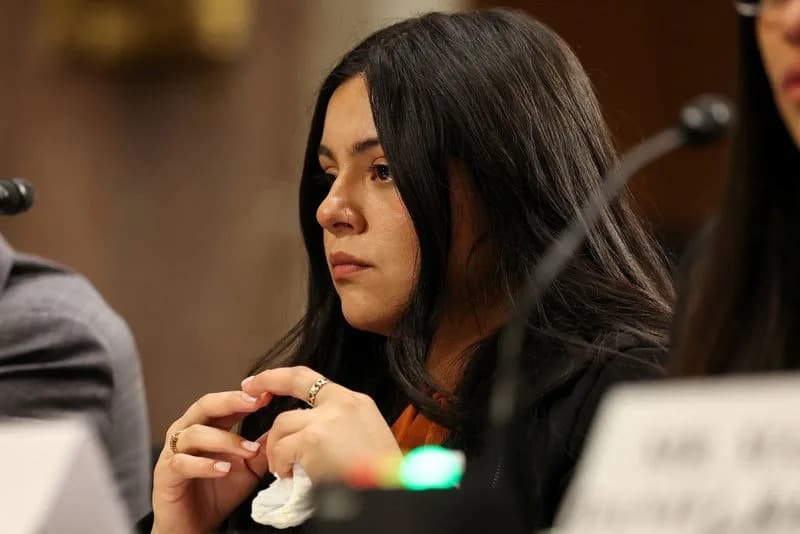
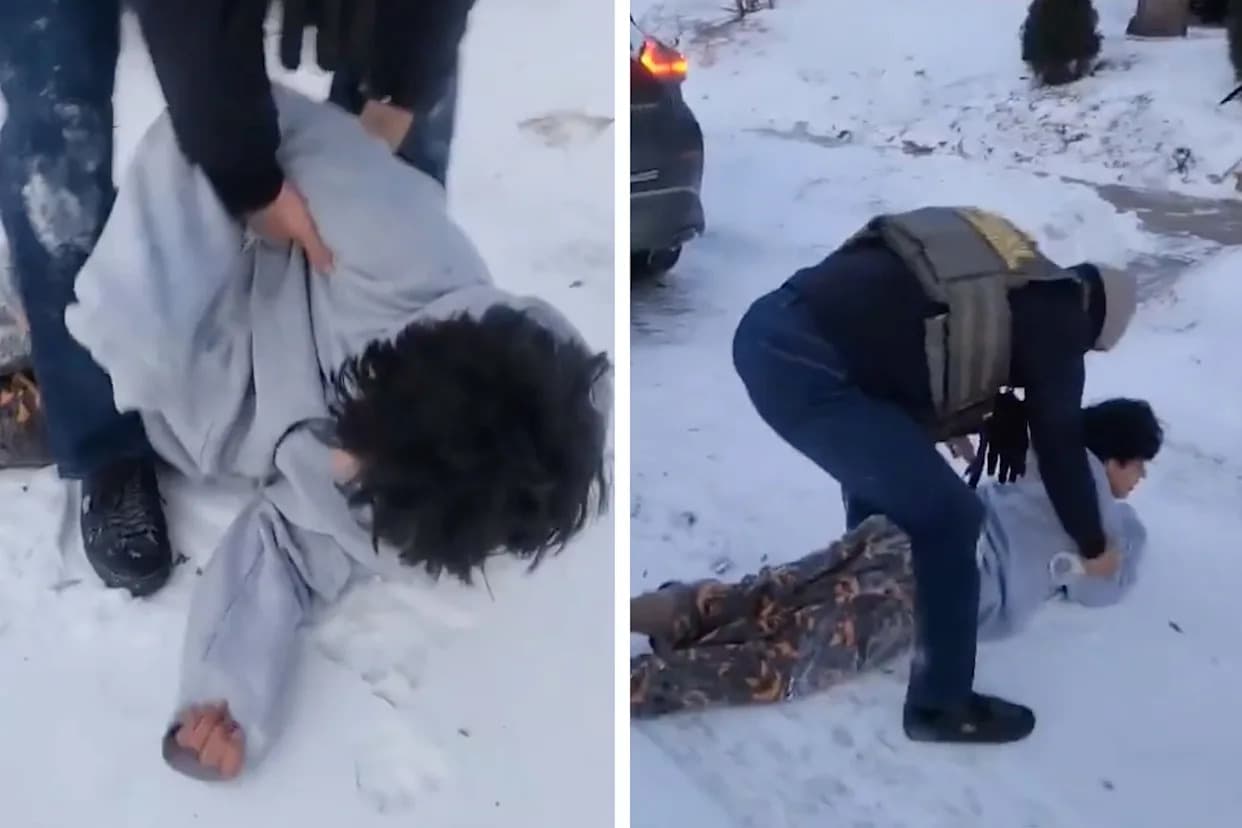
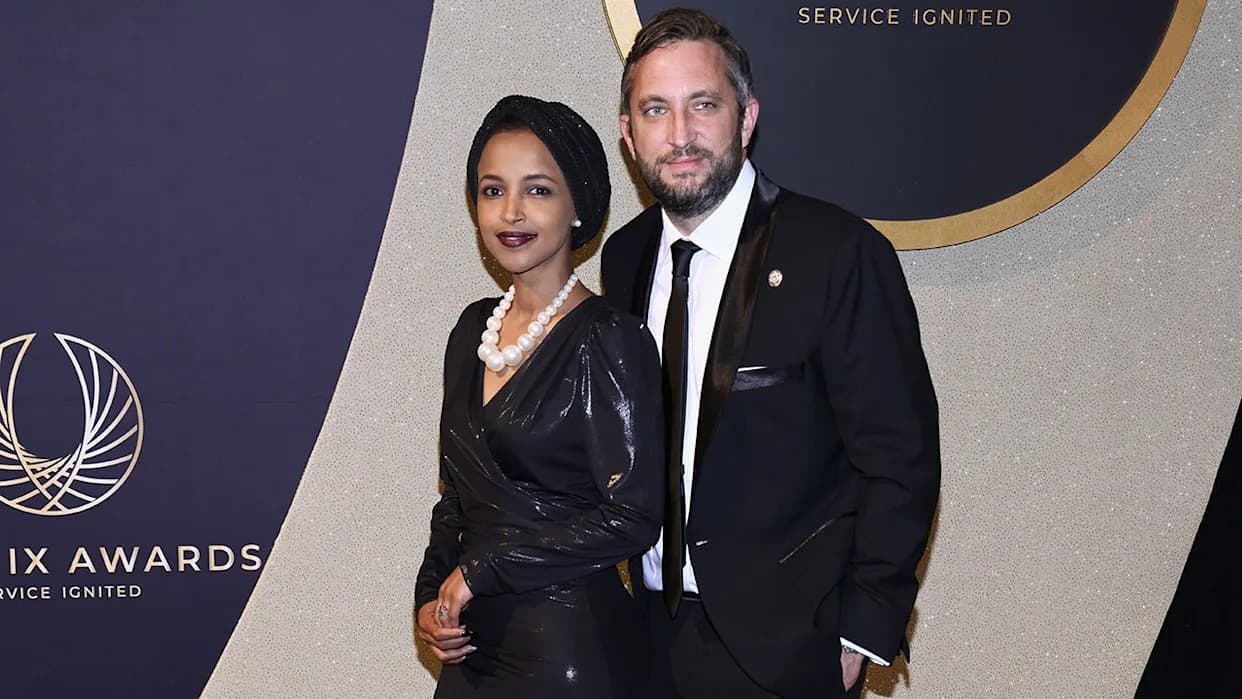
Federal prosecutors dropped criminal charges against Marimar Martinez after a judge found serious problems in the government’s handling of the investigation into a shooting during protests in Chicago. Martinez, a U.S. citizen who had pleaded not guilty, had been accused of ramming the vehicle of a Customs and Border Protection (CBP) agent before the agent fired multiple shots at her.
Key problems highlighted in court
US District Judge Georgia Alexakis repeatedly questioned the government’s narrative after evidence and testimony revealed inconsistencies and possible mishandling of material evidence. Two issues emerged as pivotal:
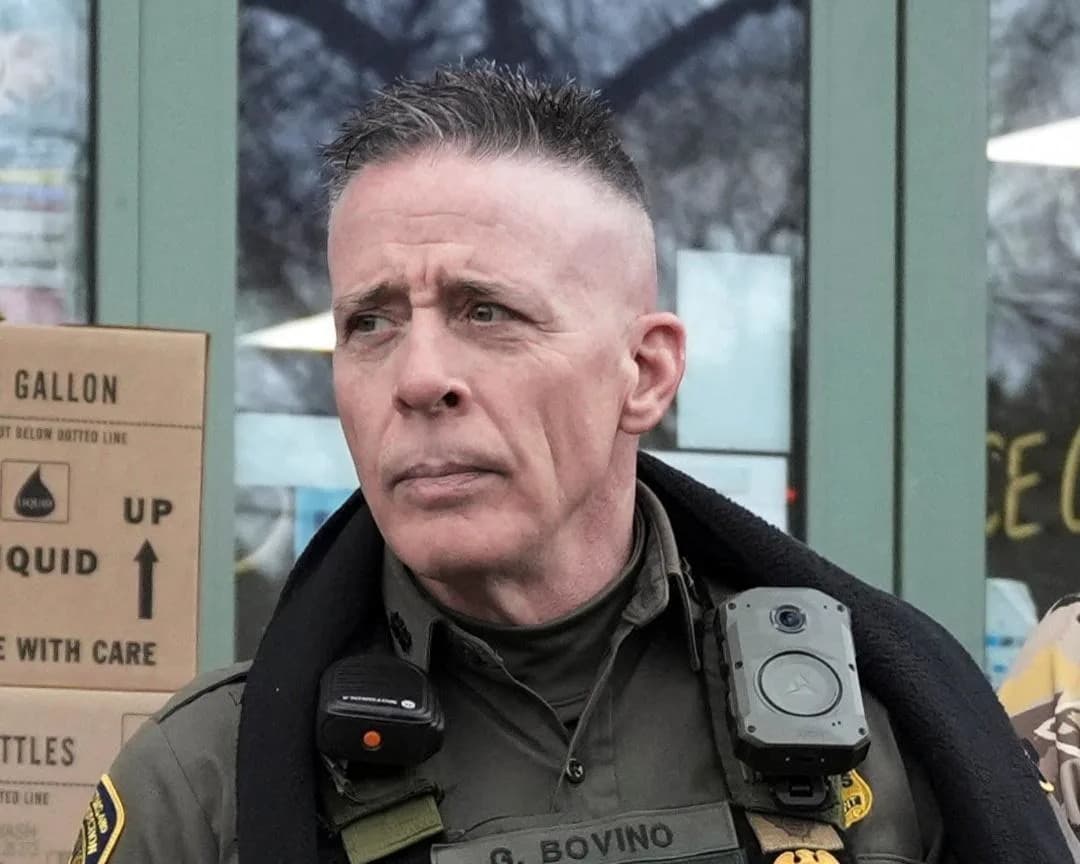
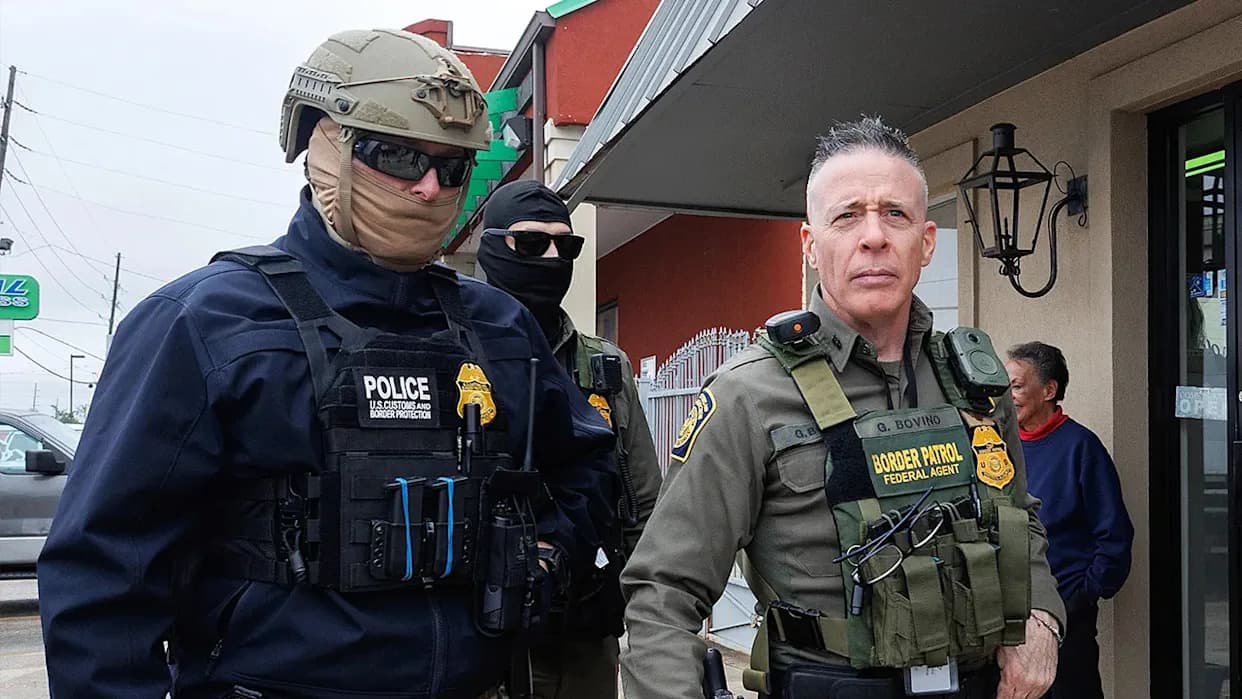
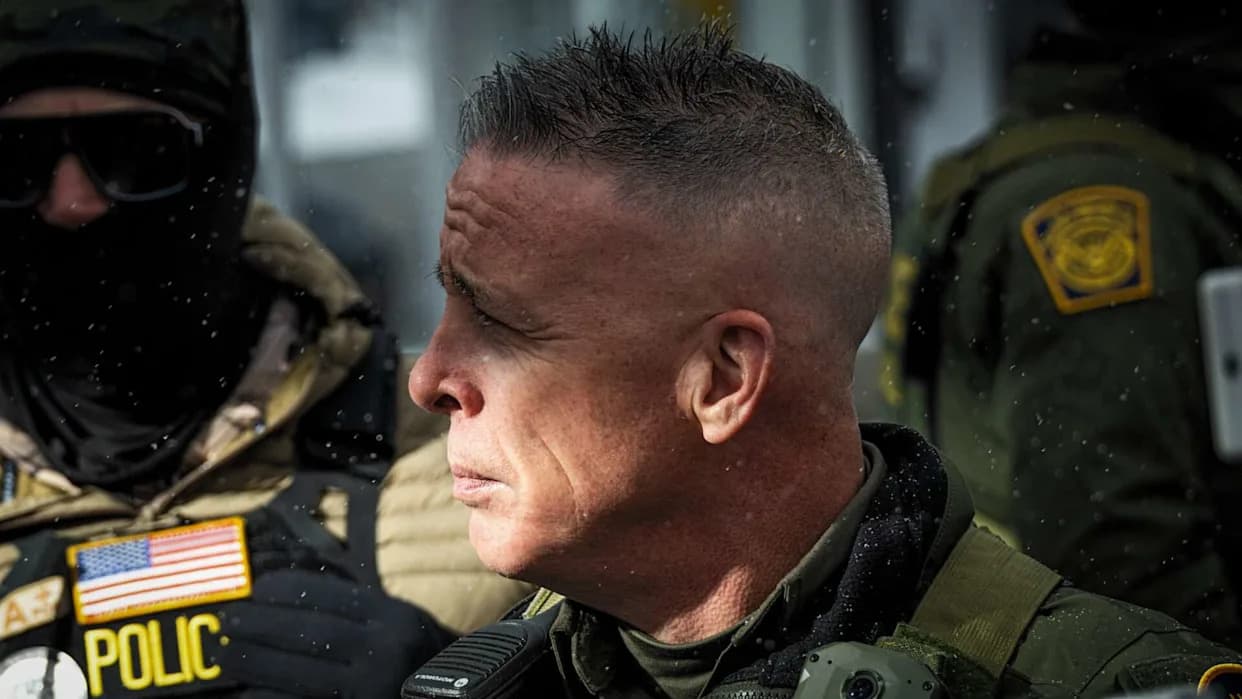
- Text messages: Messages shown in court appeared to show the Border Patrol agent who fired the shots boasting about his marksmanship and the number of wounds his shots inflicted. Legal experts said those messages seriously damage the credibility of a central prosecution witness and would pose a major hurdle at trial.
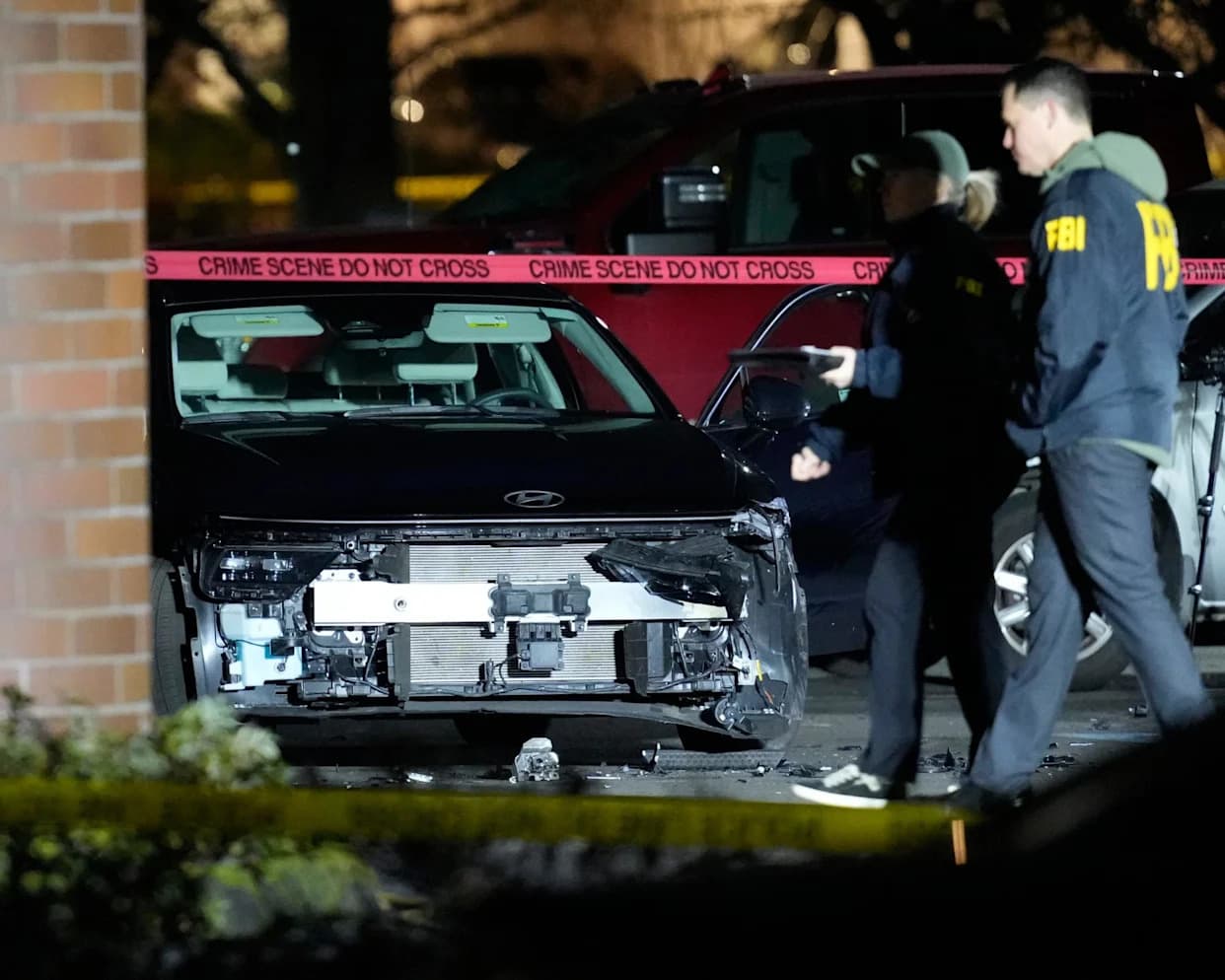
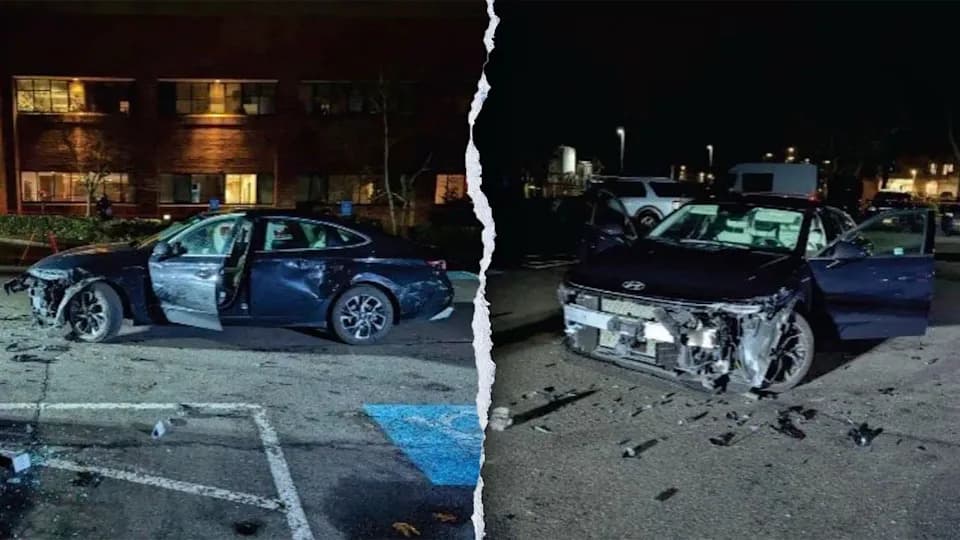
- Preservation of the vehicle: The damaged Border Patrol SUV was allowed to be driven roughly 1,000 miles to Maine after the incident, while Martinez’s car remained in Chicago as evidence. Defense attorneys argued the release and possible repair of the vehicle could have destroyed or altered crucial forensic information about the collision.
What prosecutors and experts said
Prosecutors filed a motion to dismiss charges against Martinez and a co-defendant, saying they were continuing to evaluate new facts tied to the larger enforcement operation. But legal observers pointed to a series of court filings and testimony that raised significant questions about whether the government could prove at trial that the use of deadly force was justified.
"Ultimately, when everything was evaluated, there were serious questions about the officers' narratives," said legal analyst Joey Jackson.
Other analysts noted that apparent bragging in agents’ texts would make it difficult to present the agent as a credible, objective witness. "Those messages reflect poorly on the agent," said legal expert Elie Honig, adding that prosecutors must weigh fairness when a defendant has been shot multiple times and there are doubts about her alleged wrongdoing.
Defense account and public statements
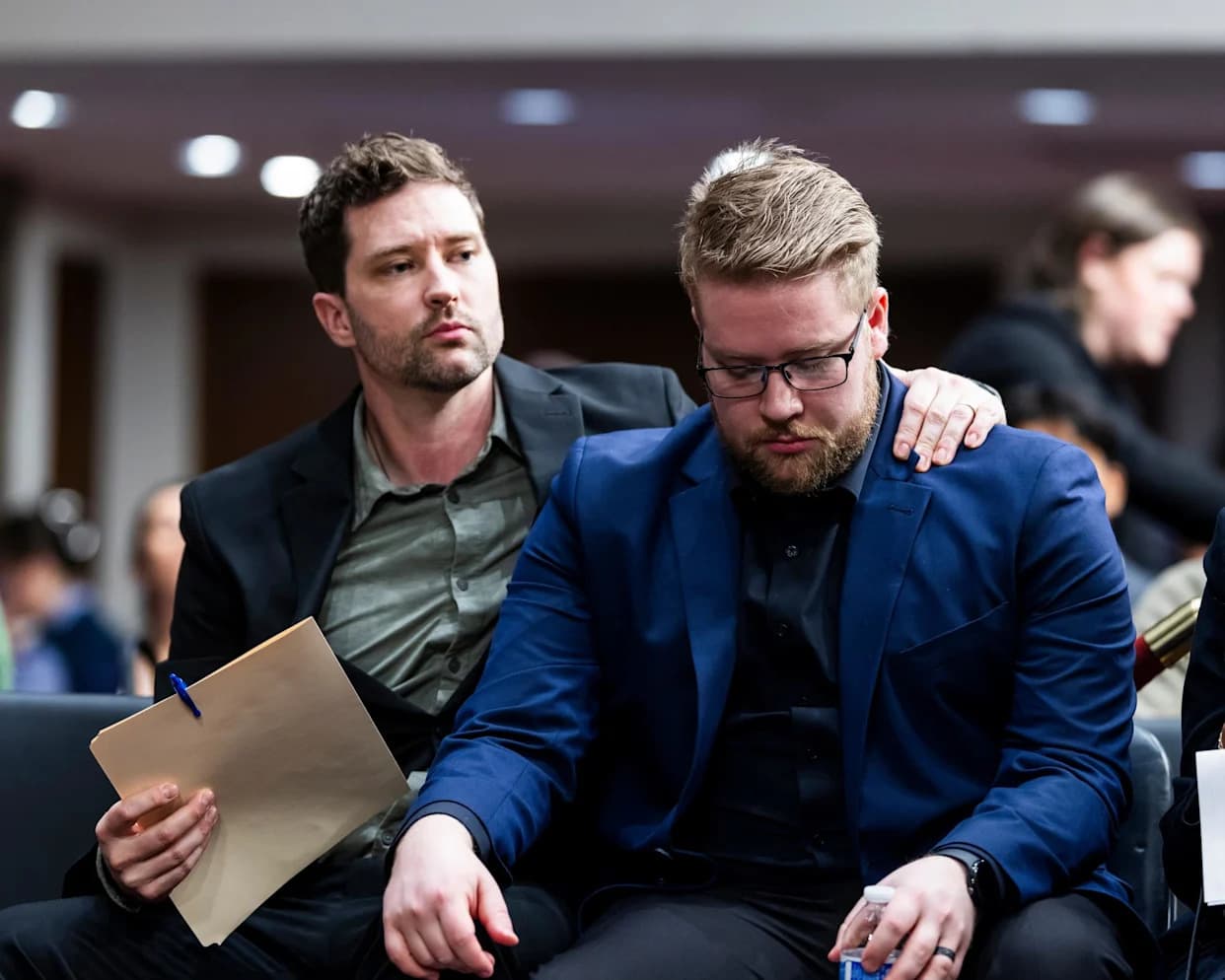
Martinez’s attorney, Christopher Parente — a former federal prosecutor — argued the government rushed to charge protesters to create a high-profile example and that, under closer review, the underlying case was weak. Parente also raised the possibility that allowing the agent’s SUV to leave the jurisdiction hindered proper forensic analysis and collision reconstruction.
The Department of Homeland Security initially issued forceful public statements characterizing Martinez and another defendant as "domestic terrorists" who had "ambushed" a Border Patrol vehicle. Judge Alexakis said such inflammatory public language, combined with conflicting accounts about the vehicle’s status (personal vs. fleet) and who approved its removal, contributed to concerns about the fairness of prosecution.
Judge’s actions and next steps
Judge Alexakis ordered the agent’s SUV returned to Chicago for potential examination and said she could not accept the government’s explanations about the vehicle and other discrepancies at this stage. Prosecutors moved to dismiss the case shortly thereafter.
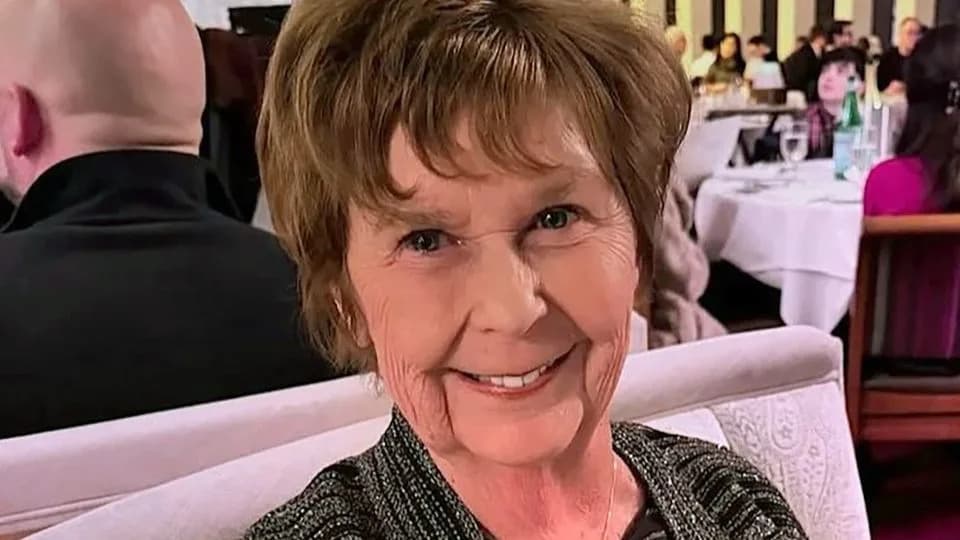
Martinez, who works as a teaching assistant, said she wants to put the ordeal behind her and return to her students. "I know the truth," she said. "I want to get back to my normal life."
Why this matters
The dismissal highlights two recurrent issues in cases involving police or federal agents: the importance of preserving physical evidence for independent analysis and the effect that off-record or informal communications can have on witness credibility. When either breaks down, prosecutors may decide that proving guilt beyond a reasonable doubt is unlikely.
Observers also noted that several other cases connected to the same enforcement operation have faced skeptical judges and dropped charges, underscoring judicial scrutiny of how these prosecutions were pursued.
Sources and voices quoted in this report: Marimar Martinez; defense attorney Christopher Parente; US District Judge Georgia Alexakis; legal analysts Joey Jackson and Elie Honig; Northwestern law professor Paul Gowder; DHS Assistant Secretary Tricia McLaughlin.
Help us improve.