House Speaker Mike Johnson said he is open to raising the threshold for filing censure resolutions after a contentious week in which several members forced votes to rebuke colleagues. Currently any single lawmaker can introduce a censure, and members also used privileged resolutions this week to compel immediate votes. Johnson said the conference has floated requiring a small group of members to back a censure so the tool is not abused, and he denied plans to change discharge petition rules. Any rule change would require deliberation and member consensus.
Speaker Johnson Open to Raising the Bar on House Censures After Tumultuous Week

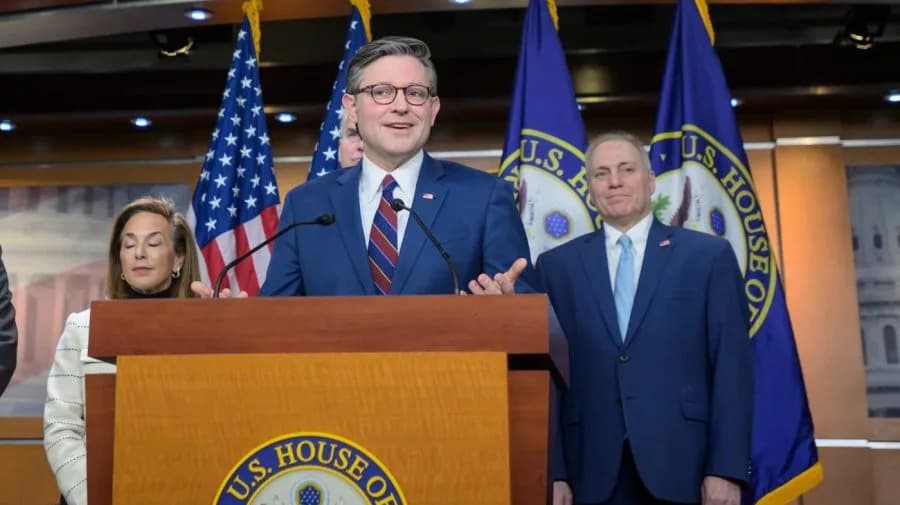
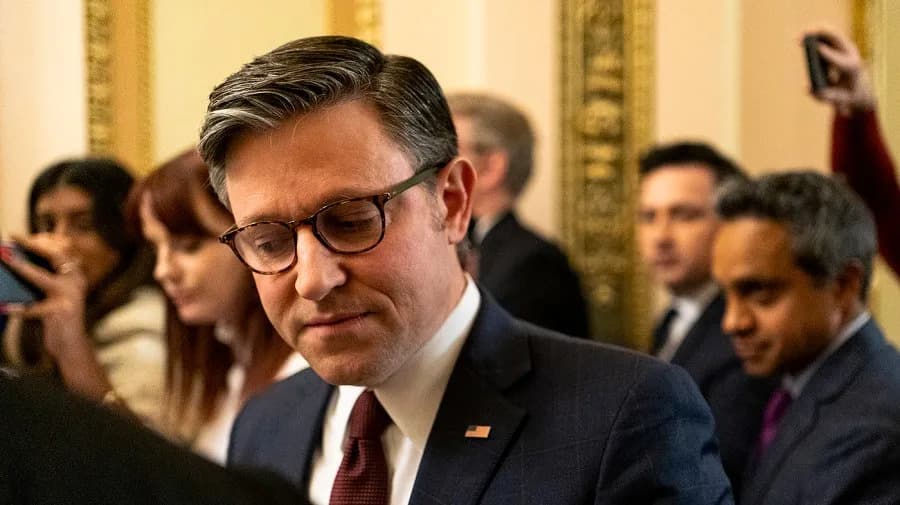
House Speaker Mike Johnson (R-La.) said he is open to changing House rules to make it harder for individual lawmakers to force censure resolutions after a volatile first week back following the 43-day government shutdown that began Oct. 1.
Why members are pushing for change
During the chamber's recent five-day legislative week, lawmakers forced three separate votes to rebuke colleagues — part of five total threats to demand censures. Under current practice, any single member can introduce a censure resolution, and this week members also used a procedural tool known as a privileged resolution to compel immediate votes.
What Johnson said
"There is a large groundswell of bottom-up consternation about that. The members are so frustrated by what this has become,"
Johnson told reporters he has heard proposals from members across the conference and is "open to those discussions," adding that he wants to "protect the institution" and reduce abuses of the censure process. He said conversations have focused on raising the threshold required to push a censure so that it would require agreement from more than a single lawmaker.
"I think most of the discussion thus far ... is that we should raise the threshold so that it can't just be a one-off individual quest by someone. You've got to have some agreement by some small group of members to do it," Johnson said. He suggested such a change would make censure a "more meaningful and useful tool, and not one that's abused." He stopped short of promising a specific rule change or a House-wide vote.
Discharge petitions and recent votes
Johnson also pushed back on reports that he planned to change rules governing discharge petitions — another mechanism rank-and-file lawmakers use to force floor consideration of measures. A discharge petition can bring a bill to the floor if a majority of House members sign it, bypassing leadership. Johnson said altering that process has not been part of discussions and is not under consideration.
The discharge process was recently used by Reps. Ro Khanna (D-Calif.) and Thomas Massie (R-Ky.) to compel a vote on a bill requiring the Department of Justice to release files related to Jeffrey Epstein. Johnson voted for that measure along with virtually the entire House, while expressing concern that the bill’s language might not adequately protect the privacy of victims and other innocents whose names could appear in the records.
Context and implications
Censures have traditionally been a rare, formal rebuke reserved for serious breaches of decorum. But lawmakers have relied on the tool more frequently amid heightened partisan tensions, prompting bipartisan frustration that the mechanism has been trivialized. Any change to the rules would require debate among members and careful drafting to balance accountability for misconduct with safeguards against opportunistic use.
For now, Johnson’s comments signal an openness to reform, with potential proposals aiming to require multiple sponsors or a small group of supporters before a censure can proceed — a change supporters say would help restore the censure’s weight and reduce disruptive, single-member challenges.
Help us improve.