Estonian intelligence warns that Russia is carrying out systematic sabotage and cyberattacks against European arms companies to hinder military aid to Ukraine. The service says it has prevented numerous attempts, and that attacks have been consistently high for three years. Officials also flagged a rise in explosive incidents — including a foiled drone attack at Leipzig Airport — and urged defence firms to boost cyber and physical security.
Estonian Intelligence Warns Russia Is Systematically Targeting European Arms Firms
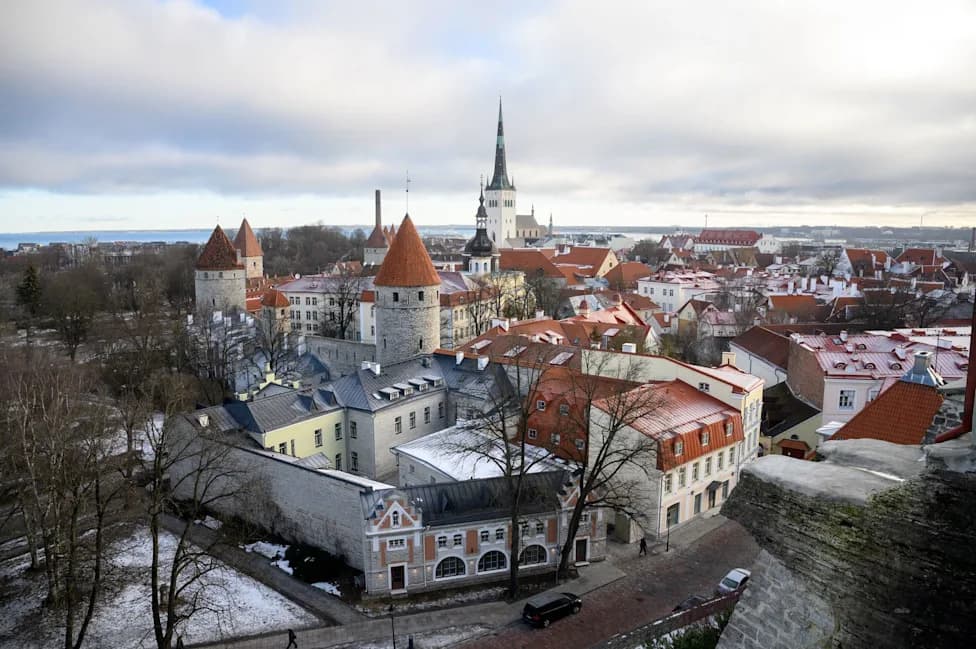
FILE PHOTO - A View from Domberg of the Old Town of Tallinn, the capital of Estonia. (is associated with: «Estonian intelligence boss warns Russia targeting European arms firms») Bernd von Jutrczenka/dpa
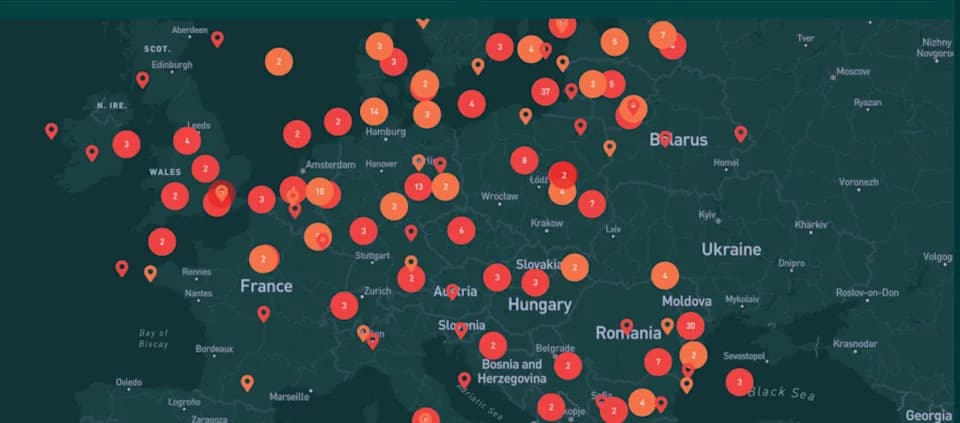
Estonian intelligence officials say Russia is increasingly conducting "systematic" sabotage attempts and cyberattacks against European defence companies, aiming to disrupt supplies of military aid to Ukraine.
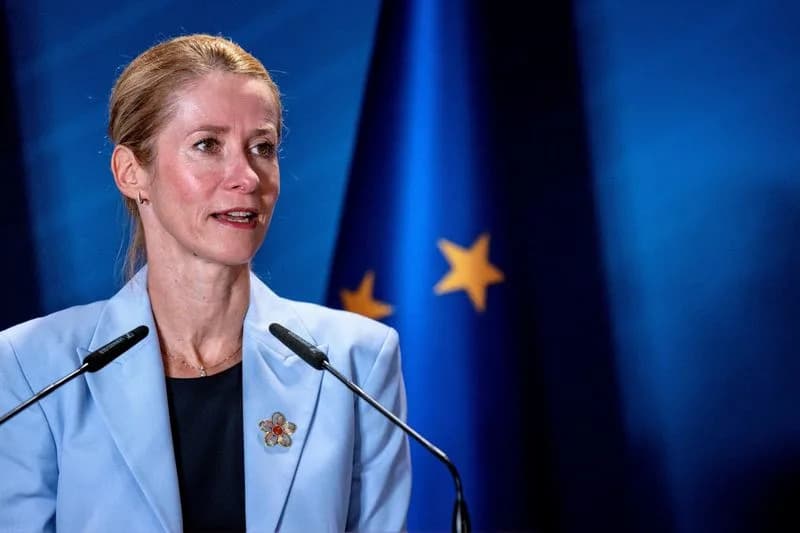
Margo Palloson, head of the Estonian Internal Security Service, told broadcaster ETV that the campaign has shifted from symbolic targets to businesses in the arms industry. Estonian services have thwarted a "significant" number of attempted sabotage acts and related intrusions in recent years, Palloson said.
Rising Threats and Explosive Incidents
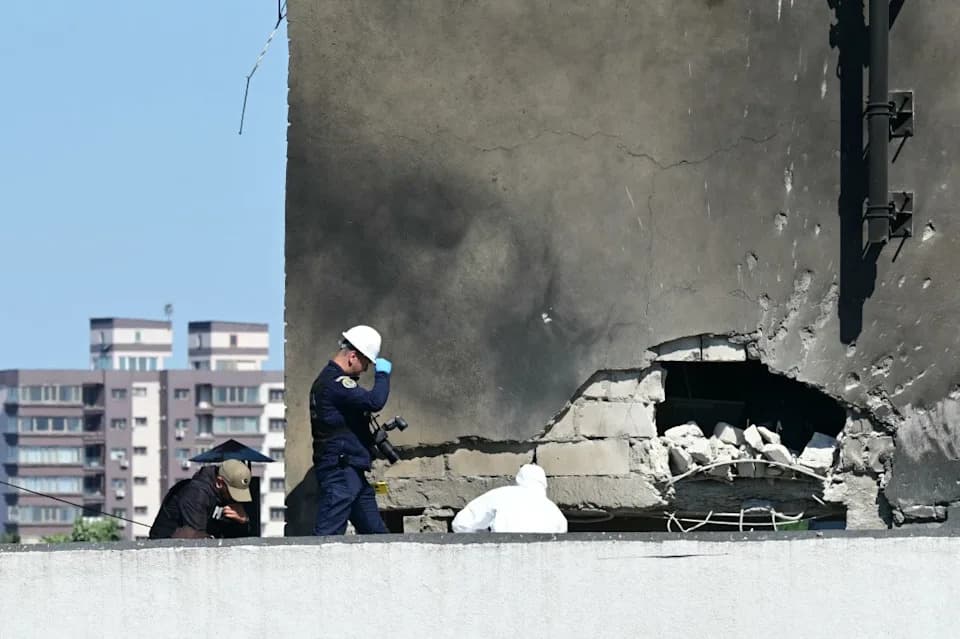
While the overall tempo of attacks has remained high over the past three years, the threat picture has intensified following a rise in incidents involving explosives. Palloson pointed to a foiled attack involving an explosive-laden drone at Germany's Leipzig Airport as an example of the growing risk.
Accusations, Denials and Recommendations
On Tuesday, Estonia formally blamed Russia for an arson attack on Milrem Robotics, a defence manufacturer that produces unmanned systems used in Ukraine; Moscow has rejected Tallinn's accusations. Palloson urged all defence industry companies — particularly those supplying equipment to Ukraine — to strengthen their cyberdefence measures and harden physical security.
Practical steps recommended: improve network segmentation and patching, increase monitoring and incident response capabilities, and review physical access controls for sensitive facilities.
Estonia, a Baltic EU and NATO member that borders Russia, remains a vocal supporter of Ukraine as the conflict continues. The intelligence service's warning highlights a broader trend of state-linked interference and transnational efforts to hinder military support for Kyiv.
Help us improve.