Health officials in England's South West are urging freshers to get two doses of the MenB vaccine before term, as first-year students face about a sevenfold higher risk of meningococcal disease. Nearly 6,500 doses have been given so far across Somerset, Wiltshire, Gloucestershire and Bristol under a one-off NHS programme. The MenB jab protects against most—but not all—meningococcal strains; two doses offer the best protection. First doses are available until 31 December 2026, and second doses until 31 March 2027.
South West Freshers Urged To Get Free MenB Jab Ahead Of Term
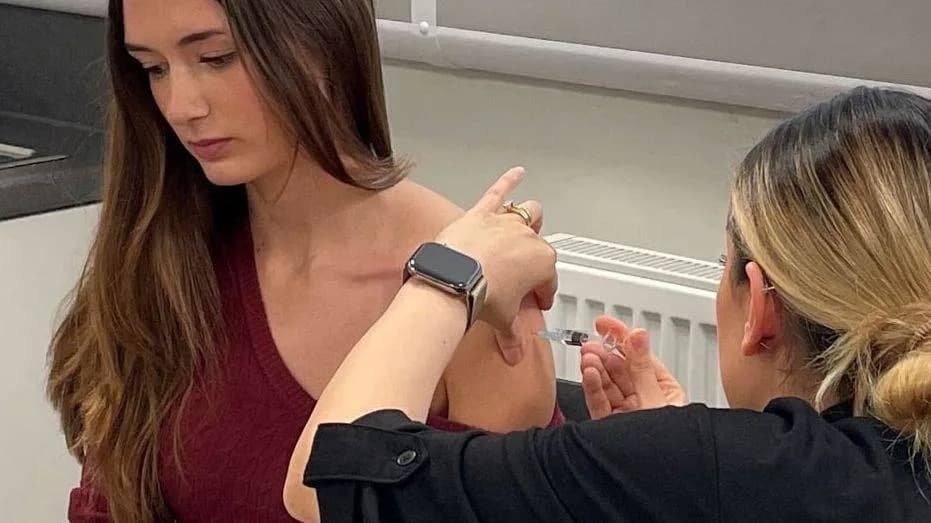
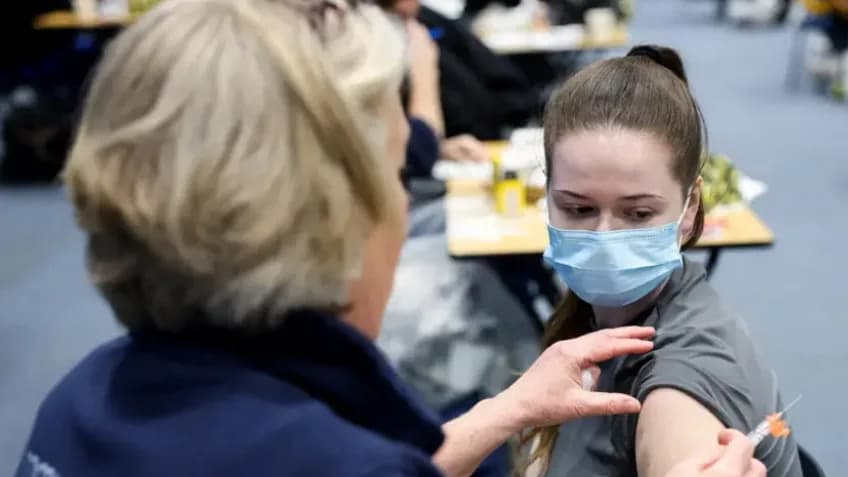
So far, nearly 6,500 doses of the MenB vaccines have been administered across Somerset, Wiltshire, Gloucestershire and Bristol [BBC]
Health officials in England's South West are urging incoming university students to receive two doses of the meningitis B (MenB) vaccine before term starts as part of a targeted, time-limited NHS programme.
The UK Health Security Agency (UKHSA) warns that first-year students face around a sevenfold higher risk of meningococcal disease than other young people of the same age, making early vaccination particularly important for those starting higher education.
To date, nearly 6,500 MenB doses have been administered across Somerset, Wiltshire, Gloucestershire and Bristol under the one-off campaign. Matthew Dominey of NHS England South West said:
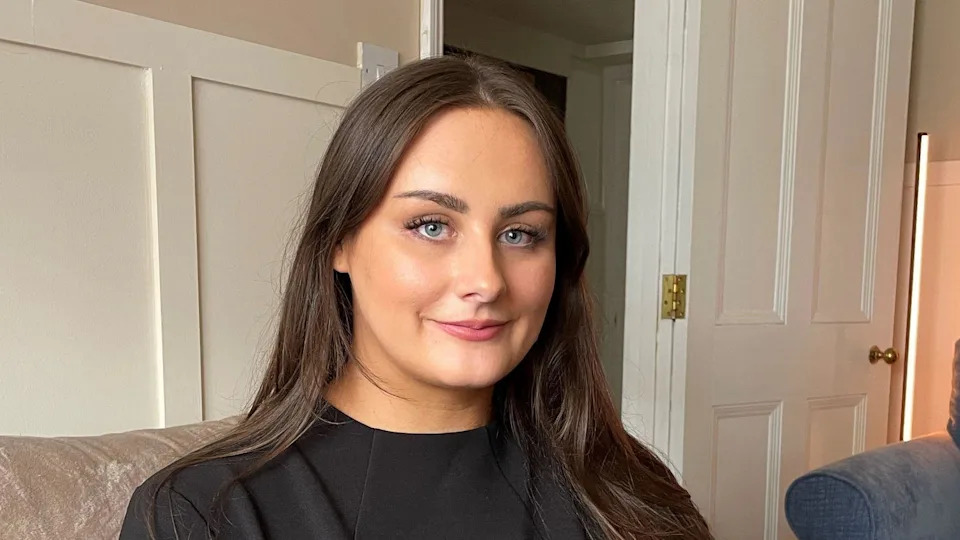
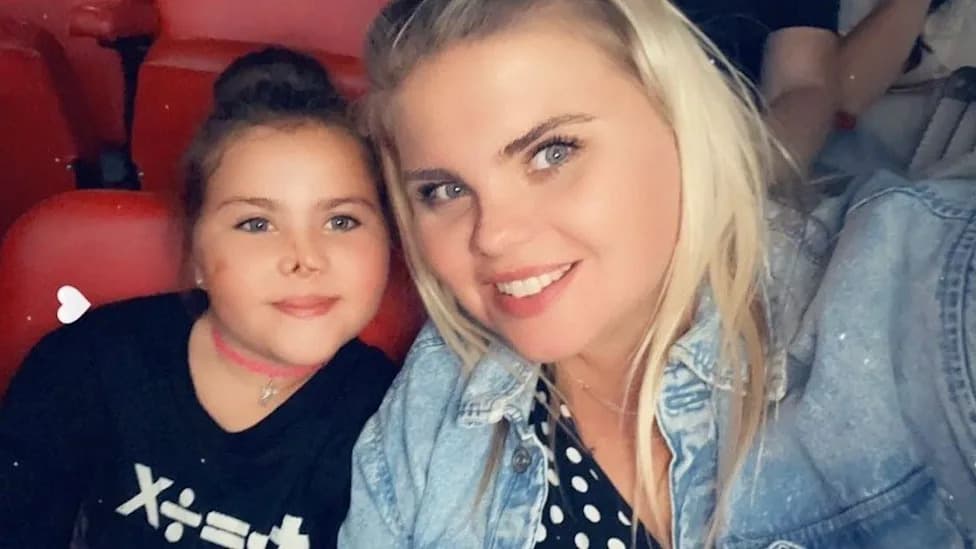
Despite having the MenB vaccine, Tiff O'Connor still contracted MenB and encephalitis at university [BBC]
'MenB can be life-threatening, so it is vital that those eligible take up the offer of getting vaccinated.'
Survivor Story
Tiff O'Connor, from South Gloucestershire, was 20 when she developed meningitis during her first year at university in Bristol. Her illness progressed very quickly: she was found convulsing at home, rushed to intensive care and put into a medically induced coma. When she woke she was temporarily paralysed from the neck down and told she might never walk again; she took her first steps three and a half months later.
Tiff had previously received the MenB vaccine but still contracted MenB and encephalitis while at university. Clinicians told her the vaccine likely helped her immune system hold off the infection long enough to reach treatment: 'My immune system was able to recognise the infection and I was able to fight it.'
What The Vaccine Covers — And What It Doesn't
The UKHSA notes the MenB vaccine protects against most meningococcal B strains but not all causes of meningitis or septicaemia. Common symptoms to watch for include a high fever, cold hands and feet, severe headache, vomiting, agitation or confusion and a rash. Anyone with worrying symptoms should seek urgent medical attention.
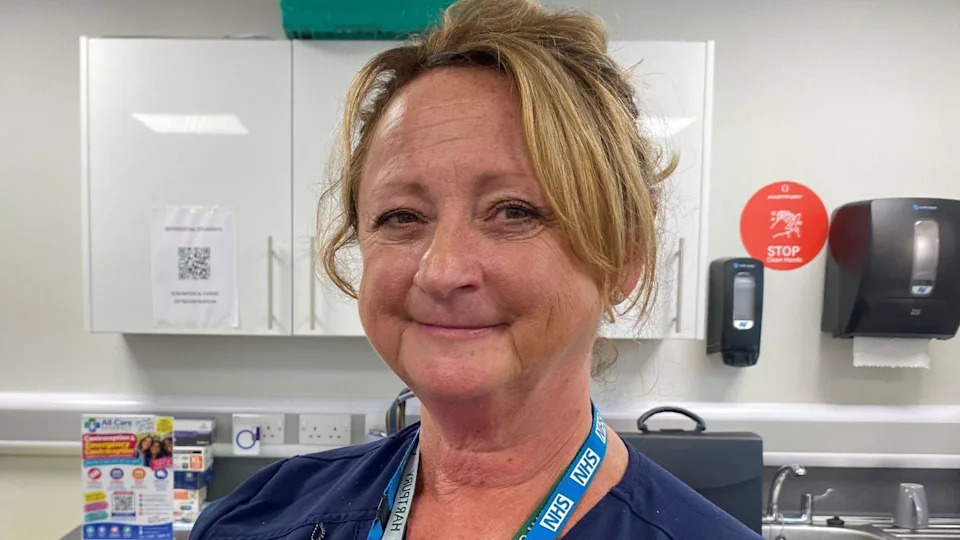
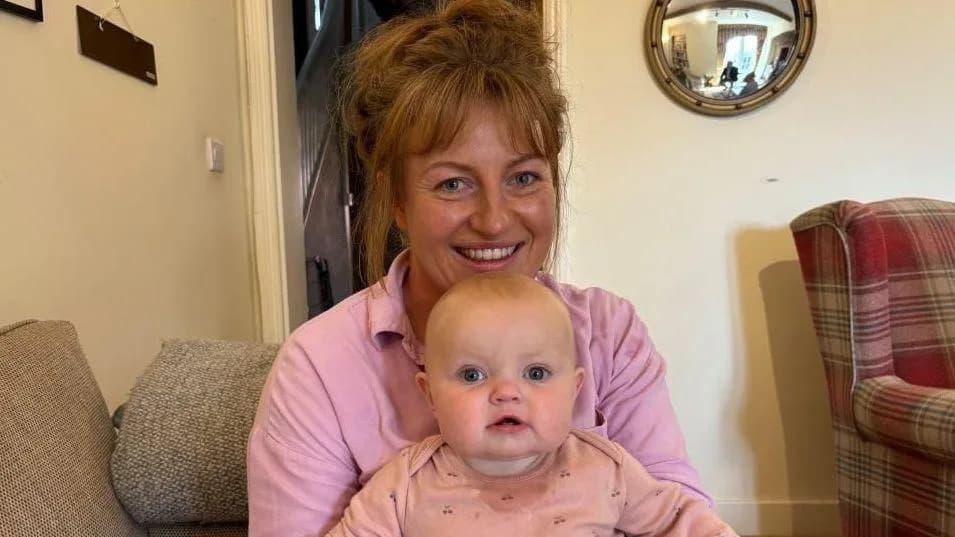
Sarah Gallagher, said students and young people are particularly at risk [BBC]
Why This Campaign Was Launched
Earlier this year, an outbreak of MenB among students in Kent was described by officials as 'unprecedented and explosive', with 29 confirmed or suspected cases and two deaths within weeks. In response, health authorities launched a 'one-off, time-limited' vaccination drive prioritising school leavers and first-year students—the groups at highest immediate risk.
Sarah Gallagher, NHS Gloucestershire's vaccine programme clinical lead, said students are particularly vulnerable because they live and socialise in close proximity: 'You need to be in close proximity to catch it, sharing a glass, sharing your vape, being in close contact with somebody.'
Unlike the MenACWY vaccine, which is offered in schools, MenB was only added to the broader childhood vaccination schedule from 2015. Many people now leaving school therefore missed routine MenB immunisation—hence the one-off programme.
How To Get Vaccinated
Young people can book MenB vaccinations at participating high-street pharmacies and NHS clinics across England. Two doses provide the best protection: first doses are available until 31 December 2026, with second doses available until 31 March 2027. Eligible students and school leavers are encouraged to take up the offer to reduce the risk of severe illness and campus outbreaks.
For more local updates and booking information, contact your regional NHS services or local health protection teams.
Help us improve.