Proposal In Brief: The Trump administration has proposed rolling back federal discipline protections in Head Start, potentially making it easier to suspend or expel preschoolers and shifting discipline policy to state and local rules. Why It Matters: Only a minority of states have protections aligned with Head Start; advocates warn that children — particularly Black children, boys, and those with disabilities — could face higher exclusion and lose access to mental-health supports and developmental screenings. Next Step: A 60-day public comment period on the proposed rule is open through Oct. 6.
Proposal Would Make It Easier To Suspend Or Expel Head Start Children, Advocates Warn
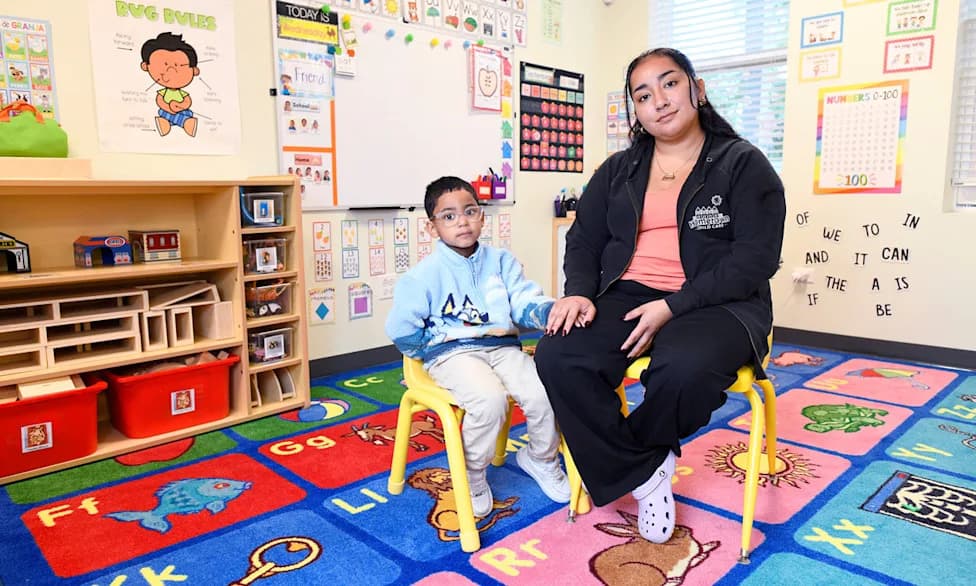
Around the time her son Xavier turned two, Joanna Isitt and Early Head Start staff noticed a change: the normally cheerful toddler began preferring to play alone and sometimes bit or hit classmates. Because Isitt’s center in Aurora, Illinois, connected the family with a social-emotional and mental health team, Xavier received supports at school and at home that helped him improve.
Those services — and the federal rules that make them routine in Head Start — are at the center of a policy fight. The Trump administration has proposed a federal rule change that would remove or relax national discipline standards in Head Start, the 61-year-old anti-poverty early childhood program, and shift more responsibility to state and local licensing systems.
What the Proposal Would Change
The rule would roll back federal guidance that currently limits exclusionary discipline for Head Start children. Under existing regulations, expulsion from Head Start is broadly banned, and temporary suspensions are allowed only as a last resort after tiered interventions — such as working with mental health consultants, collaborating with families and pursuing community supports.
Under the proposed change, programs would be directed to follow state and local licensing requirements when setting discipline policies. Advocates say that could leave many Head Start families without the consistent protections and supports they now receive.

State Variation And The Data
A recent analysis found only 14 states plus Washington, D.C., have laws or policies aligned with current Head Start limits on exclusionary discipline; researchers at the Children's Equity Project at Arizona State University say only about half of those protections clearly cover all children under age five, and only Minnesota explicitly includes Head Start in its regulations. Roughly 70% of states would offer fewer guardrails if the federal rule were rescinded.
Federal 2023–24 data analyzed by The 74 and The Associated Press show wide differences across states: South Carolina reported suspending 604 public preschoolers a total of 1,181 times that year, while Minnesota reported zero suspensions. Florida reported expelling 466 public preschoolers, the highest number in the dataset. Because only a small share of Head Start programs operate inside public schools, these figures largely reflect non-Head Start settings that lack federal exclusion protections.
Why Advocates Are Concerned
Advocates and early childhood experts say rolling back federal standards could increase suspensions and expulsions and reduce preventive supports that keep behaviors from escalating. Those supports typically include lower adult-to-child ratios, required mental health consultations, timely developmental screenings to identify at-risk children, and staff planning time and breaks.
"If the state of Florida doesn't have standards related to suspension and expulsion, and that's what the administration wants us to go by … I think as a country we should all be very concerned that we're taking our most vulnerable children and families and potentially putting them in an environment where they're going to have no protections," said Wanda Minick, executive director of the Florida Head Start Association.
Research links early exclusionary discipline to worse outcomes — lower academic achievement, a reduced likelihood of graduating high school and poorer mental health. Studies also show racial and gender disparities: Black preschoolers, boys and children with disabilities are disproportionately suspended and expelled.
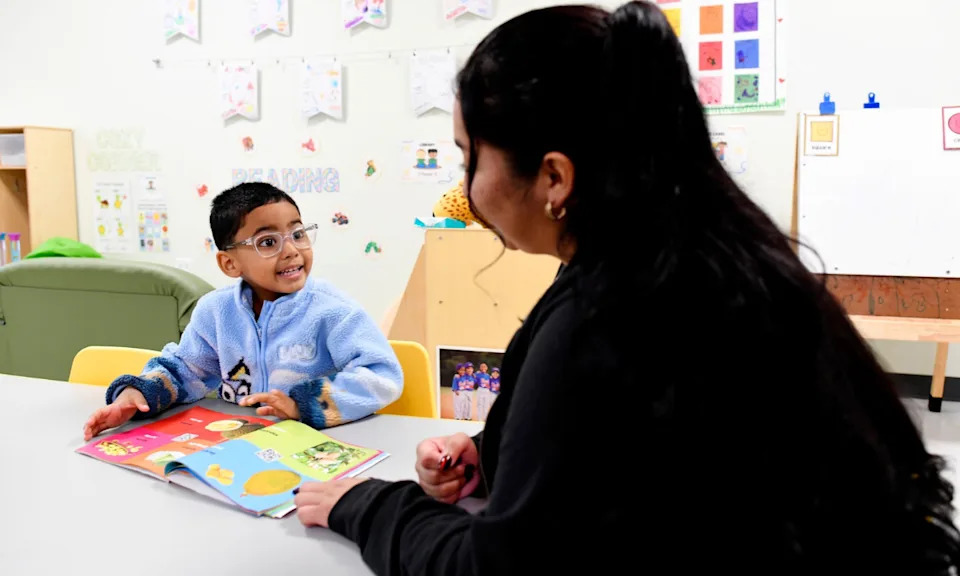
Joanna Isitt reads with her son, Xavier, in her Head Start classroom at Hometown Child Care on Wednesday, Sept. 23, 2026, in Aurora, Ill. (AP Photo/Octavio Jones
Walter Gilliam of the Buffett Early Childhood Institute warns that excluded children "just get passed around from program to program to program," which harms both children and programs. His earlier research found preschool expulsion rates far exceeded those in K–12 settings and that access to behavioral consultants reduced expulsions.
Administration Response And Next Steps
A Department of Health and Human Services spokesperson told The 74 the proposed rule "would provide greater flexibility to Head Start programs and does not mandate changes to their current practices," adding that programs "may continue to follow their existing standards and disciplinary practices if those approaches work for the children and families they serve."
Advocates counter that written protections matter only if programs also have the resources to meet them. Natalie Renew of Home Grown said Head Start is often one of the few places that combines both rules and supports for children with challenging behaviors; weakening either could leave families with nowhere to turn.
Head Start serves nearly 700,000 predominantly low-income children and families. A 60-day public comment period on the proposed rule is open through Oct. 6.
For parents like Isitt, the stakes are personal. "He loves coming to school, he loves seeing his friends," she said of Xavier. "If he were to get kicked out for biting I don't think he would understand. He would ask, 'Mommy, why aren't we going to school?'"
AP data reporter Sharon Lurye contributed to this report.
Help us improve.