Head Start pairs preschool education with family supports — job training, parenting coaching, home visits and hiring preferences — that advocates say are essential to lifting families out of poverty. The Trump administration has proposed loosening many of these mandates to give local programs flexibility and expand enrollment by up to 236,000 children without new funding. Critics argue the changes would force cuts to teachers and home‑visiting staff, weaken parent influence, and dilute the program's two‑generation approach.
Head Start's Two‑Generation Model at Risk: Advocates Warn Trump Proposal Could Weaken Parent Supports

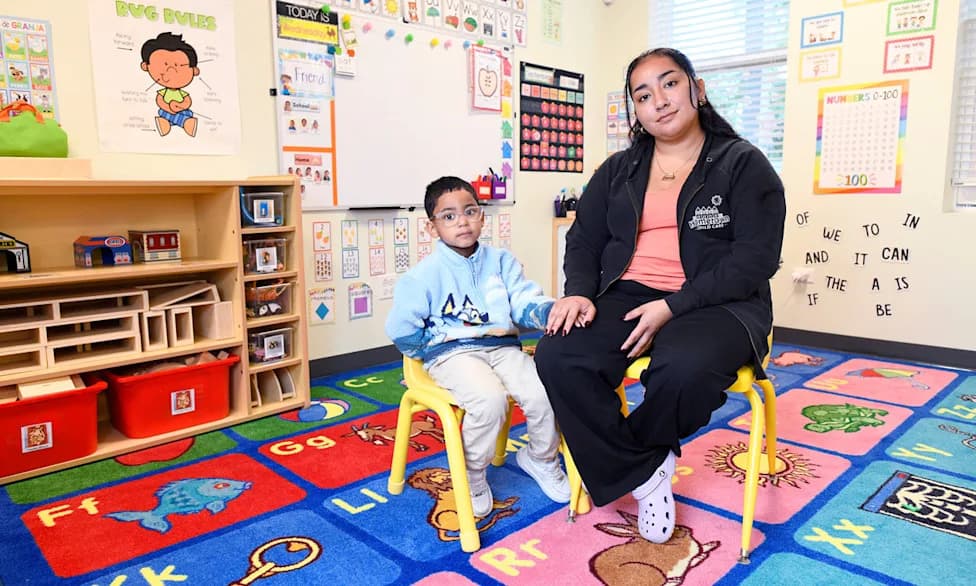
Cassie Reed moved with her two young children from a domestic‑violence shelter into a third‑floor apartment in Spokane, Washington, and noticed a soon‑to‑open Head Start preschool on the building's ground floor. For Reed, the program became a lifeline.
Much of Reed's first 30 years was marked by abuse and neglect — first by her biological mother, then in foster care, and later through turbulent relationships as an adult. She lost custody of three older children about a decade earlier, in part because she lacked stable housing. By March 2022, after finally securing transitional housing, Reed says she had almost no confidence in herself.
None of that history was visible this September when she traveled to Washington, D.C., to tell lawmakers how enrolling her children in Head Start changed their lives.
Reed credits Head Start with helping her recover from decades of trauma. Staff connected her with job training, coached her on parenting, helped secure disability accommodations for her son at elementary school and encouraged her to join the county council that oversees Head Start programs in Spokane County — a council she now leads.
“Head Start was a warm blanket in a time where I constantly felt cold,” Reed said.
What the Program Does
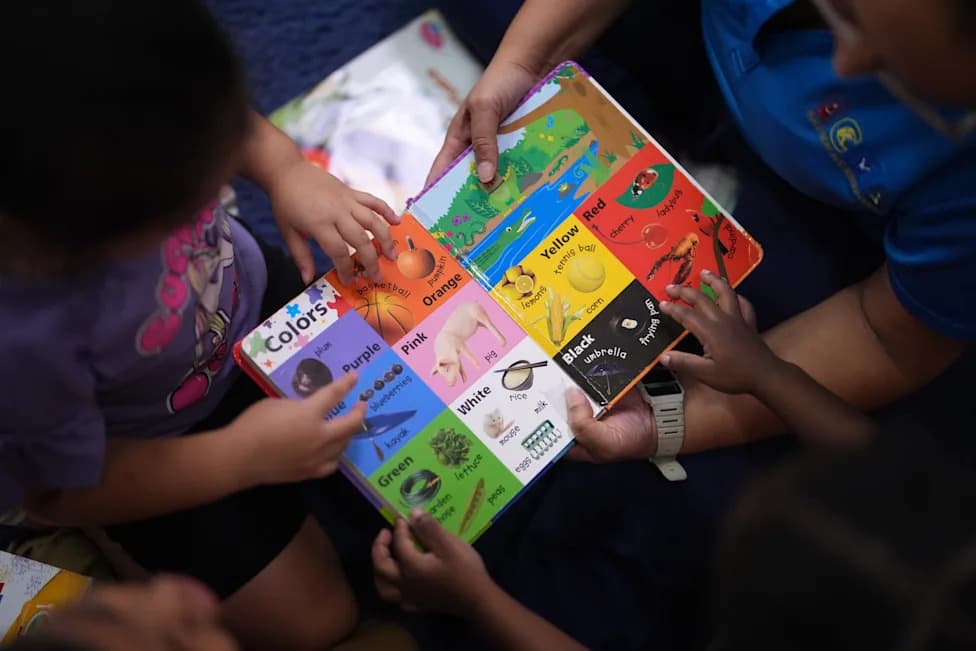
Head Start is a six‑decade‑old federally funded preschool program that takes a two‑generation approach: it promotes early learning for children while providing services to strengthen parents and caregivers. Those family supports have included goal‑setting assistance, job training, parenting instruction, home visits, help navigating public benefits like Medicaid, and hiring preferences for current and former Head Start parents.
Program operators are required under current regulations to engage parents actively — from frequent classroom access to parent committees and policy councils that help shape local programming — and to conduct at least two home visits and student‑teacher conferences each year.
Proposed Federal Changes
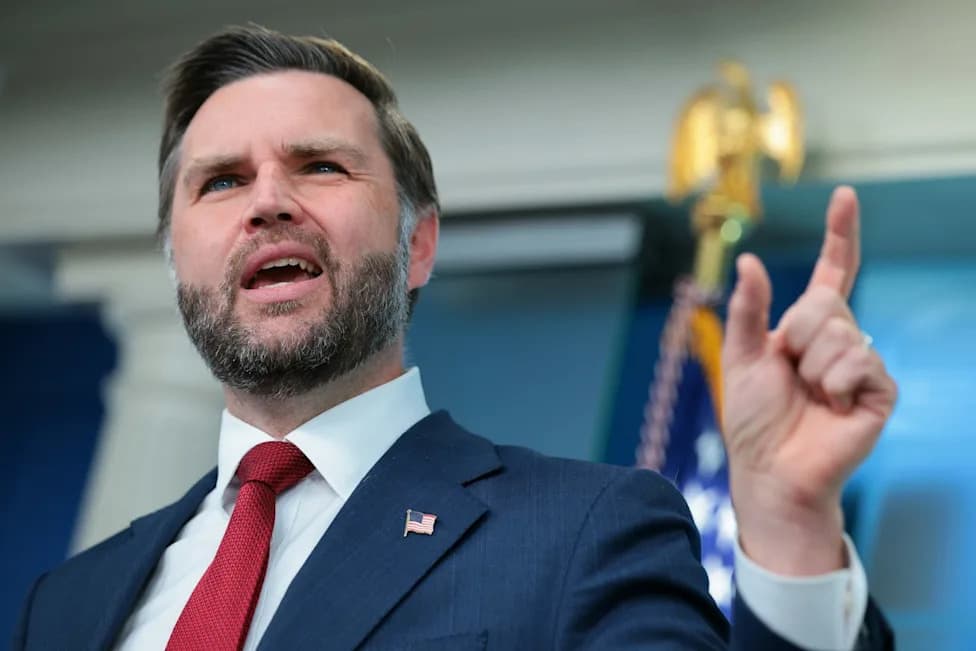
Last month, the Trump administration proposed rolling back many of those regulatory mandates, arguing that giving local programs more flexibility would increase efficiency and allow Head Start to serve more children without additional federal funding.
Key elements of the proposal include making goal‑setting optional; removing hiring preferences for Head Start parents; relaxing open‑door classroom policies; eliminating the twice‑annual home‑visit and conference mandate; reducing the specificity of how programs must engage families; and weakening the authority of parent‑led policy councils. The proposal would also defer to state early‑learning rules on class size and caseloads for family support specialists.
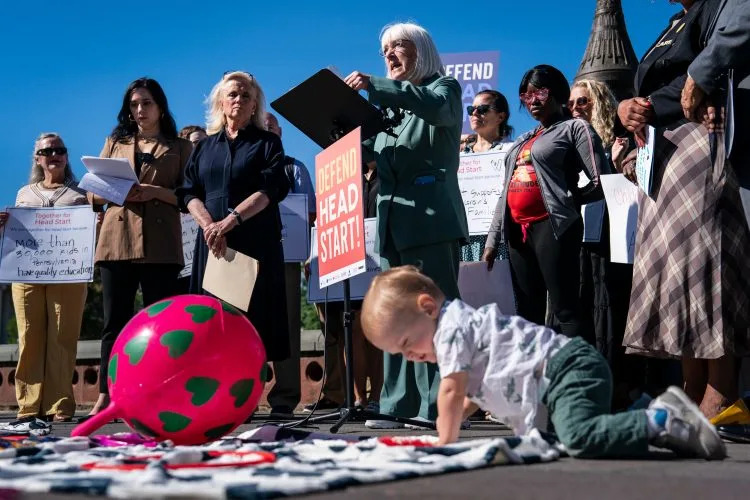
Sen. Patty Murray, D-Wash., members of Congress, parents and national child advocates speak about the Trump Administration's proposed changes to the Head Start program at a news conference outside the Capitol, Tuesday, Sept. 15, 2026, in Washington. (AP Photo/Jabin Botsford)
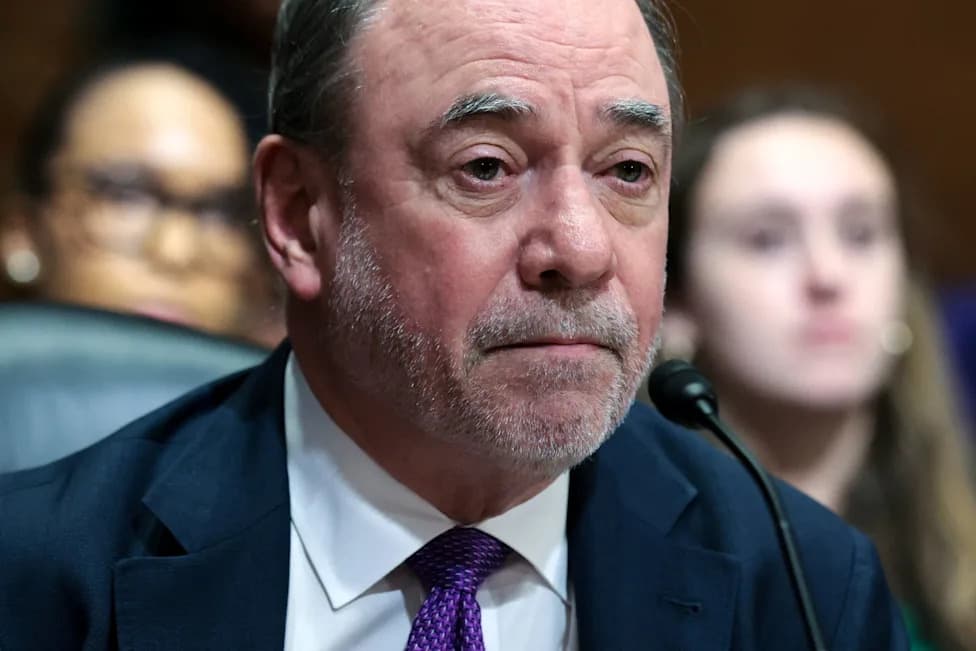
“A one‑size‑fits‑all mandate from Washington cannot fully account for the realities facing these 1,600 grantees,” Alex Adams, director of the Department of Health and Human Services office that oversees Head Start, told reporters. “Federal mandates can certainly hinder local decision‑making, drive up costs and limit the program's reach.”
The department says the changes would give programs room to make thoughtful adjustments when local circumstances call for them and could enable Head Start to add up to 236,000 slots without new federal funding.
Critics' Concerns
Advocates and former participants say the proposed reductions would undercut what has long made Head Start effective: integrated supports for families that address housing instability, joblessness, health needs and parenting skills alongside classroom learning for children.
They warn that, with more children and no meaningful funding increase, programs could be pressured to increase class sizes, eliminate teacher positions and cut home‑visiting staff. The administration's own estimates indicate adding 236,000 slots could require eliminating roughly 25,000 teacher jobs, enlarging class sizes and reducing by about three‑quarters the staff who provide in‑home education to new parents.
Advocates also worry that deferring to state regulations will lower standards because many states have less stringent requirements than current Head Start rules. Weakening parent committees and policy councils could diminish parents' voice in program decisions.
Voices From The Field
Loukisha Smart‑Pennix of the YWCA of Metropolitan Chicago — who attended Head Start as a child and later returned as a parent and employee — described how the program supported multiple generations of her family. “It's always had that family connection,” she said, noting Head Start helped her mother find a job and later helped her pursue higher education and employment opportunities.
Reed fears the proposed changes could mean fewer stories like hers. During a Washington news conference, she told Sen. Patty Murray, a former preschool teacher, about the day she moved into transitional housing and discovered Head Start at the bottom of her apartment stairs.
“I had no idea how much it would change our lives,” Reed told the senator.
Bottom Line
The agency frames the proposal as flexibility to serve more children under budget constraints. Advocates say the tradeoffs would be steep: loosening family‑support mandates could reduce the program's ability to lift families out of poverty and weaken parents' influence over local programs. As debate continues in Congress and the public sphere, families and providers are watching to see whether Head Start will keep its two‑generation focus or evolve toward a narrower model of early education.
The Associated Press contributed reporting. AP is solely responsible for content. See AP.org for standards and funding disclosures.
Help us improve.