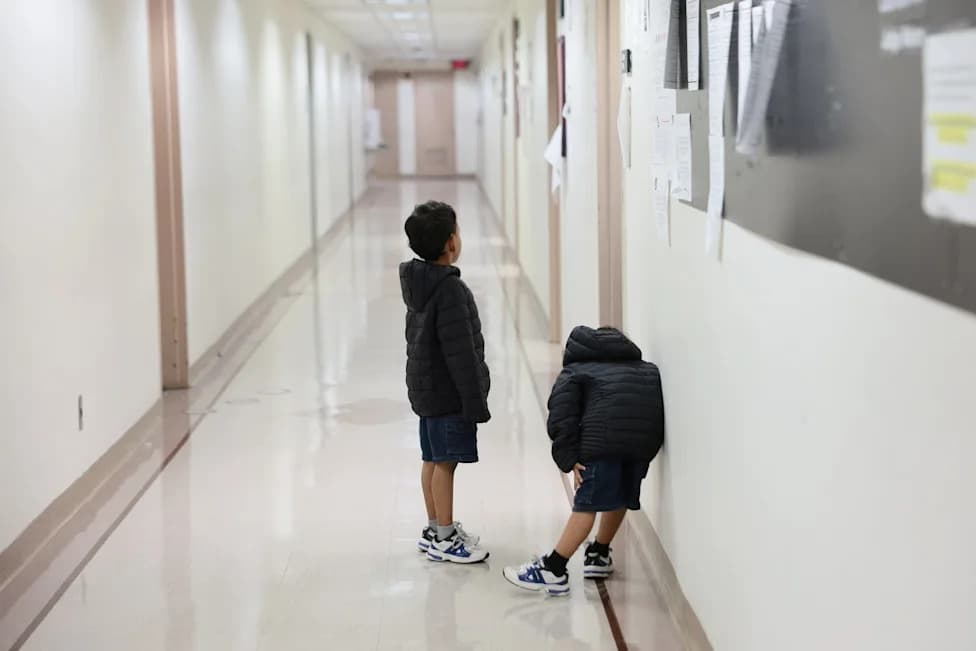
The Trump administration has proposed a Head Start rule that would require classroom instruction to be conducted in English, with limited waivers and Tribal-language exceptions. HHS argues earlier English exposure will aid school readiness and integration, while acknowledging substantial one-time costs — including nearly $47 million for replacing bilingual materials. Researchers and local educators counter that evidence favors bilingual and dual-language approaches and warn the change could weaken family engagement. Public comments on the proposal are due Oct. 6.
Bilingual Head Start in Immokalee Faces Proposed English-Only Rule
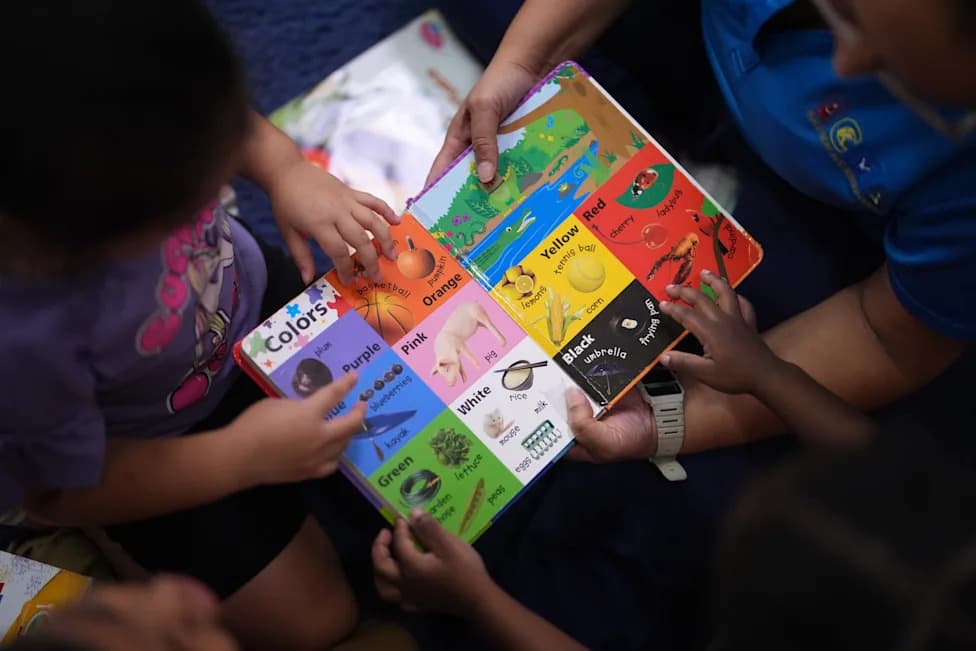
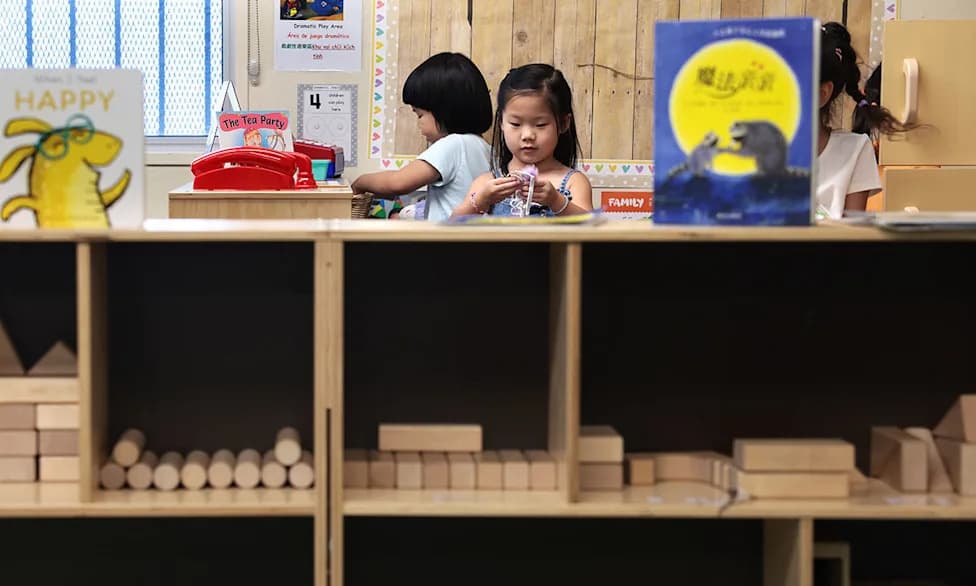
Children look through a book of first words at a Head Start preschool in Immokalee, Fla., Thursday, Sept. 10, 2026. (AP Photo/Rebecca Blackwell)(AP Photo/Rebecca Blackwell)
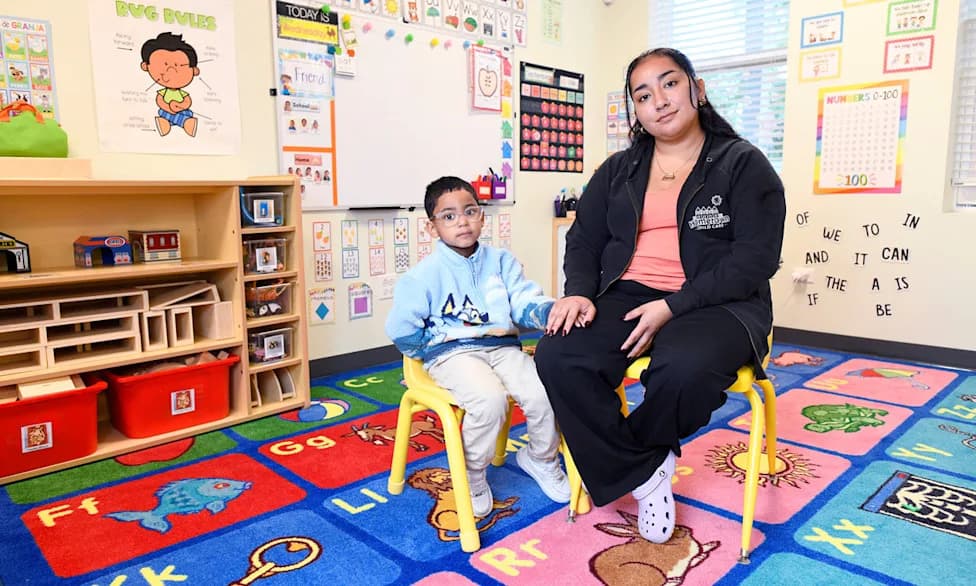
IMMOKALEE, Fla. — At a Head Start preschool in this agricultural community about 120 miles northwest of Miami, English and Spanish are woven into the daily rhythm: prayers and songs in English, directions and comfort in Spanish, and bilingual labels on toys and classroom posters.
After a brief prayer in English, a teacher announces in Spanish, "Hoy tenemos arroz. Eduardo, ¿puedes servir tu arroz, por favor?" ("Today we have rice. Eduardo, can you please serve your rice?"). A toddler takes a ladle and serves himself. Moments like this illustrate how Head Start teachers use both languages to teach routines, concepts and safety — a practice the department's proposed rule would alter.
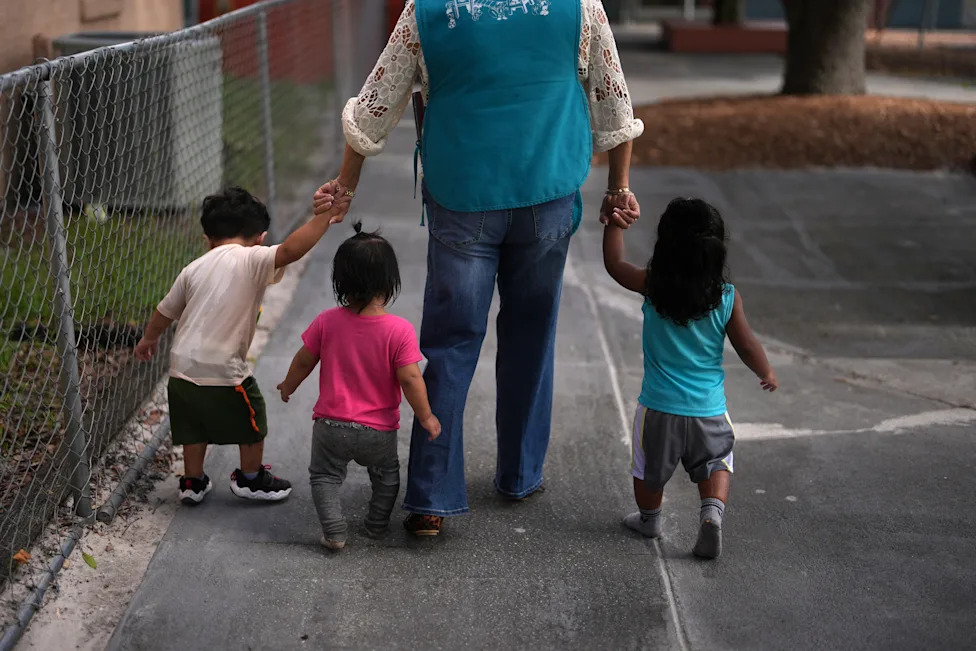
A teacher escorts young children back to their classroom at a Head Start preschool in Immokalee, Fla., Thursday, Sept. 10, 2026. (AP Photo/Rebecca Blackwell)(AP Photo/Rebecca Blackwell)
What the Proposal Would Change
The Trump administration has proposed a rewrite of Head Start standards that, if finalized, would require classroom instruction to be conducted in English, with limited waivers available and exemptions for certain Tribal-language instruction. The Department of Health and Human Services (HHS) says the change is intended to provide children an early foundation in English to improve future economic opportunities and community participation.
HHS also acknowledges the switch would carry costs: the agency estimates tens of millions of dollars in one-time expenses to replace curricula, books and classroom materials that include other languages, including a nearly $47 million line item for bilingual materials.
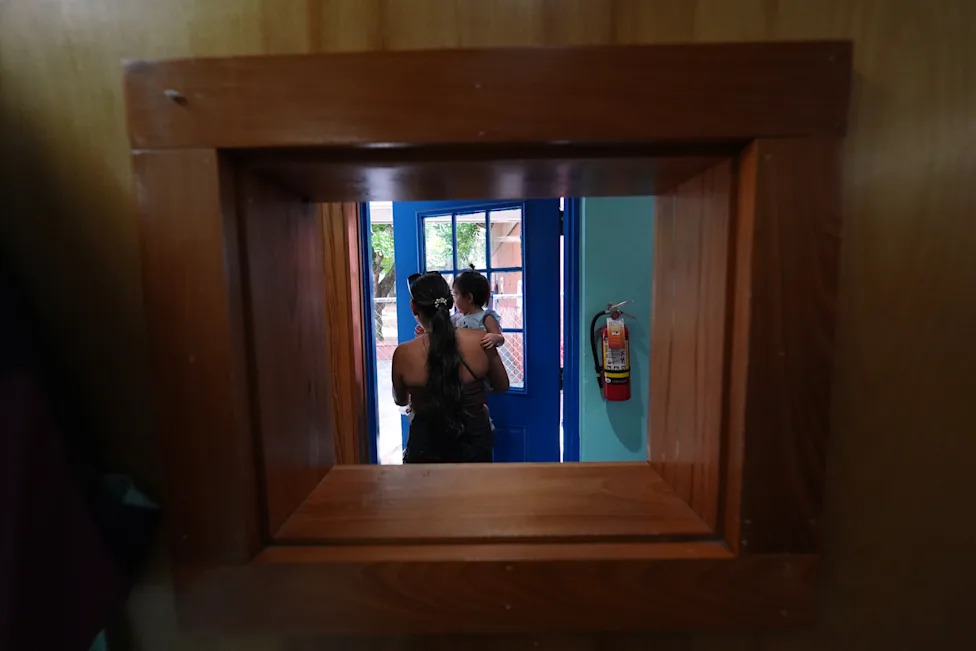
A mother picks up her young child from a Head Start preschool in Immokalee, Fla., Thursday, Sept. 10, 2026. (AP Photo/Rebecca Blackwell)(AP Photo/Rebecca Blackwell)
Local Practice: Planned Language Approach
At the Immokalee center — which serves more than 50 children, mostly from Guatemalan families, ages six months to 5 years — teachers follow Head Start's Planned Language Approach. Educators intentionally use a child's home language to build understanding and skills that then support learning English. For example, knowing the concept of "yellow" in Spanish helps a child map that concept to the English word without relearning the idea.
"A firm foundation in the English language" is critical to preparing kids for school, an HHS spokeswoman told The Associated Press. The Department pointed to an executive order designating English as the country's official language as part of the rationale for the proposed changes.
Researchers and Educators Push Back
Many child-development specialists dispute the administration's claim that English-only instruction produces better English outcomes. Michael López, a child psychologist who has led Head Start research projects for more than three decades, said there is no credible evidence that English-only classrooms improve academic results. He pointed to research showing bilingual and dual-language instruction often yields equal or better outcomes — including in subjects such as mathematics — and can strengthen home-language skills without sacrificing English development.
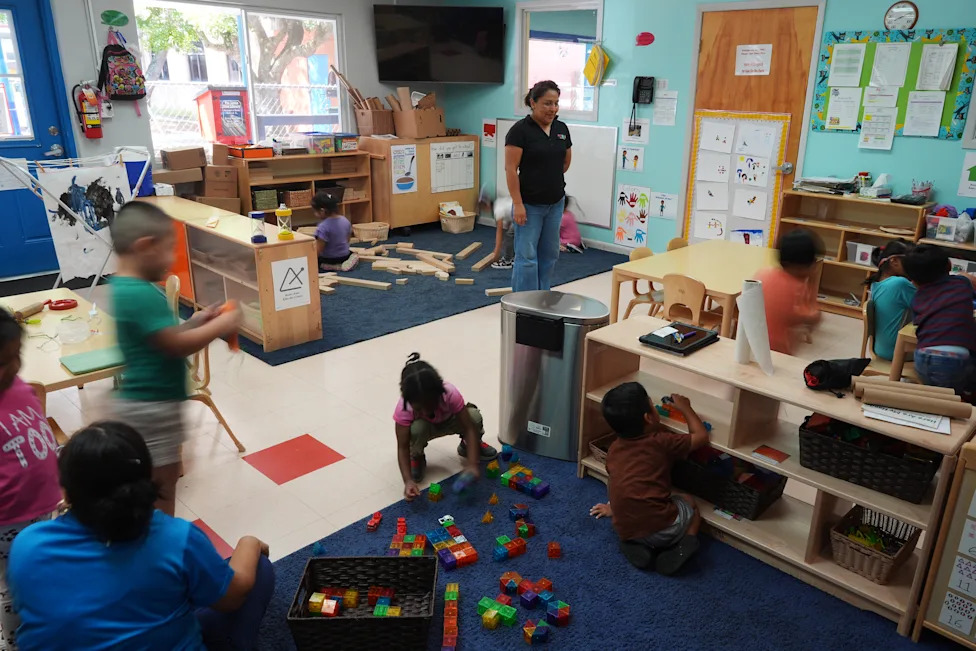
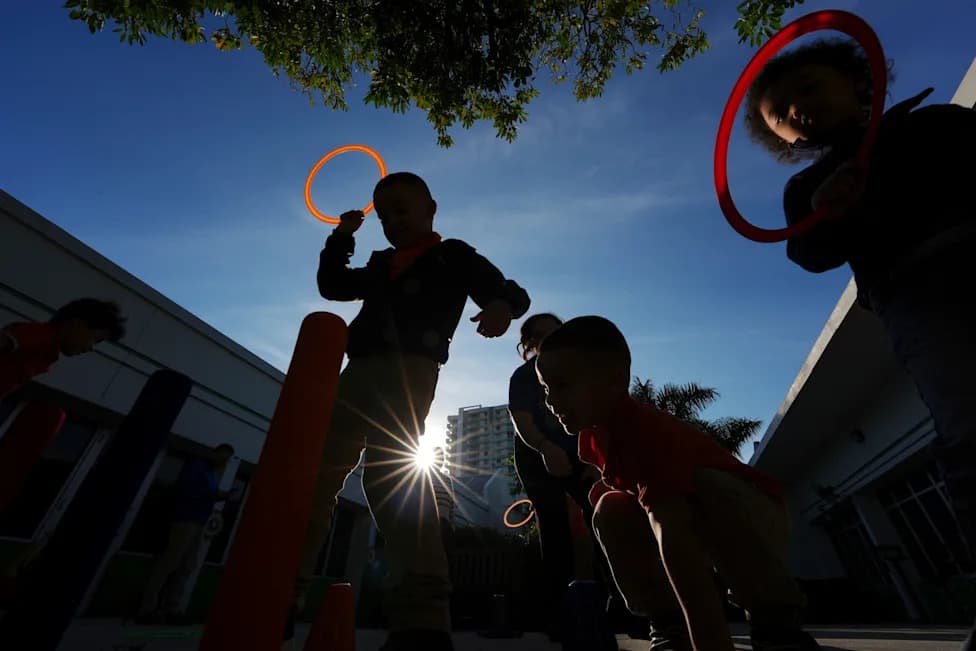
Children play at a Head Start preschool in Immokalee, Fla., Thursday, Sept. 10, 2026. (AP Photo/Rebecca Blackwell)(AP Photo/Rebecca Blackwell)
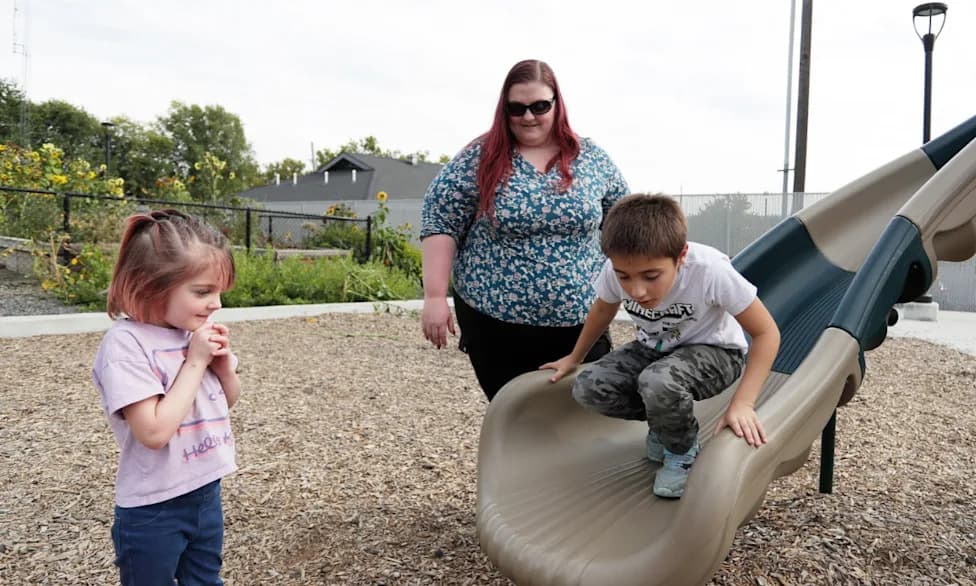
Local educators and program leaders also worry the rule would weaken family engagement. For decades, Head Start has required programs with large numbers of non-English-speaking children to hire bilingual staff, a regulation the administration proposes to eliminate. Program directors say removing that requirement could make it harder to communicate with parents and maintain the strong family relationships essential to early learning.
Everyday Consequences
Teachers at the Immokalee center send daily notes and hold regular home visits and parent-teacher conferences in Spanish to ensure families understand their children's progress. Under the proposal, some of these home visits could become optional and bilingual staffing requirements could be dropped — changes parents and staff warn would erode communication and trust.
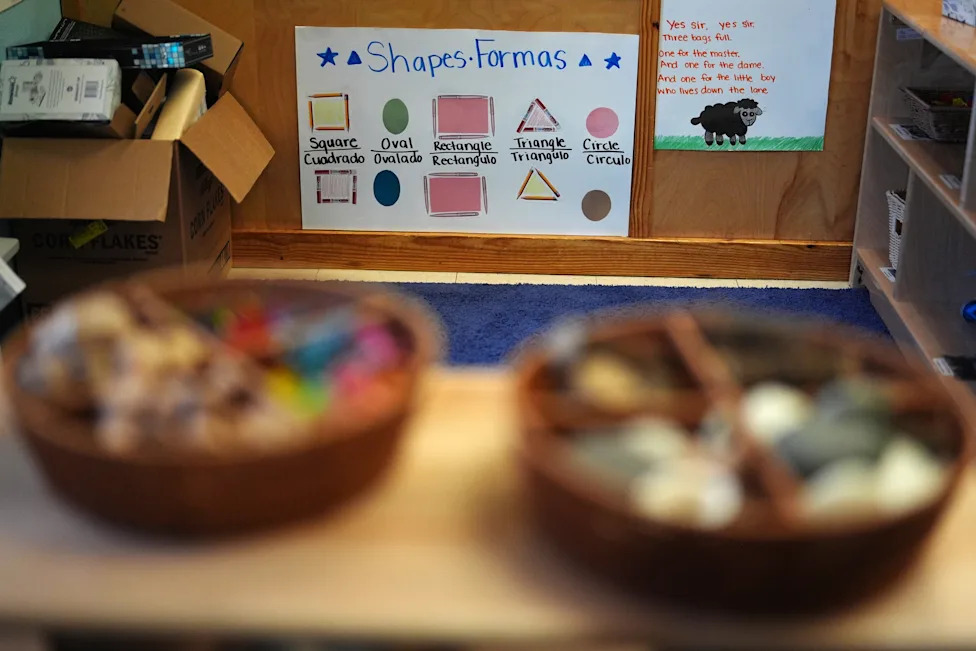
A poster shows common shapes labeled in both English and Spanish inside a classroom at a Head Start preschool in Immokalee, Fla., Thursday, Sept. 10, 2026. (AP Photo/Rebecca Blackwell)(AP Photo/Rebecca Blackwell)
The public comment period on the proposed rule is open through Oct. 6. So far, most submitted comments oppose the English-only element.
Reporting: The story was reported for The Associated Press by Alia Wong and Moriah Balingit. The AP's education coverage receives support from private foundations; AP retains editorial control and responsibility for all content.
Help us improve.