Head Start's federal standards have promoted social-emotional school readiness for more than 60 years, helping low-income children arrive at school prepared to learn. A federal proposal to rescind most Head Start regulations would replace consistent national rules with uneven state systems that often ensure only basic health and safety. Research shows Head Start produces lasting gains in behavior and emotional regulation; weakening those standards would deepen inequities and make school readiness a matter of ZIP code.
Rescinding Head Start Standards Would Strip Children of Crucial School-Readiness Skills

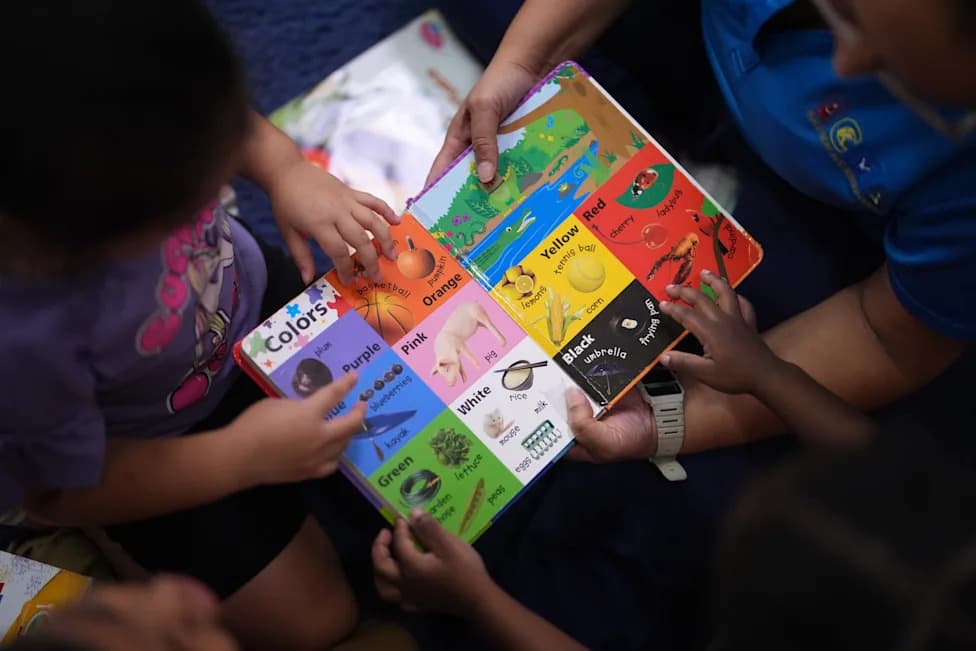
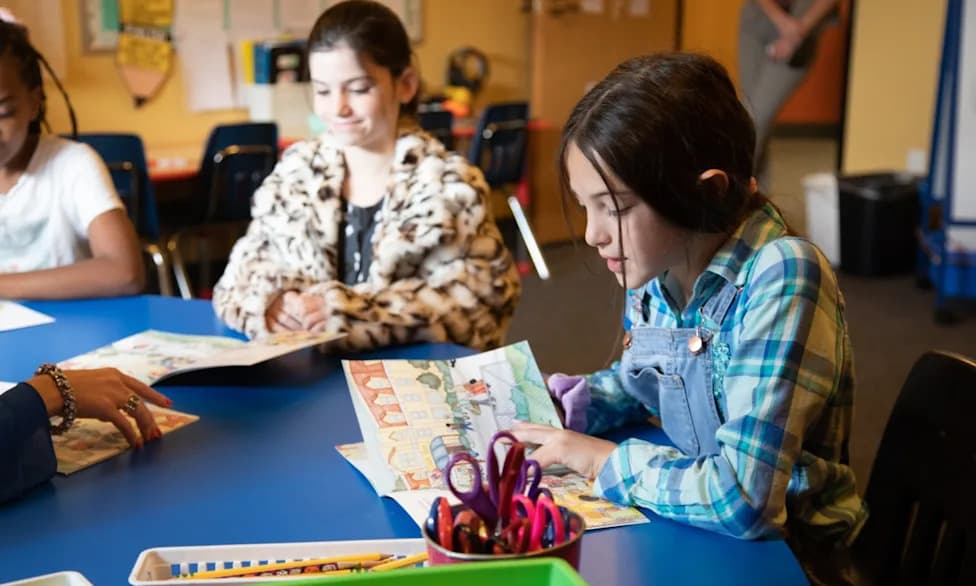
Ask kindergarten teachers what they most need from incoming five-year-olds and few will say the children must already read full sentences or count to 100. What matters most are children who can regulate strong emotions when a block tower collapses, share crayons with a classmate, follow multi-step directions, express frustration without shutting down and sustain attention in a busy classroom.
Why Social-Emotional Skills Matter
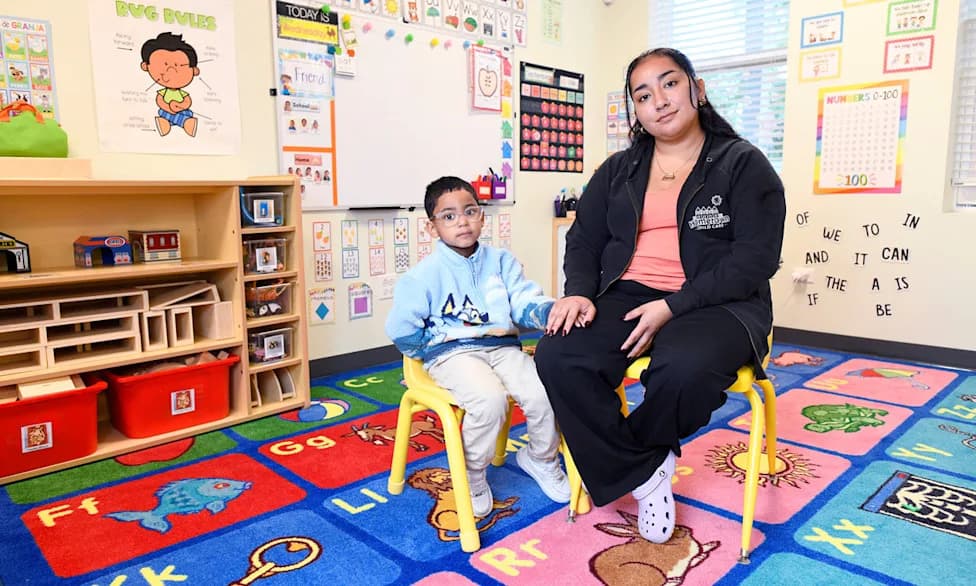
Building social-emotional skills like these is central to high-quality preschool. For more than 60 years, Head Start's national standards have helped ensure low-income children arrive at school ready to learn, countering the disadvantages of growing up in poverty so they do not start the education race behind their peers.
What The Proposal Would Change
A federal proposal would roll back most Head Start regulations, replacing consistent national standards with a patchwork of state rules. Supporters present this as a move toward flexibility and administrative efficiency, but eliminating national expectations for teaching, learning and program quality would weaken the foundation that makes Head Start more than a loose collection of local programs. It would allow a child’s early education quality to depend increasingly on the luck of their ZIP code—the very problem Head Start was created to prevent.
Evidence And Consequences
A recent review of six decades of research reinforces Head Start’s approach, documenting lasting gains in children’s social skills, emotional regulation and positive behavior. Those benefits often extend beyond individual children to families, siblings and peers, and can contribute to longer-term economic mobility. Federal standards are a core mechanism by which Head Start translates early supports into durable outcomes.
Most state childcare and early-learning licensing systems, however, vary widely and typically set only a minimum health-and-safety floor. They are designed to prevent obvious harm, not to guarantee high-quality teacher-child interactions, evidence-based school-readiness curricula, ongoing educator coaching, regular mental-health consultation or wellness screenings with follow-up—elements that research and practice identify as crucial.
Real-World Programs That Work
As leaders of education nonprofits focused on social-emotional learning, we have seen how intentional programming changes trajectories. David Adams launched the Resilient Scholars Program to embed social-emotional learning across the Urban Assembly’s 22 New York City public schools so skills endure beyond kindergarten. Jordan’s organization, Committee for Children, developed the Second Step Early Learning program to teach self-regulation, attention, emotion management, problem solving and relationship skills; that curriculum is used in preschools and Head Starts nationwide.
When Jordan taught in New York City, kindergarten was often the toughest grade at the start of the year because many children arrived without a strong early-learning feeder system. For a majority of five-year-olds it was their first full day away from home, placed with a group of unfamiliar children in a new setting called school. Helping a class of five-year-olds adjust and learn together was exhausting and required trained adults and proven practices.
The Stakes
If Head Start’s standards are weakened, kindergarten classrooms are likely to become more chaotic, with more children unprepared to engage cooperatively, attend to instruction or learn effectively. These diminished social-readiness skills do not stop in elementary school; they cascade into adolescence and adulthood. Teenagers who missed early training in emotional management, peer interaction, empathy and constructive listening will be less equipped to resolve conflict and lead.
We urge the administration to preserve and strengthen Head Start’s federal standards—an evidence-based, integrated approach that connects learning with health, family engagement and mental-health supports—rather than dismantle the conditions that help children arrive at school ready to learn.
Help us improve.