Summary: Atlantic CEO Nicholas Thompson's business-produced podcast has stirred internal unease after he told Vox the show "makes a lot of money." Reporters say the podcast resembles editorial content but operates under the commercial arm without newsroom oversight, and high-profile guests like Sam Altman have amplified concerns. The dispute is compounded by a 2024 content-licensing deal with OpenAI and public criticism from the editorial union. The case illustrates wider industry tensions over editorial-commercial separation in the age of AI.
Atlantic CEO’s Podcast Fuels Tensions Over Editorial Independence and OpenAI Deal
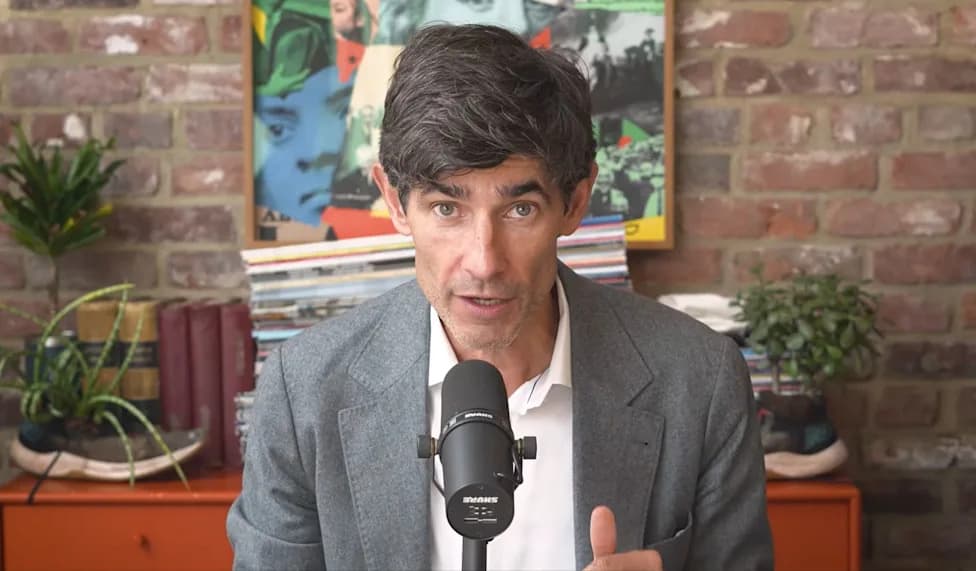
CEO’s podcast sparks tensions atop The Atlantic
Nicholas Thompson, CEO of The Atlantic, has become a flashpoint inside the magazine after comments on Vox's podcast highlighted how his personal, business-produced show generates significant revenue and sometimes resembles editorial programming. Staffers say the podcast operates under the company's commercial arm, which they argue undermines newsroom oversight and can blur the line between editorial and branded content.
What Sparked the Controversy
During a recent conversation with Vox host Peter Kafka, Thompson said, "We make a lot of money on the stuff I do. Jeff likes when we make money." Those remarks reverberated through the newsroom and intensified concerns that the CEO's podcast — produced by The Atlantic's business side and featuring interviews with technologists and industry leaders — is not subject to the magazine's editorial rules or oversight, even though listeners might reasonably assume it is an Atlantic editorial product.
Why Staffers Are Worried
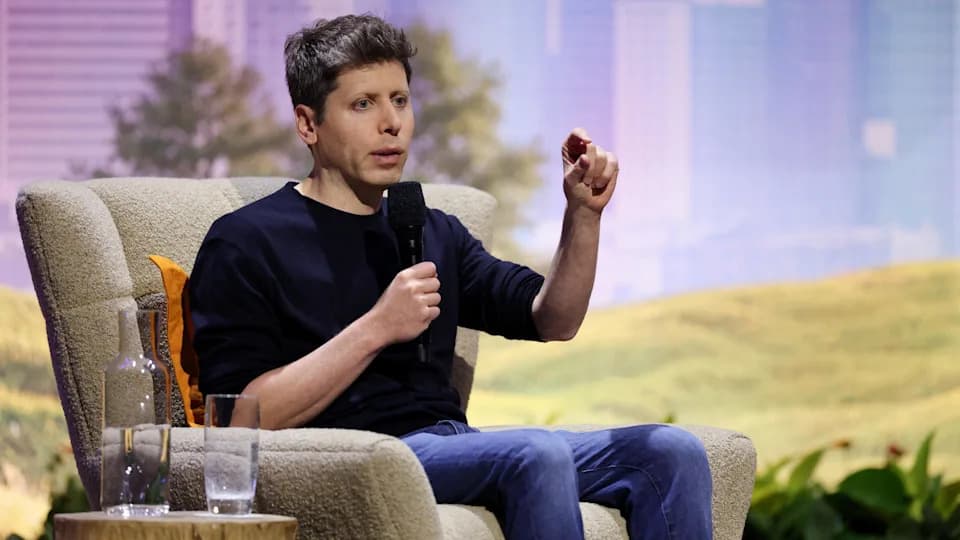
When the podcast debuted in 2024, the newsroom raised few objections: The Atlantic already runs a profitable paid-content arm through its creative marketing studio and events business. But as the show's prominence has grown and it has attracted high-profile guests such as OpenAI founder Sam Altman, journalists say Thompson's bookings have sometimes undercut the newsroom's own outreach and reporting efforts.
"It's not against the law, but it's also a little creepy," Kafka told Thompson when discussing the influence and reach of outlet leaders who also run prominent media platforms.
Friction at the Top
The podcast has reportedly intensified tensions between Thompson and The Atlantic's editor-in-chief, Jeffrey Goldberg, who reports to the magazine's board rather than to Thompson. According to people familiar with the matter, that reporting structure — along with Goldberg's close relationship with owner Laurene Powell Jobs — has made the situation particularly sensitive.
AI Deal Deepens the Rift
Underlying the dispute are diverging views about artificial intelligence. In 2024 Thompson negotiated a content-licensing deal between The Atlantic and OpenAI that many newsroom staffers criticized, arguing that frontier AI labs had in effect appropriated journalists' work to train models. The Atlantic's editorial union publicly expressed skepticism about the deal and the publication's AI policies, the tech editor wrote an op-ed calling the arrangement a "Devil's Bargain," and an August 2024 letter (first reported by Semafor) said OpenAI was hallucinating Atlantic stories and linking to aggregated versions of the publication's reporting.
Industry Context
Similar tensions are playing out across media. Other CEOs and founders — from Axel Springer's Mathias Döpfner to Axios's Jim VandeHei — have mixed editorial visibility with commercial leadership. The rise of independent publishing platforms has further blurred the historical firewall between editorial and commercial operations, as journalists build direct relationships with audiences and advertisers.
What The Atlantic Says
The Atlantic declined to comment for this report. A senior company source emphasized that content produced by the business side carries clear disclaimers to distinguish it from newsroom journalism, though the tone can occasionally read like editorial work, especially when hosted by a former journalist such as Thompson.
Why It Matters
The dispute highlights broader questions about brand stewardship, transparency, and editorial independence as legacy outlets balance financial survival with journalistic integrity in an era of AI and fragmented distribution. Staff unease reflects concerns that commercially produced content hosted by top executives can dilute newsroom authority and public trust.
Bottom line: The episode underscores the fragile balance between revenue generation and editorial independence at legacy publications adapting to a changing media landscape.
Help us improve.