This opinion piece exposes how political ads in Texas and Ohio exploit transgender youth with false claims to scare voters. Independent research, including a 2024 report highlighted by NPR, finds under 0.1% of U.S. teens receive medical gender-affirming care, and surgeries for minors are even rarer. Harvard researcher Dannie Dai says restrictions on care stem from bias rather than evidence. The author, who shares personal experience cross-dressing, argues these attacks are dishonest and harmful to vulnerable children.
Husted’s Ads Weaponize Trans Youth — What the Evidence Really Shows
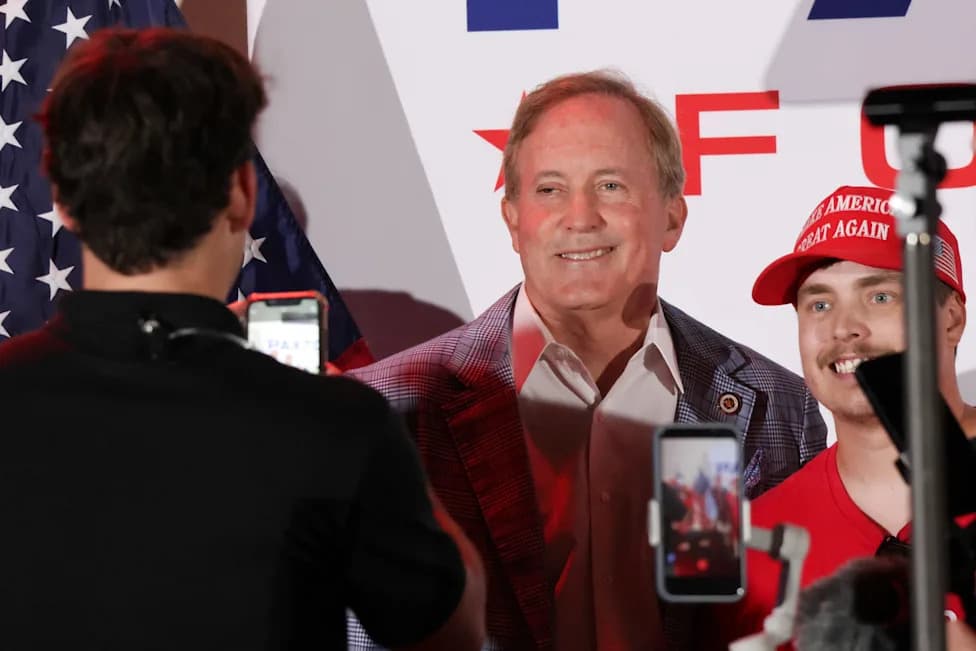
Texas Attorney General Ken Paxton poses for photos with West Texas Republicans and voters at his U.S. Senate campaign stop in Lubbock, Texas, on September 19, 2026. Paxton is set to face Democratic state Rep. James Talarico in the November 2026 elections.
While watching college football, I ran into attack ads aimed at Texas Democratic Senate candidate James Talarico that used cruel, false rhetoric about transgender people. In stark red type the spots declared Talarico was "FOR THEY/THEM, NOT YOU." Those messages were ugly and deliberately divisive.
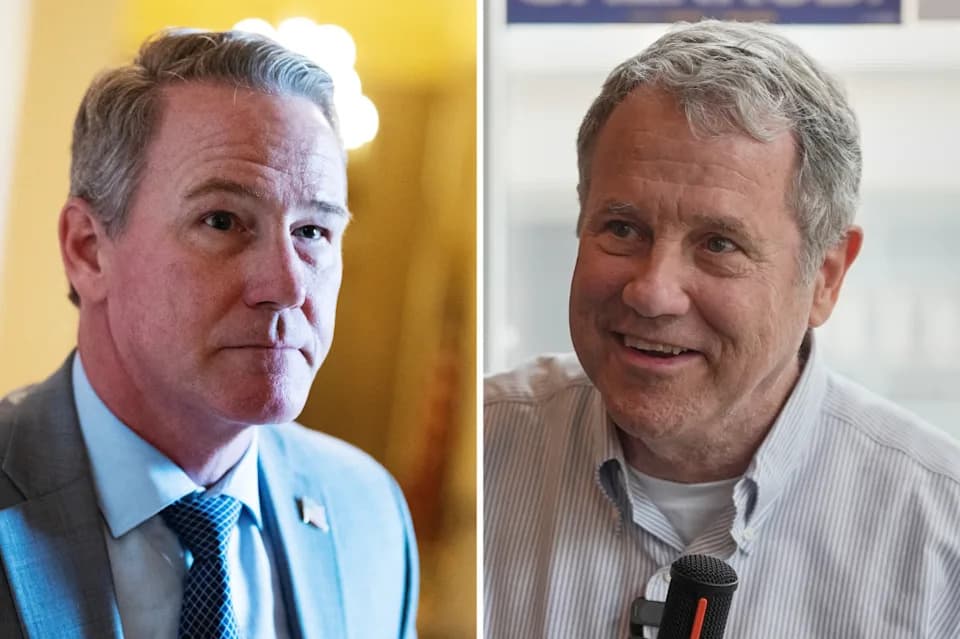
Back in Ohio, Republican Jon Husted is borrowing the same playbook, running commercials that claim Democrat Sherrod Brown supports gender-altering surgeries for minors. That assertion is false, and weaponizing children’s medical care for political gain is both dishonest and morally corrosive.

Republican Sen. Jon Husted speaks with community members during a rally in support of Issue 3 at Otie's Tavern and Grill on Aug. 29, 2026 in Hilliard, Ohio.
What do independent studies say? A review of the evidence shows there is no credible basis for the claim that transgender children are being pushed into surgical procedures. Medical research and public-health reporting indicate that gender-affirming surgeries for minors are exceedingly rare; non-surgical treatments such as puberty blockers and hormones are also uncommon.
A large analysis highlighted by NPR in 2024 found that fewer than 0.1% of U.S. teenagers received any form of medical gender-affirming care (such as hormones or puberty blockers), with surgical interventions for minors occurring at an even lower rate. Viral maps or stories suggesting toddlers or very young children routinely undergo operations are false and typically trace back to disinformation campaigns or highly politicized debates rather than clinical reality.
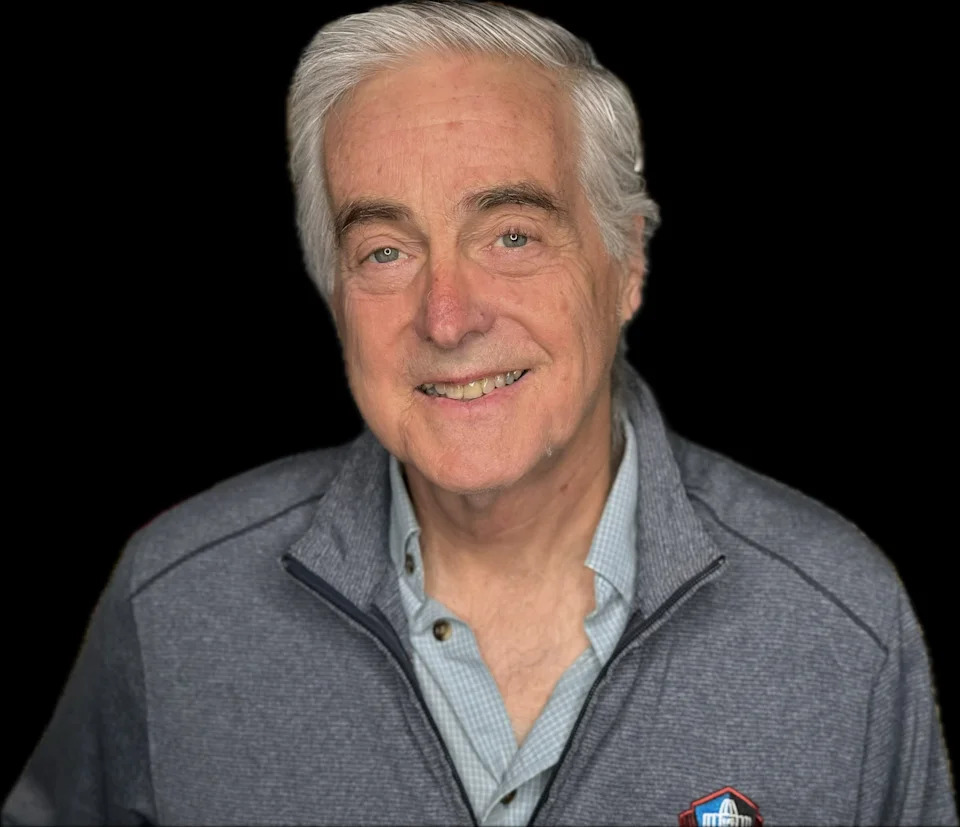
Jack Brennan
“Our findings suggest that legislation blocking gender-affirming care among transgender youth is not about protecting children, but is rooted in bias and stigma against trans identities and seeks to address a perceived problem that does not actually exist.” — Dannie Dai, research analyst and lead author of a Harvard-related study
So why have GOP strategists made trans youth a central bogeyman? Two forces appear to be at work: broad cultural discomfort with gender and sexual differences, and a faction of conservative politics that gains traction by targeting vulnerable groups. Fear-based messaging about gender nonconformity resonates with some voters because it taps into anxiety about changing norms and reinforces power dynamics that prize conformity.
Another recurring falsehood promoted by some conservative outlets is that men are routinely disguising themselves as women to gain access to female restrooms and commit assault. That scenario is extraordinarily rare and unsupported by evidence. In my own experience — I cross-dressed for many years and wrote a memoir about those years while spending 24 years working with the Cincinnati Bengals — men who present as female are generally the least likely to harm others and are often the most fearful of victimization themselves.
Using trans youth as political props isn't just dishonest; it has real consequences. It increases stigma, lends cover to discriminatory policies, and makes already vulnerable young people less safe. Voters should be skeptical of campaign ads that trade in fear rather than facts.
About the author: Jack Brennan is a former sportswriter for The Cincinnati Enquirer and the Cincinnati Post and spent 24 years as public relations director for the Cincinnati Bengals. He lives in Clifton and serves on The Enquirer's Board of Contributors.
Help us improve.