Taiwan’s foreign minister, Lin Chia-lung, opened a new de facto consulate in Phoenix, Arizona, a development Taipei calls a milestone for Taiwan–US economic and trade relations. The visit coincides with TSMC’s planned $265 billion investment in Arizona to expand semiconductor production. The United States remains Taiwan’s chief international partner and arms supplier, but arms sales are politically sensitive following comments by President Trump and persistent pressure from Beijing.
Taiwan Opens De Facto Consulate in Phoenix as TSMC Confirms $265B Arizona Investment
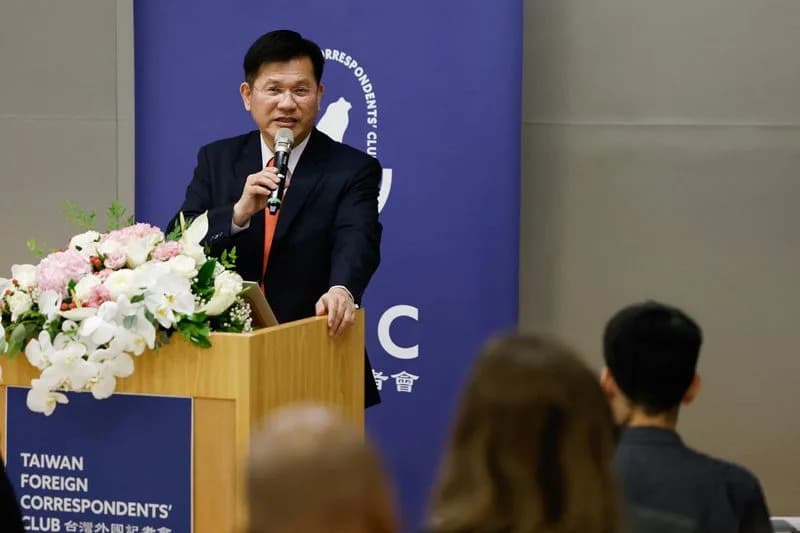
Taiwan Foreign Minister Lin Chia-lung holds a press conference with the Taiwan Foreign Correspondents' Club in Taipei, Taiwan, June 17,2026. REUTERS/Ann Wang
Taiwan's foreign minister, Lin Chia-lung, traveled to Phoenix, Arizona, to formally open a new de facto consulate, a move Taipei calls a landmark in strengthening economic and trade ties with the United States.
Economic and Strategic Context
The arrival of the Phoenix office coincides with Taiwanese chipmaker TSMC’s announced plan to invest about $265 billion in Arizona to expand semiconductor production. Taiwan’s Ministry of Foreign Affairs described the new Phoenix office as a “milestone in Taiwan–US economic and trade partnership,” saying it will help link diplomacy, trade, industry and investment.
“We will continue to integrate diplomacy with trade, economics and industry to deepen a mutually beneficial and symbiotic partnership with the United States based on mutual trust,” the ministry said.
Diplomatic Significance and Tensions
The United States remains Taiwan’s most important international partner and its principal source of arms, despite Washington and Taipei lacking formal diplomatic relations and Beijing’s continued claim over the island. The visit underscores growing US–Taiwan practical ties at a time of heightened regional sensitivity.
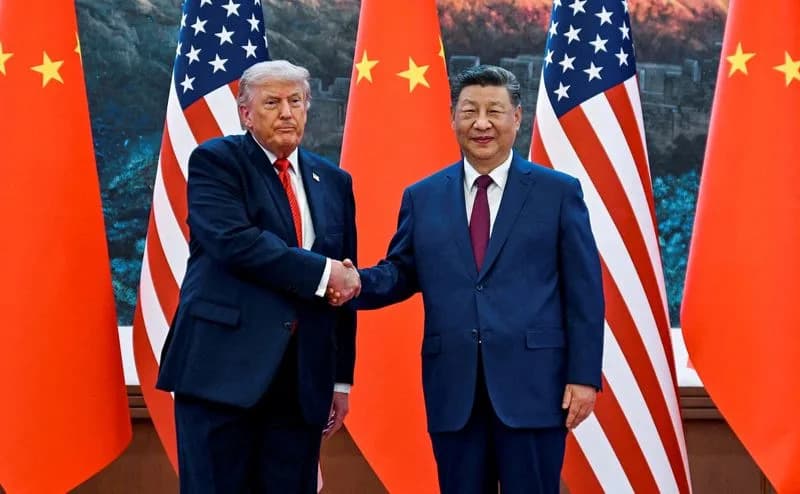
Political friction over arms sales has increased public attention. In May, after meeting Chinese President Xi Jinping in Beijing, US President Donald Trump said he was holding a proposed arms-sales package for Taiwan as a negotiating chip. Trump and Xi later met in Washington, and Trump said Xi understood his position on Taiwan; China has repeatedly demanded an end to US arms transfers to the island.
Separately, Taiwan’s President Lai Ching-te has not visited Washington under President Trump’s second administration, though senior Taiwanese officials continue to travel to the United States for diplomatic and commercial engagements.
Implications: The Phoenix office and TSMC’s massive Arizona investment highlight the deepening practical partnership between Taiwan and the United States — blending economic, industrial and diplomatic links — while also illustrating how sensitive defense and geopolitical issues, particularly US arms sales and China’s objections, remain central to cross-strait and US–China relations.
Help us improve.