Kalamos, a small Greek island, illustrates a wider demographic crisis: its last school has only two sixth graders and will close when they leave. Across Europe and in places such as Japan, falling birthrates and out-migration are shrinking island and mountain populations, prompting school closures and service losses. Some governments are investing in infrastructure, incentives and targeted programs, but experts warn reversing depopulation will be difficult without sustained policy action.
Empty Classrooms on Kalamos: How Island School Closures Reveal a European Demographic Crisis
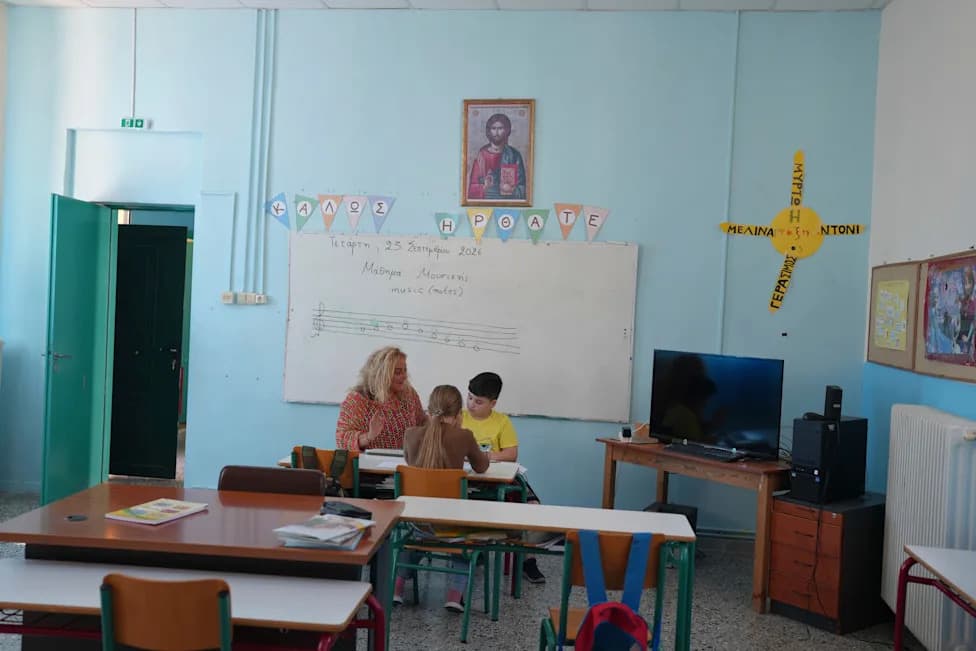
Teacher Chryssa Ntalaka teaches music to the two students of Kalamos Primary School, including Gerasimos Mitsopoulos, 11, right, on the island of Kalamos in the Ionian Sea, western Greece, Wednesday, Sept. 23, 2026. (AP Photo/Petros Giannakouris)(AP Photo/Petros Giannakouris)
On the tiny Greek island of Kalamos, an ordinary classroom has become a stark demonstration of a much larger problem: demographic decline. This year the island's last school counted just two sixth graders. When they transfer to the mainland next year, the school will be mothballed and the island's once-busy kindergarten shelves will remain unused.
Local Loss, Regional Pattern
Kalamos' shrinking roll call mirrors trends across Greece, Europe and beyond. Falling birthrates and out-migration have prompted Greek authorities to close 75 schools this year and to suspend or extend suspensions at more than 400 others. Remote communities — mountain villages and small islands — are often the first to lose schools and public services, turning them into early warning signs of broader population decline.
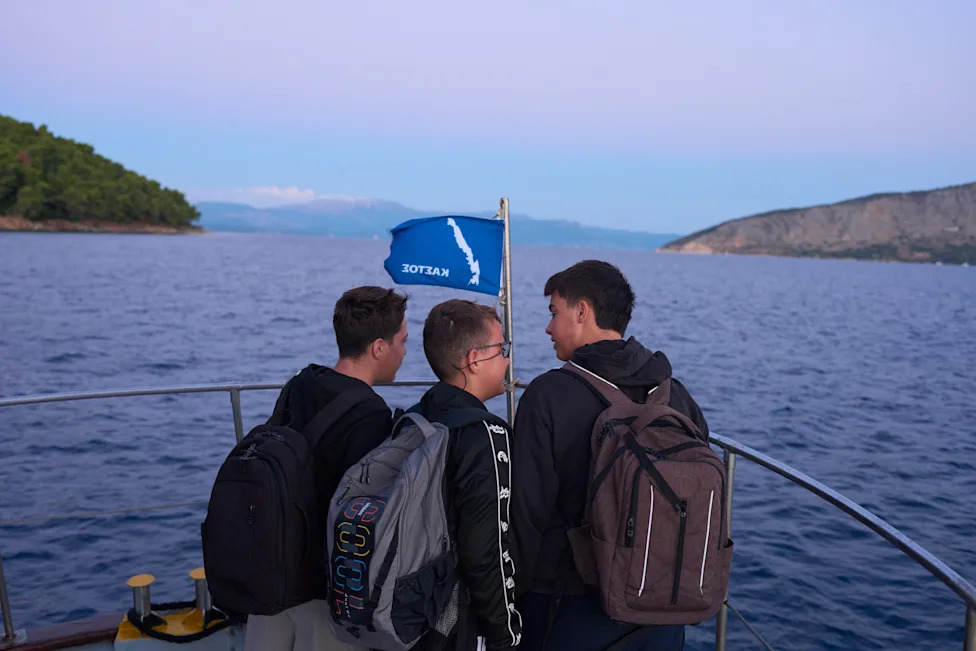
Middle and high school students travel by passenger boat across the Ionian Sea from the island of Kalamos, where they live, to schools in the mainland town of Mytikas, western Greece, early Thursday, Sept. 24, 2026. (AP Photo/Petros Giannakouris)(AP Photo/Petros Giannakouris)
Voices From Kalamos
"Usually, teachers are placed on these islands against their wishes. Whereas for Kalamos there are teachers... who want to come — but there are no children," said Chryssa Ntalaka, the island's only remaining teacher.
Year-round population on Kalamos is about 80, down from a decade ago when local schools and public daycare served roughly 40 children. Teenagers now make daily ferry trips to the mainland for high school, and rough weather can mean missed classes.
How Other Countries Are Responding
Governments are trying different approaches to slow or reverse the decline. Croatia invested about €4.6 billion in island infrastructure over the past decade, funding kindergarten construction and school renovations and passing an Islands Act to support island life.
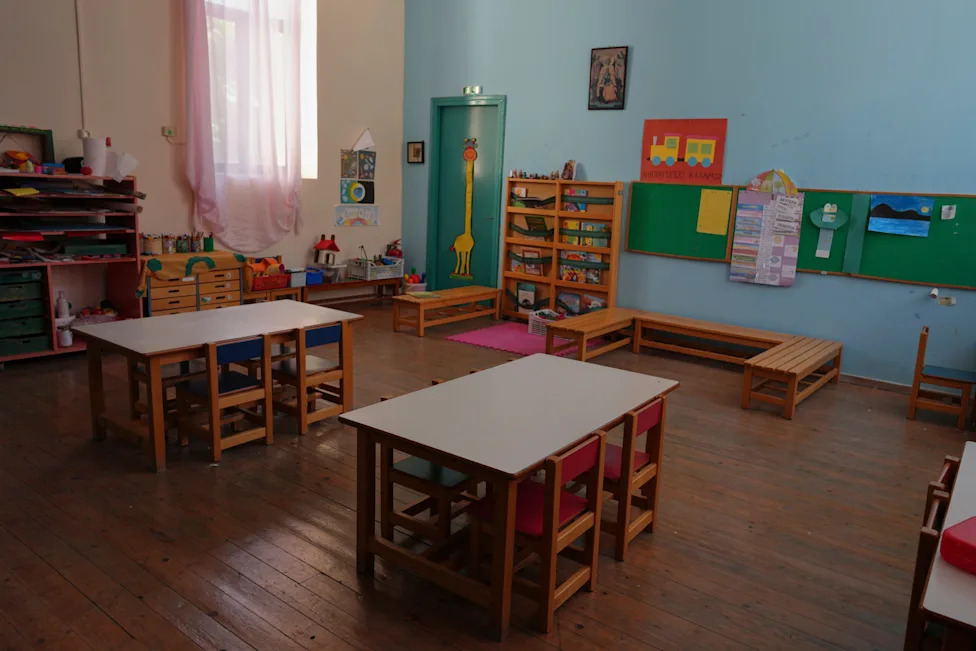
An empty classroom is seen at a kindergarten that has remained closed for a second consecutive school year because of a lack of students on the island of Kalamos in the Ionian Sea, western Greece, Wednesday, Sept. 23, 2026. (AP Photo/Petros Giannakouris)(AP Photo/Petros Giannakouris)
Japan has seen a sharper fall on its remote isles: population on more than 250 supported islands fell 19% in the decade through 2023, nearly double the national decline. That shrinkage has reduced the workforce for essential services such as ferries, deepening economic contraction. The Japanese government offers subsidies and relocation incentives aimed at sustaining island communities and attracting workers.
In Italy, the volcanic island of Stromboli recently reopened an elementary school after a 20-year closure — with a single student — reflecting policies that sometimes exempt remote islands from minimum-class-size rules to avoid accelerating depopulation.
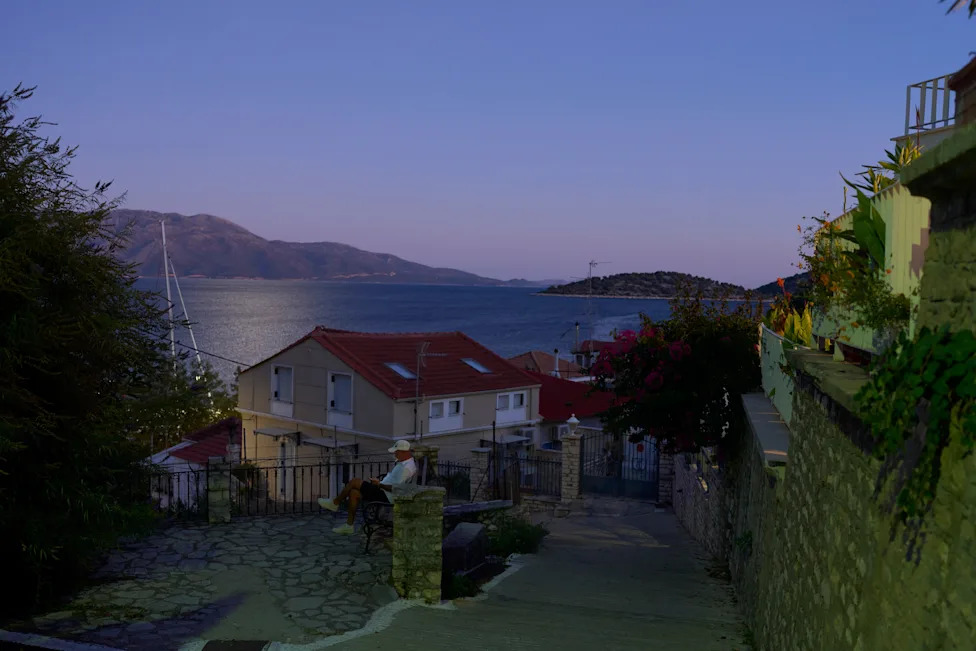
A man seats on a bench on the island of Kalamos in the Ionian Sea, western Greece, Wednesday, Sept. 23, 2026. (AP Photo/Petros Giannakouris)(AP Photo/Petros Giannakouris)
Regional Context and Policy Responses
The demographic shift is regional: the EU recorded about 3.55 million births in 2024 and a record-low fertility rate of 1.34 children per woman, well below the 2.1 rate needed to sustain population size. Many Southern European countries are among the world's oldest. Experts warn Greece's population could fall from around 10.5 million today to as low as 8 million by 2050 unless trends change.
In June, the European Union said it would develop a strategy focused on islands to address shrinking populations and related challenges. The European Commission has already spent €146 million in recent years to modernize schools across four Greek island clusters as part of those efforts.
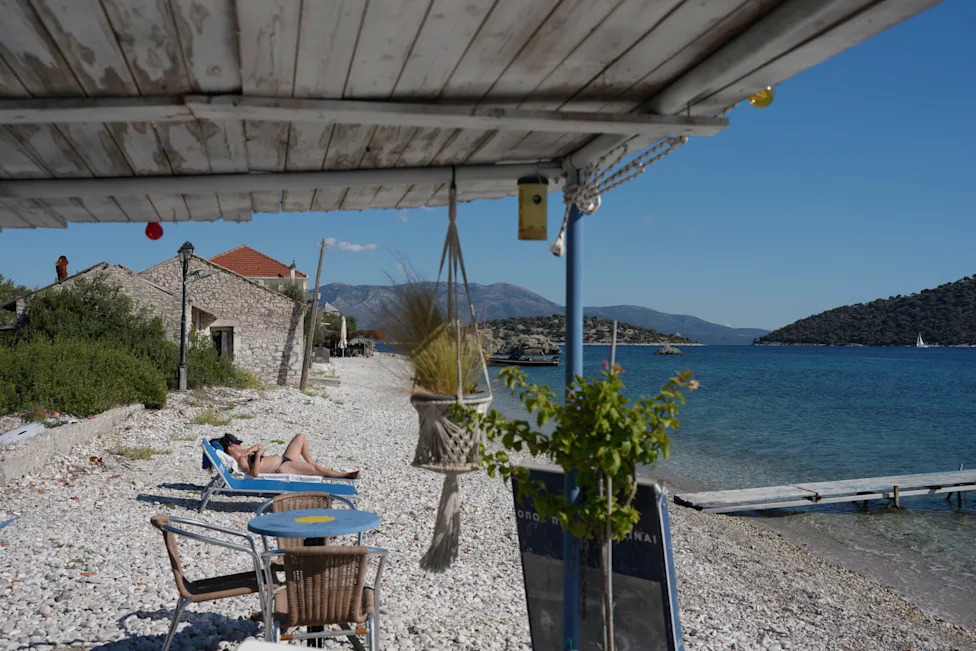
A tourist sunbathes at Agrapidia Beach on the island of Kalamos in the Ionian Sea, western Greece, Wednesday, Sept. 23, 2026. (AP Photo/Petros Giannakouris)(AP Photo/Petros Giannakouris)
What This Means
Closing a school often triggers a cycle of decline: families move away for better services and jobs, births fall, and communities age. Some islands have mitigated decline with targeted investments, family-relocation incentives and educational programs that attract outside students. But for many tiny communities like Kalamos, the future hinges on whether new families arrive to keep basic services alive.
"Mobility is one of Europe's strengths, but people should leave by choice, never because of neglect or missing investment," wrote Themis Christophidou of the European Commission. For islands across Europe, ensuring quality public services — with education at their heart — will be central to any viable recovery.
Help us improve.