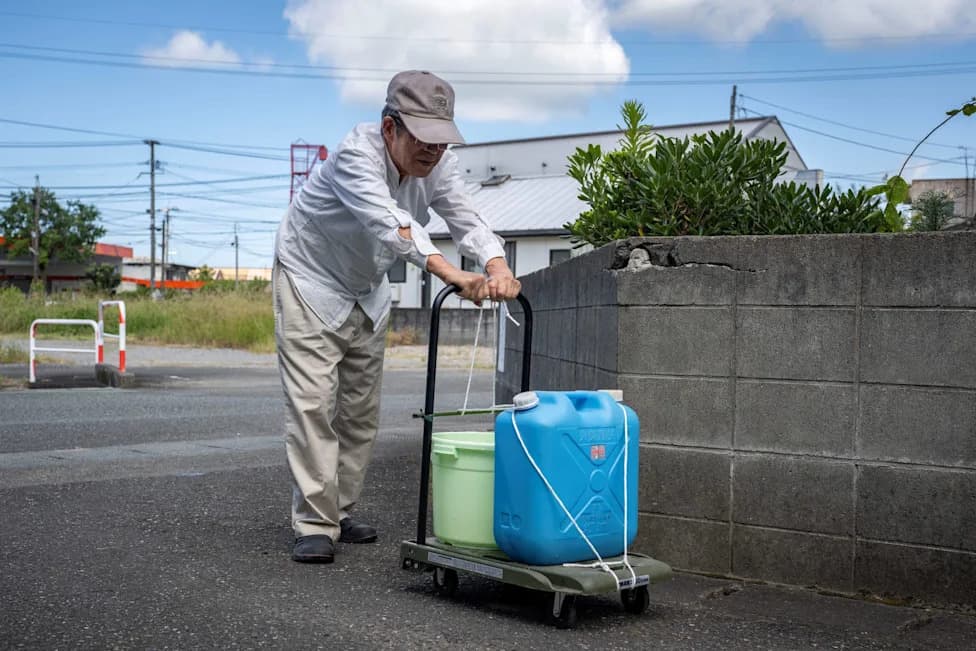
Japan has become the first country to report more than 100,000 centenarians, with 107,677 people aged 100 or older as of Sept. 1 — up 7,914 from a year earlier. Women account for the overwhelming majority of the group. Experts credit diet, regular health screenings and active lifestyles for much of Japan’s longevity, but warn that low birthrates, environmental risks and mounting social costs are straining public resources.
Japan Tops 100,000 Centenarians — A Longevity Milestone With Growing Social Strain
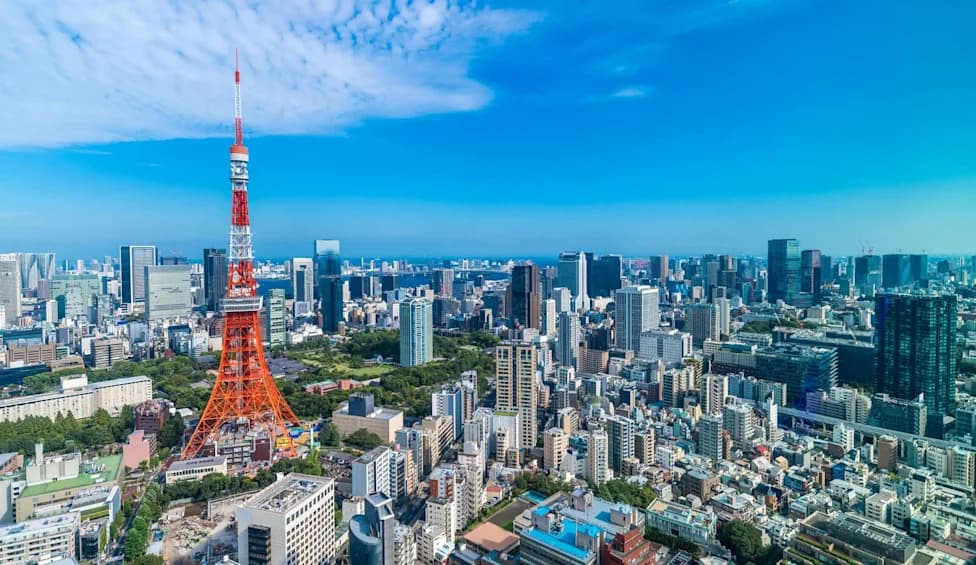
Photo Credit: iStock
Japan has become the first country in the world to report more than 100,000 residents aged 100 or older. According to USA Today, citing data released by Japan's Health, Labour and Welfare Ministry, there were 107,677 centenarians in Japan as of Sept. 1 — an increase of 7,914 from a year earlier and the 56th consecutive annual rise.
Women make up the vast majority of the group: 94,298 are women and 13,379 are men. The long-term rise has been dramatic: Japan recorded 153 centenarians in 1963, passed 1,000 in 1981 and exceeded 10,000 by 1998, the BBC reported.
Why Japan’s Population Is Noted by Researchers
Researchers study Japan because its unusually high life expectancy offers clues about how large numbers of people reach advanced ages. Public health experts point to nutritious diets and routine health screenings as recurring contributors to longevity. Many traditional meals emphasize fish, vegetables and rice, while older adults often remain active by walking, cycling, using public transit and practicing stretching or light exercise. These factors are linked to lower mortality from illnesses such as heart disease and cancer.
“What's really critical about this is quality of life,” said Jay Olshansky, an epidemiologist at the University of Illinois Chicago. “Most people at older ages now are living on manufactured time — time that was created for us by our physicians and by the public health community.”
Policy Challenges and Health Risks
At the same time, Japan’s demographic shift raises pressing policy and economic challenges. Scientific American has reported that the combination of an aging population and a persistently low birth rate strains social programs as a smaller workforce supports a growing share of elderly residents. Japan’s health ministry has warned that sustaining the country’s social security system will become increasingly important as the population continues to age.
Other emerging risks that could affect older adults include fine-particle air pollution, which may widen health disparities between generations, and rising extreme heat, which is projected to threaten far larger numbers of older people by midcentury. Some studies also highlight benefits from lifestyle factors such as regular physical activity, daily consumption of beans and living in greener neighborhoods with more trees.
Global Context
For context, the U.S. Census Bureau projected roughly 101,000 centenarians in the United States for 2024, but that was an estimate rather than an official count. Japan’s milestone offers lessons and warnings for other countries facing rapid population aging: public health successes are lengthening lives, but policymakers must prepare for higher care costs, changing labor markets and new environmental threats.
Sources: Japan Health, Labour and Welfare Ministry (reported via USA Today); BBC; Scientific American; U.S. Census Bureau projections.
Help us improve.