Researchers validated an unusually high number of centenarians in Bolotana, Sardinia—10 among about 2,262 residents—using photographs and local records, with results published in Frontiers in Aging. The key finding is a pronounced female advantage: 70-to-100 survival is 13.83% for women versus 4.92% for men. Likely contributors include a largely plant-based diet, daily unstructured cardio from steep terrain, and strong multigenerational social networks; genetics may also matter. Researchers warn modernization could erase these longevity gains within a generation.
A Sardinian 'Blue Zone' Where Women Thrive: What Bolotana Reveals About Longevity
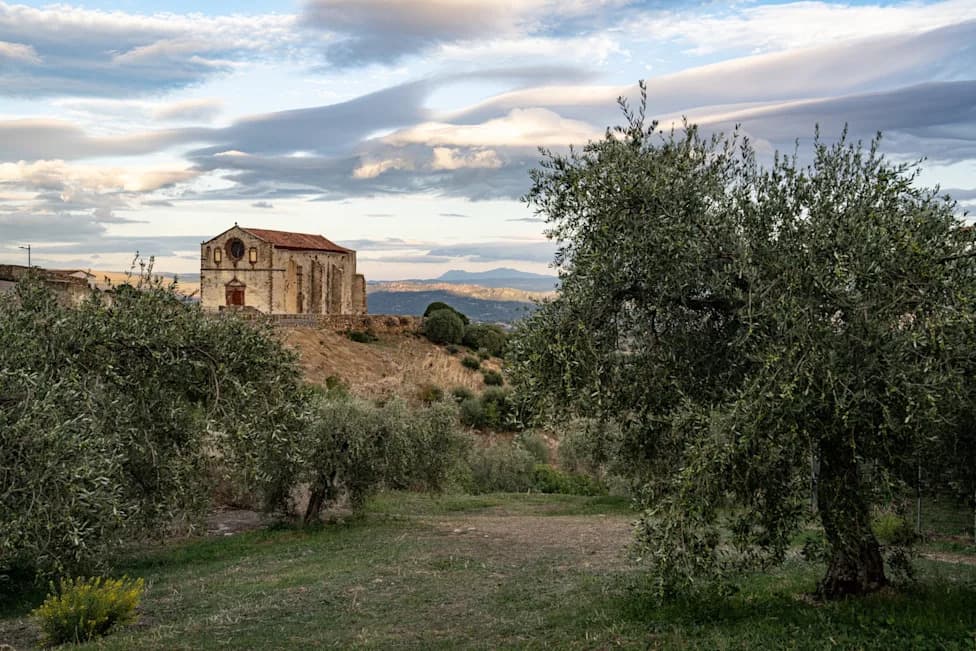
A National Geographic project led by longevity researcher Dan Buettner has identified a new 'blue zone'—a geographic region where residents 70 and older have exceptional survival—centered on the mountainous Sardinian village of Bolotana. There, junk food is a foreign concept and female life expectancy is particularly high.
Bolotana, a small village on the slopes of Sardinia’s Marghine mountains, has drawn international attention for an unusually high concentration of centenarians. Among roughly 2,262 residents, researchers identified 10 people aged 100 or older—about 442 centenarians per 100,000 inhabitants, roughly ten times the Sardinian average and eleven times the U.S. average.
Verified Ages and Rigorous Research
National Geographic Explorer Dan Buettner and collaborators, including gerontologist S. Jay Olshansky and Gianni Pes, assembled a team to validate the claims. The researchers used village photographs and meticulously kept civil, baptismal and marriage records to verify ages for a randomized sample of centenarians. Their findings were published in Frontiers in Aging.
Women Are Driving Bolotana’s Longevity
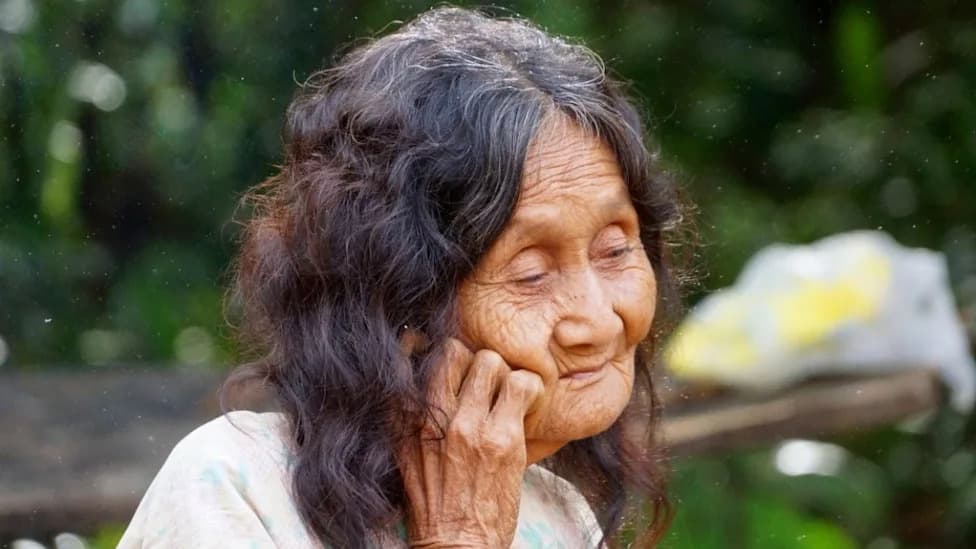
A standout result: women account for the village’s exceptional longevity. In Bolotana, the probability of surviving from age 70 to 100 was 13.83% for women versus 4.92% for men. According to Olshansky, women who reach 70 in Bolotana are roughly three times more likely to make it to 100 than their U.S. counterparts.
Lifestyle Clues: Diet, Daily Movement, and Social Structure
Researchers identified several lifestyle features that likely contribute to long, healthy lives in Bolotana:
- Mostly Plant-Based Diet: Historically about 90% plant-based, residents ate meat roughly five times per month and relied on homegrown foods—beans, pasta, potatoes, sheep cheese, olive oil and wheat.
- Daily Unstructured Activity: The village’s steep terrain and limited car use create regular medium-intensity physical activity—walking and labor—without formal exercise routines (Bolotana has no gym).
- Multigenerational Living: Families commonly share homes, household duties and childcare, providing social, emotional and practical support.
- Shared Domestic Burdens: In this mixed pastoral and agricultural community, men often remain at home and help with domestic work, which may reduce stress for women and contribute to the disproportionate female longevity.
Genes, Modernization, and What Comes Next
While lifestyle factors are compelling, researchers note that genetics could also play an important role in Bolotana’s female-led longevity pattern. The team warns that modernization—cars, smartphones and processed foods—could erode these advantages within a generation, increasing rates of type 2 diabetes, cardiovascular disease, dementia and some cancers. Buettner framed the stakes economically, suggesting that U.S. healthcare savings from comparable longevity gains could be on the order of trillions of dollars.
"Bolotana is a treasure chest for understanding human longevity," Buettner said, emphasizing the limited window to study the village’s environmental, behavioral and genetic factors before rapid cultural change arrives.
Next steps include deeper genetic study and systematic documentation of daily behaviors and environmental exposures so researchers can better understand which factors are causal and which are coincidental.
Help us improve.