Rep. Brad Schneider criticized the Trump administration for failing to present a clear strategy in the seven‑month Iran war, saying actions taken have not advanced the goal of preventing Iran from acquiring a nuclear weapon. The Pentagon reports 19 U.S. service members have died, and Iran’s shipping restrictions have helped push U.S. gas prices higher (about $4.37/gal, AAA). Nearly 70% of respondents to an AP/NORC poll say the war has not been worth it. Schneider warned Democrats would demand classified briefings and hold hearings if they regain control of Congress.
Rep. Brad Schneider: Administration Has Failed To Present A Clear Strategy In Iran Conflict

Democratic rep: Administration ‘has failed to present a strategy’ in Iran war
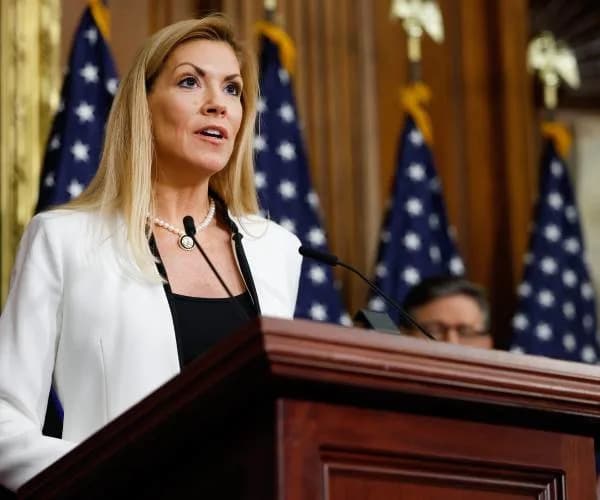
Democratic Rep. Brad Schneider (Ill.) on Sunday sharply criticized the Trump administration’s handling of the seven‑month war with Iran, saying officials have not laid out a clear strategy or explained the campaign’s goals to the American people.
What Schneider Said
Speaking with host Chris Stirewalt on NewsNation's "The Hill Sunday," Schneider argued that the public deserves a straightforward explanation of U.S. objectives.
"We need to explain to the American people what the goals are in trying to prevent, and we have to prevent Iran from ever getting a nuclear weapon, but the administration has failed to present a strategy and the actions they've taken have not moved us any closer to that goal," Schneider said.
Human and Economic Costs
The conflict reached its seven‑month mark this week with no clear path to a permanent settlement. The Pentagon reports that 19 U.S. service members have died in the Middle East since the fighting began. Economic fallout from Iran’s restrictions on shipping through the Strait of Hormuz has helped push up fuel prices: the national average for a gallon of regular gasoline stood at about $4.37 as of Sunday, according to AAA.
Public Opinion and Political Stakes
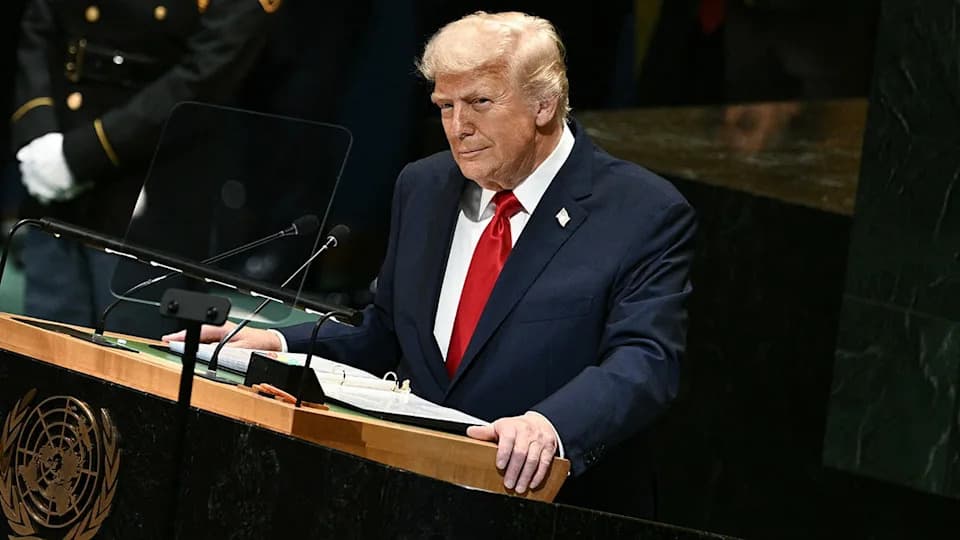
Public sentiment reflects growing unease: nearly seven in 10 respondents to a recent Associated Press/NORC survey said the war has not been worth it for the United States. President Donald Trump acknowledged this week that the conflict could affect Republican prospects in the November midterm elections but reiterated his primary objective of preventing Iran from obtaining a nuclear weapon.
"Well, it's possible. It should help," Trump told reporters, adding: "Because Iran will not have a nuclear weapon ... So when you say, 'Is it OK for Iran to have a nuclear weapon?' I would say 100 percent of the people say no, including worldwide. So, when you say it that way, it would help. If you don't say that, it could hurt."
What Lawmakers Plan
With control of Congress at stake, forecasters are watching closely. Decision Desk HQ, The Hill’s statistical partner, gives Democrats roughly a 53% chance of reclaiming both chambers next month. Schneider said that if Democrats regain the House and Senate, they will press for classified briefings and hold hearings to scrutinize administration actions.
"The [House] Oversight Committee, the [House] Judiciary Committee, other committees will bring the people from the administration in for hearings to understand what they have been doing, how they've been breaking the law, how they've been making life harder for American people," Schneider said.
The debate underscores the intersection of national security, public opinion and electoral politics as the conflict continues with no immediate resolution in sight.
Help us improve.