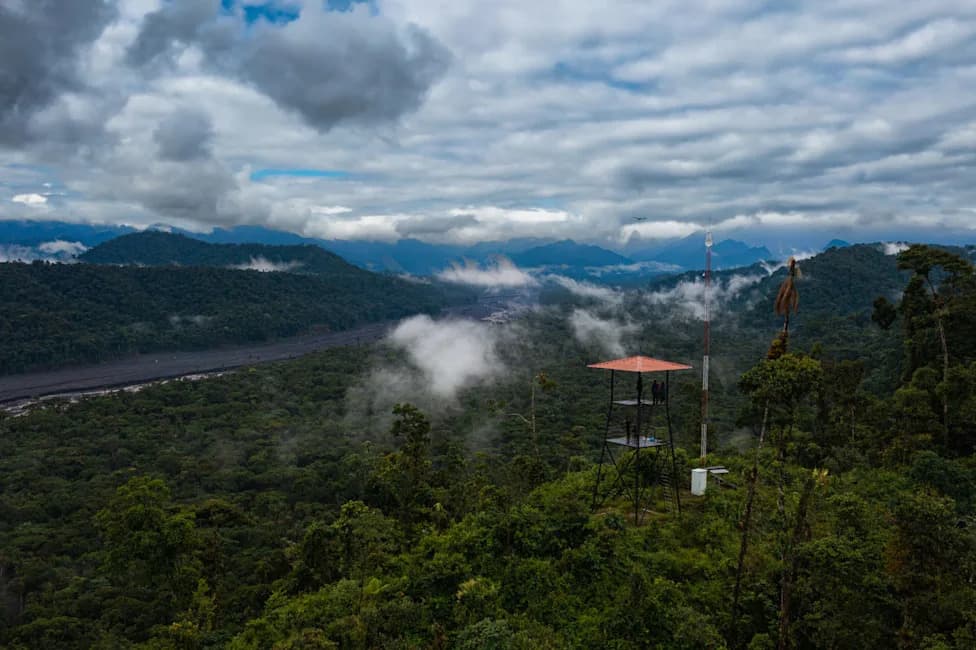
São Tomé and Príncipe has become the first country to have its entire territory designated a UNESCO Biosphere Reserve. The government and partners are integrating conservation into everyday economic life by transforming extractive activities into micro-enterprises, promoting certified agroforestry cocoa and co-managing eight planned marine protected areas covering about 93 km² with 15 fishing communities. Initiatives are supported by funds such as EcoTéla and leadership programs like Condos da Floresta, but climate risks, weak enforcement, pollution and geographic isolation remain major challenges.
How São Tomé and Príncipe Turned Its Entire Country Into a Living UNESCO Biosphere Reserve
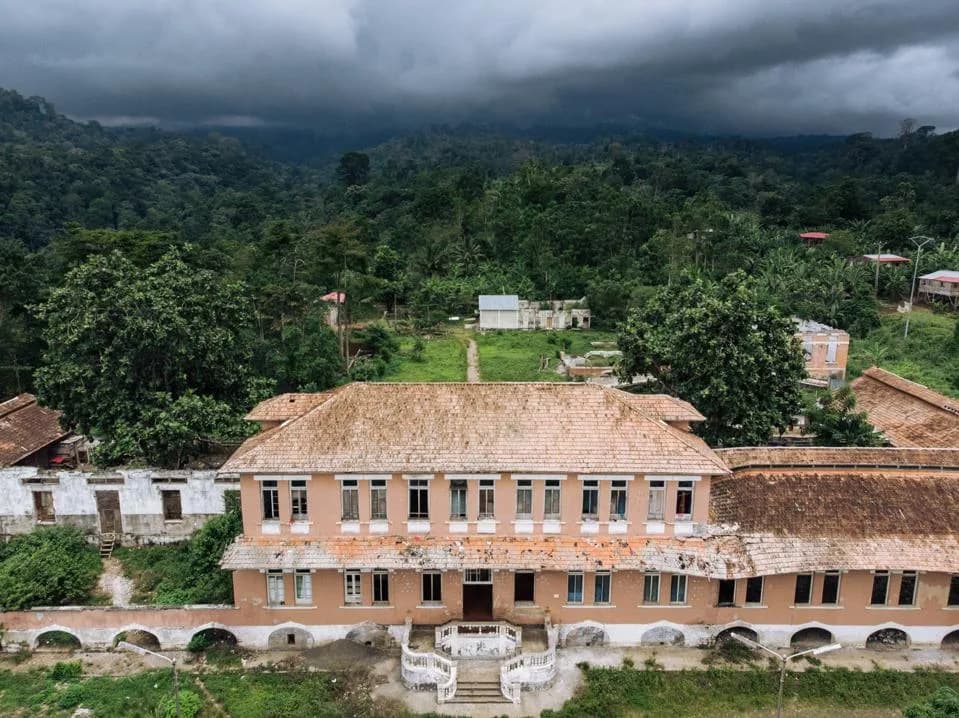
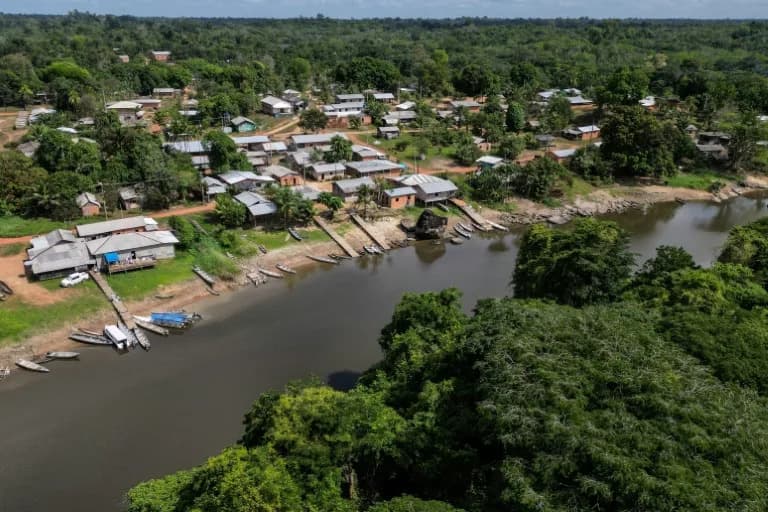
Aerial view of the hospital of the roca Agostinho Neto, an abandoned cocoa plantation of Sao Tome and Principe. (Photo by Alexis HUGUET / AFP) (Photo by ALEXIS HUGUET/AFP via Getty Images)AFP via Getty Images
São Tomé and Príncipe, a small island nation off West Central Africa, has become one of the planet's most important biodiversity hotspots. In a global first, the country’s entire territory has been designated a UNESCO Biosphere Reserve, recognizing its exceptional density of endemic plants and animals and its integrated approach to conservation and development.
Conservation Woven Into Daily Life
Rather than protecting isolated pockets of nature, national and local partners have embedded conservation into the islands' economy and community life. The model treats environmental protection as central to sustainable development, turning former extractive livelihoods into low-impact, locally rooted enterprises.
From Poaching And Logging To Micro-Enterprises
Programs replace illegal timber harvesting, charcoal production and turtle or shark poaching with alternative incomes. Under regional restoration initiatives, sustainable harvesting and processing of local foods — such as the búzio forest snail — have become micro-enterprises that incentivize preserving surrounding forests.
HBD Príncipe And Community-Led Development
On Príncipe island, developer HBD Príncipe runs the Vida Nón Project. After surveying villages, the project financed and trained community micro-businesses — from poultry handling to sustainable livestock — to reduce pressure on fisheries and forests. HBD is the island’s largest employer and also trains local people in sustainable agriculture, helping them produce high-value organic cocoa, coffee and aromatic herbs.
Much produce is processed locally: cocoa becomes chocolate and body-care products, keeping profits in communities. HBD buys smallholder cocoa, encourages certification and accepts smaller volumes that other buyers might reject. Its Príncipe cocoa plantations hold Smithsonian Bird Friendly certification thanks to agroforestry practices such as intercropping cacao with native flora and protecting secondary forest.
Heritage, Eco-Tourism And Community Benefits
The islands retain colonial-era plantations called roças, six of which are UNESCO World Heritage sites. HBD owns Belo Monte (a boutique hotel) and Roça Sundy, which is being restored. Renovations preserve cultural heritage while offering descendants of plantation workers housing, hospitality training, infrastructure upgrades and participation in decentralized community governance.
Across its eco-lodges HBD levies a €25 per person, per night Conservation & Communities Contribution. Proceeds fund local ecological monitoring and community development projects.
Marine Protection And Community Co-Management
The government has committed to a network of eight marine protected areas (MPAs) covering about 93 square kilometres. Two MPAs are already established and six await final approval. The initiative is coordinated with NGOs including Fauna & Flora, Oikos, MARAPA and Fundação Príncipe and explicitly depends on 15 co-managing fishing communities.
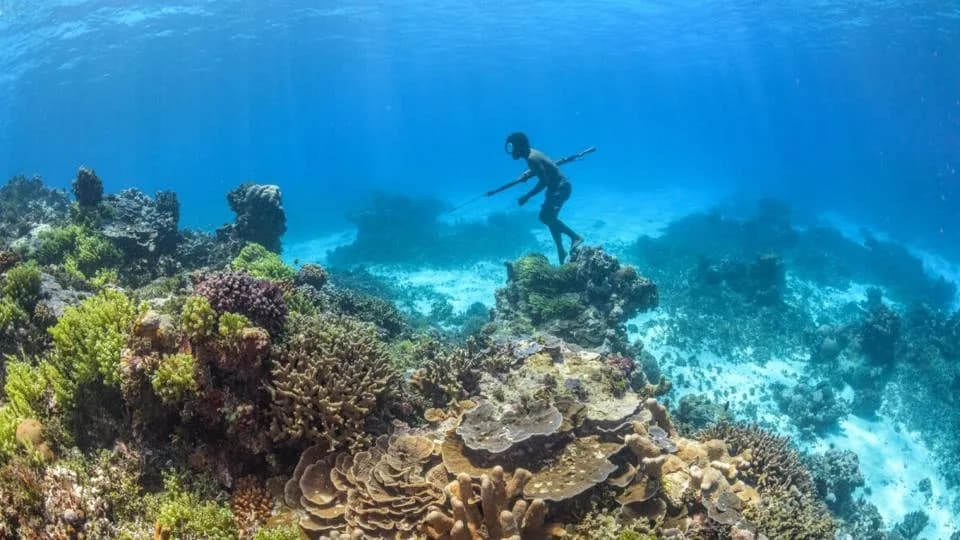
These MPAs combine strict no-take zones with sustainable-use areas for artisanal fishers using legal gear. They protect mangroves, fish nurseries, sharks, manta rays and vital nesting beaches for five sea turtle species (Green, Olive Ridley, Hawksbill, Leatherback and Loggerhead), while supporting local food security.
Local fishers act as first responders against destructive foreign fleets, map habitats, self-regulate catches and help monitor coral reef health. Regional NGOs hire and train community members as scientific monitors; some former turtle poachers now work as beach guards protecting nesting turtles.
Financing, Leadership And Capacity Building
The EcoTéla conservation fund, a partnership among the national government, UNDP and conservation groups, aims to provide long-term financing for biodiversity and climate action. Programs like Condos da Floresta mentor and train a new generation of female conservation leaders, bridging rural knowledge, biodiversity science and project financing.
Key Challenges Ahead
Despite progress, the islands face serious threats: climate vulnerability and coastal erosion (much infrastructure sits on low-lying coast), deforestation from small-scale agriculture that accelerates soil loss, limited species population data, weak enforcement and corruption, and inadequate waste and hazardous-material facilities that allow pollution to reach coastal waters. Remoteness constrains tourism, access to skilled labor, supplies and timely international assistance.
São Tomé and Príncipe’s approach demonstrates how conservation can be woven into national governance and local livelihoods — but durable success will require stronger enforcement, transparent financing and expanded scientific monitoring.
Help us improve.