California's CARS Act (SB 766) requires dealers to show the full price of used cars up front and gives buyers a three-day return window to arrange inspections or verify unrepaired safety recalls. Dealers must disclose that add-ons are optional and may not sell add-ons that provide no real value. The law permits a restocking fee and limits return-related driving to 400 miles; it was prompted by consumer reports of large hidden add-ons and unresolved recall defects.
California's CARS Act: Dealers Must Show Full Price and Offer 3-Day Returns for Used Cars
Photo Credit: iStock
Buying a used car can turn from a planned purchase into an unpleasant surprise when hidden fees, unwanted add-ons or unresolved safety recalls appear after the sale. California's new CARS Act (Senate Bill 766) targets those problems by requiring clearer upfront pricing and a short return period for used-car buyers.
What the CARS Act Requires
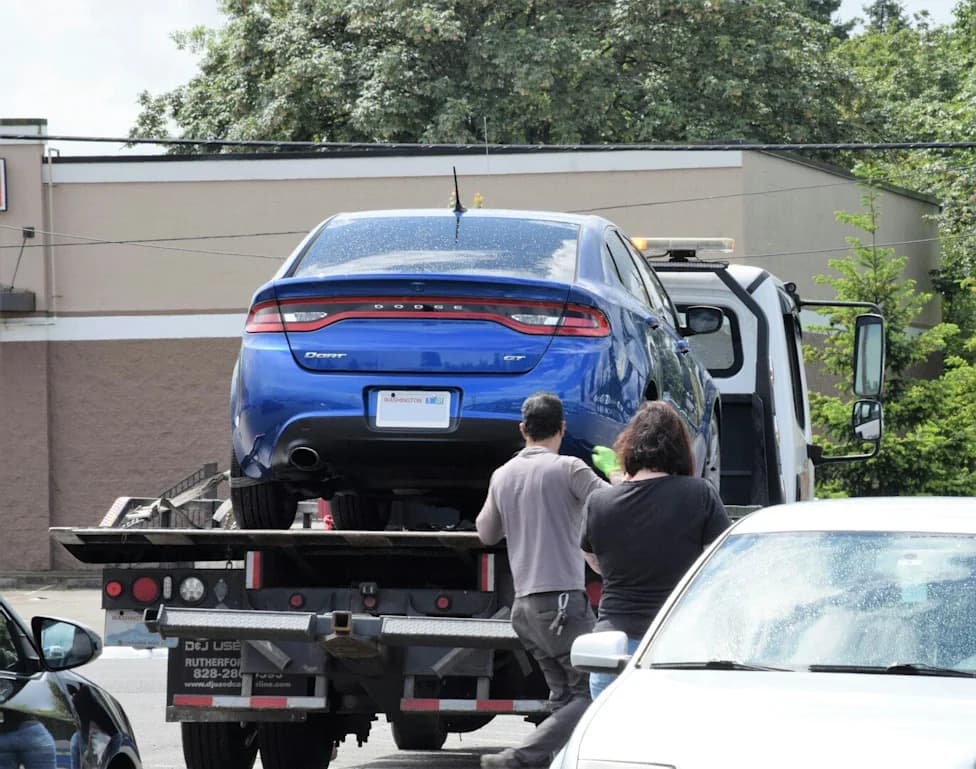
The law gives used-car buyers a three-day window to return a vehicle and requires dealers to present the vehicle’s full price at the outset of negotiations. Dealers must clearly disclose that add-ons are optional and are prohibited from selling add-ons that provide no real value to the customer. Buyers may use the three-day window to arrange independent inspections or to verify whether any safety recalls remain unrepaired.
Dealers are allowed to charge a restocking fee when a car is returned, and the statute limits return-related driving to 400 miles. These limits are intended to prevent buyers from putting substantial mileage on a car before deciding to return it.
Consumer Examples and Lawmaker Comments
State Sen. Ben Allen (D–Santa Monica) said the law addresses long-standing dealer practices that left buyers with unexpected costs or unsafe vehicles. His office highlighted several consumer complaints that helped spur the bill: one buyer, David Lappen, reported that a dealer increased the advertised price of a used electric vehicle by roughly $5,000 through optional add-ons such as converter etching and complimentary oil changes — items he said were irrelevant to an EV. Another buyer, Anthony Vento, said he drove off with a vehicle that still had an unrepaired safety recall despite written assurances from the dealership that recalls had been checked.
“For years, car shoppers have been mistreated and duped into purchasing unsafe vehicles or vehicles with add-ons and features they didn't know about, saddling them with unnecessary debt and risking their lives on the road,” Sen. Ben Allen said. “These practices will finally come to an end in California.”
How This Fits Into Broader Policy
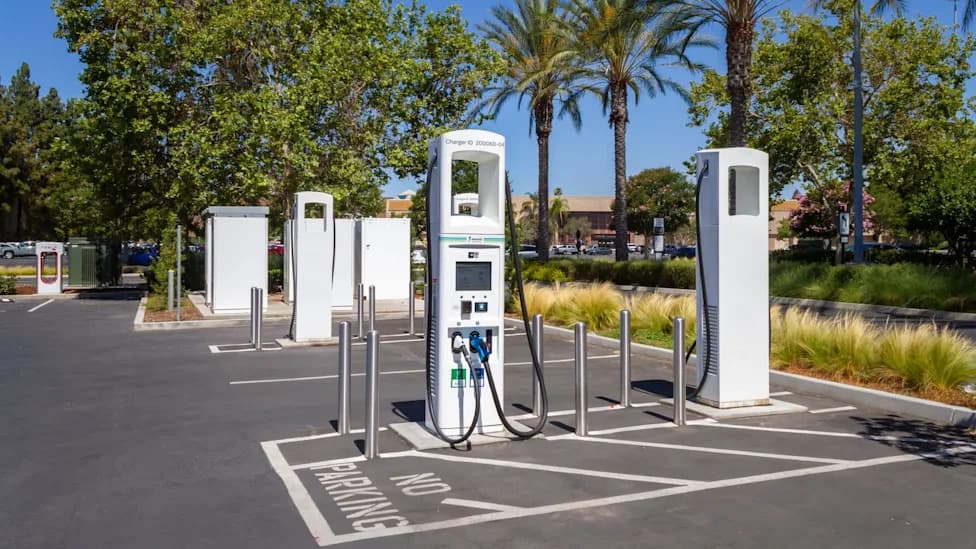
The CARS Act is part of a larger push in California to reshape how people buy and own cars, particularly as the state expands electric-vehicle incentives. Officials are preparing instant EV rebates for first-time buyers and have proposed incentives of about $3,500 to support EV demand. Regulators in other states, such as Maine, have signaled interest in similar incentive programs.
Buyers should preserve all sales paperwork, review dealer disclosures carefully, and use the three-day window to get inspections or recall checks if anything seems amiss. The law strengthens consumer protections but does not eliminate the need for due diligence when buying a used car.
Help us improve.