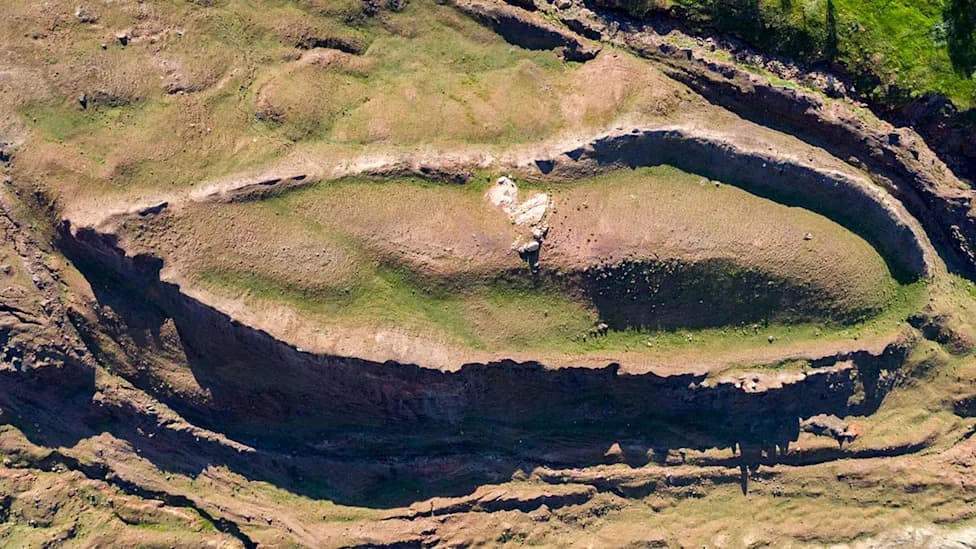
The Durupınar formation, a roughly 538-foot boat-shaped feature near Mount Ararat first publicized in 1959, has been the focus of renewed investigation. Researchers say core drilling at more than a dozen sites failed to find continuous bedrock and instead revealed rich black soil deposits. Samples will undergo organic-content analysis this winter at Ankara University, and a 2024 survey reportedly found three times more organic matter inside the feature than outside. Investigators stress laboratory results and peer review are needed before any definitive claims can be made.
New Drilling at Durupınar Raises Questions About Natural-Rock Theory; Researchers Move 'Inching Toward' Possible Noah's Ark Link
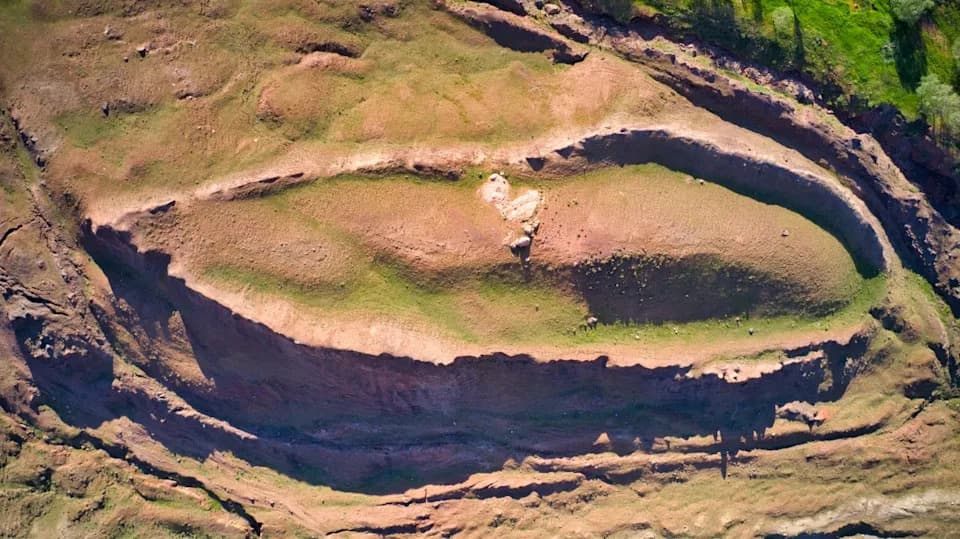
Scientists who have researched at Turkey's Durupinar site say they've found convincing evidence regarding the Noah's Ark hypothesis.
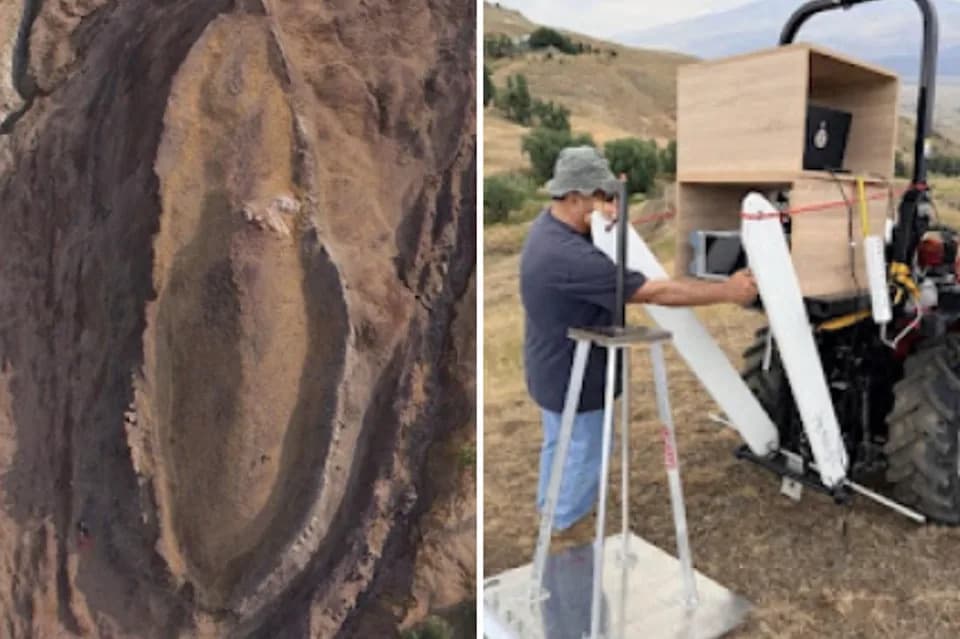
Researchers investigating the boat-shaped Durupınar formation near Mount Ararat say new fieldwork — including core drilling, soil sampling and ground-penetrating radar — gives fresh reason to question the long-held view that the feature is simply a natural rock formation.
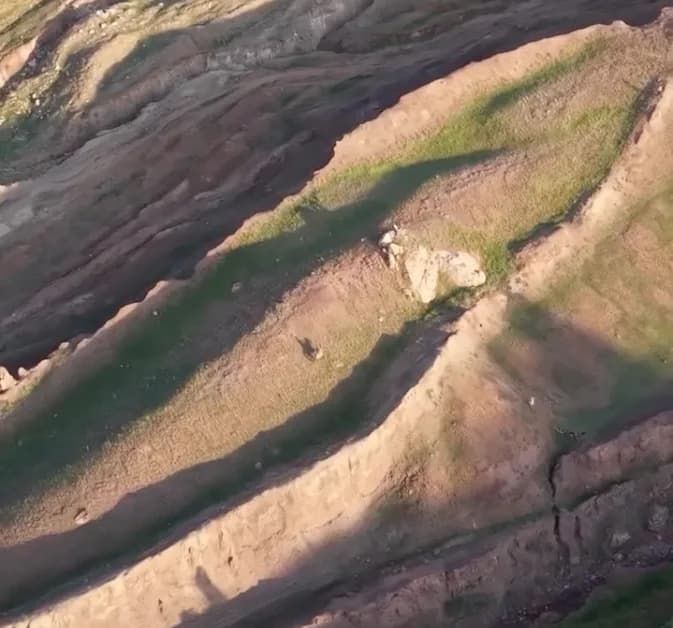
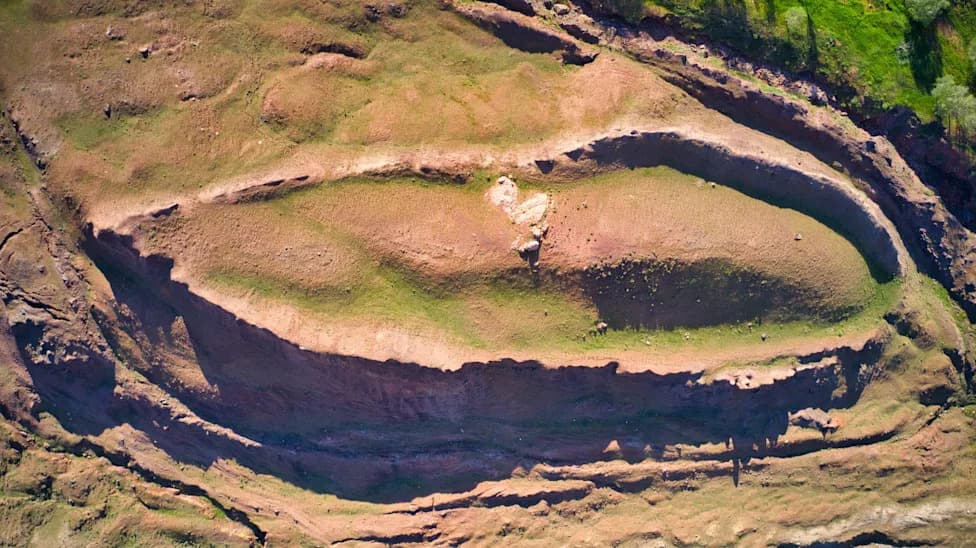
The Durupınar formation, an approximately 538-foot-long geological feature first noted in 1959, has attracted attention from Ark investigators for decades because of its distinctive outline and proximity to the region described in the biblical account of Noah's Ark.
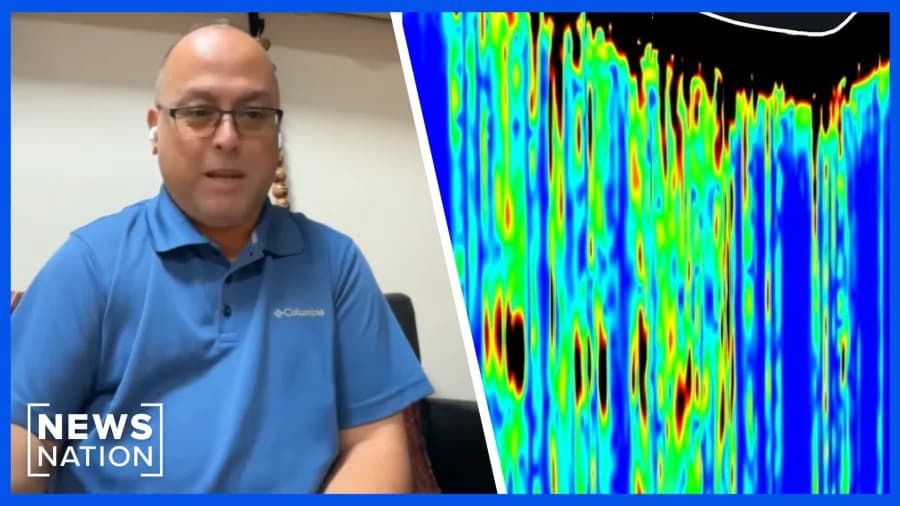
Andrew Jones, founder of Noah's Ark Scans, told reporters the team has core drilled more than a dozen locations and did not encounter continuous bedrock. "In archaeology, you deal with probabilities, and we're inching towards where we believe we will have confirmation this winter after our soil analysis is done with Sivas University, who's our partner in this," Jones said.
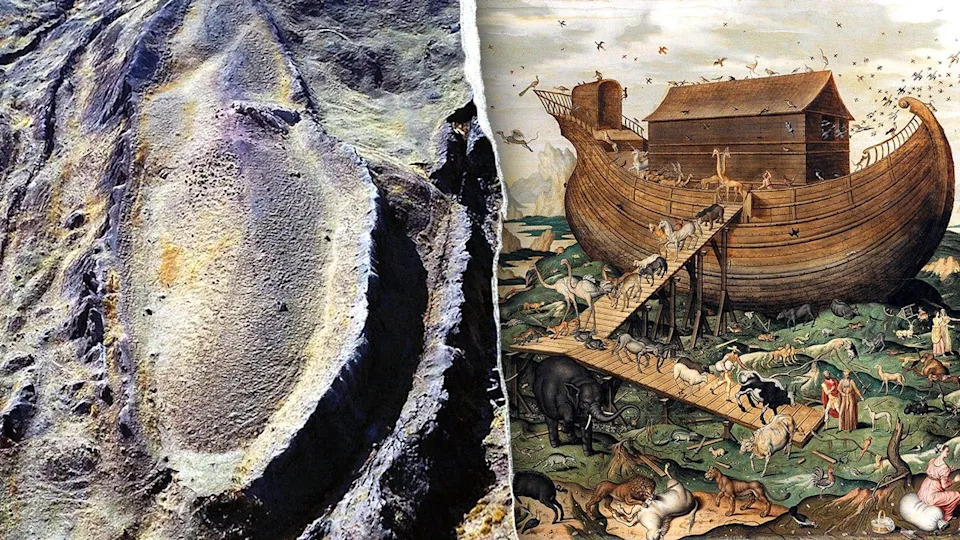
Researchers say new soil analysis from Turkey's Durupinar formation shows chemical differences consistent with decayed organic material.
"They've criticized in the past, saying all those scans you can interpret different ways, 'This is a solid mass of rock, a syncline or a block of bedrock.' Well, we've core drilled… over 12 locations. We did not find bedrock at all," Jones added.
Instead of continuous bedrock, the team reports encountering substantial deposits of rich black soil within the formation. The material is being analyzed for organic content: researchers say further tests are planned this winter at Ankara University to determine whether the composition is consistent with decayed wood or other organic remains.
Jones and colleagues also point to a 2024 soil survey that they say found roughly three times more organic matter inside the boat-shaped feature than in samples taken just outside it. If laboratory analysis confirms elevated organics or other indicators of human activity, the team says it would strengthen the hypothesis that the subsurface deposits are not purely natural.
Critics of the Noah's Ark interpretation have long maintained that the Durupınar formation is a geological structure such as a syncline or an exposed block of bedrock. Investigators acknowledge that extraordinary claims require strong evidence and emphasize that ongoing laboratory testing and peer-reviewed analysis will be essential before drawing firm conclusions.
Reports credit Fox News contributor Andrea Margolis for reporting on the story. The research team continues to work in collaboration with Turkish academic partners Sivas University and Ankara University as laboratory testing proceeds.
Help us improve.