Teardowns in older Dallas neighborhoods are replacing smaller homes with much larger dwellings, often white modern farmhouses with black roofs or boxy contemporary designs. Economic incentives, buyer demand and a lack of vacant lots are driving the trend: roughly 25% of 2024 new construction was teardown or infill, and modern farmhouse plus contemporary styles made up about 51% of recent new builds. The replacements often remove mature trees, reduce yard space and sit closer to property lines, affecting shade, privacy and neighbor satisfaction. Cities are weighing design rules, tree protection and zoning changes to manage the impact.
Teardown Boom Remakes Dallas: Giant Farmhouses, Black Roofs and Vanishing Trees
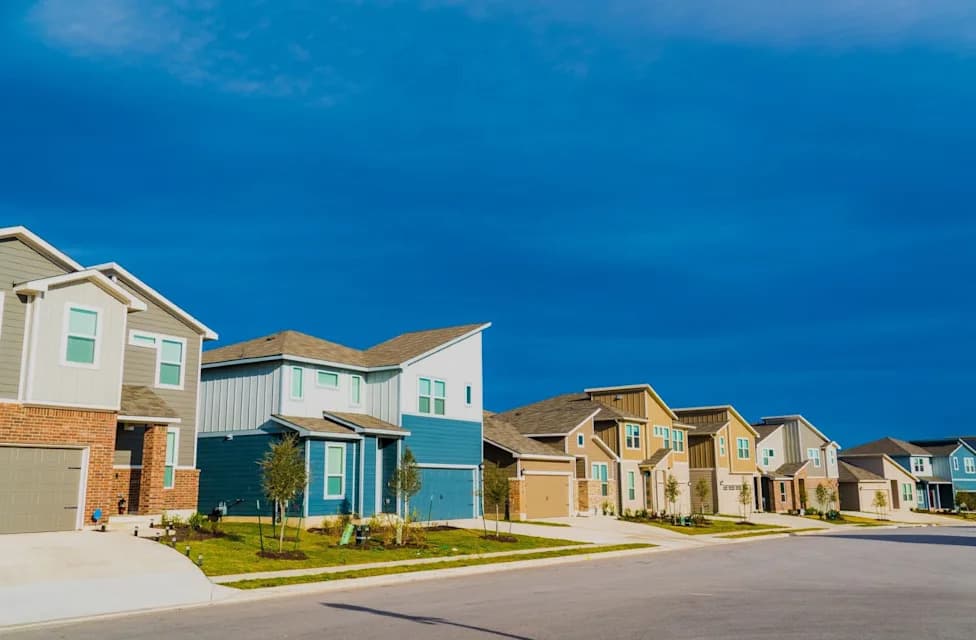
Photo Credit: iStock
Across many older Dallas neighborhoods, smaller homes are increasingly being demolished and replaced with much larger houses — frequently tall white modern farmhouses with black roofs or boxy contemporary designs. For many longtime residents, the change feels like a permanent shift in neighborhood character rather than a passing stylistic trend.
Why It's Happening
The economics are straightforward: builders earn higher profits on larger footprints, buyers want more living space, and truly vacant lots are scarce in built-out areas. Citing the National Association of Home Builders, about a quarter of new construction in 2024 involved teardowns or infill projects on existing lots, reflecting the scarcity of empty land in mature neighborhoods.
What Changes on the Ground
Teardowns often mean mature trees are removed, yards shrink, and replacement homes sit taller and closer to property lines than the originals. Those physical changes can reduce shade and privacy, shift sunlight patterns for neighboring yards, and make adjacent properties feel out of scale.
Reported trend: The 2025 Annual Builder Practices Survey from Home Innovation Research Labs found that modern farmhouse and contemporary designs together accounted for about 51% of recent new-home styles, helping explain the repeat appearance of similar designs across rebuilt blocks.
Research And Social Effects
Academic research has linked nearby large new homes with lower owner satisfaction among neighbors. A Journal of Housing Economics study found that the arrival of a very large replacement house can make neighbors feel less satisfied with their own properties — a dynamic that can encourage a "keeping up with the Joneses" cycle of larger renovations and rising household debt.
Examples Beyond Dallas
- Suburban Detroit: Side-by-side photos show how teardown builds can erase a block's original character.
- Palm Beach: High-value oceanfront lots see repeated demolition and rebuilding driven by concentrated wealth.
- Other Texas neighborhoods: Single oversized homes can dominate subdivisions and overwhelm nearby properties.
- National context: Long-term climate risks and rising insurance costs are reshaping housing markets and adding financial pressure on property owners in many regions.
What Communities Are Considering
As teardowns accelerate, some communities are exploring tools to manage change: design guidelines that address scale and materials, tree-protection measures, and zoning or lot-coverage limits intended to preserve neighborhood character. Balancing homeowners' rights, market demand and community character remains a contentious policy challenge.
Bottom line: The teardown boom is changing the look and feel of Dallas neighborhoods — and those changes carry practical consequences for sunlight, privacy, local ecology and neighbor satisfaction.
Help us improve.