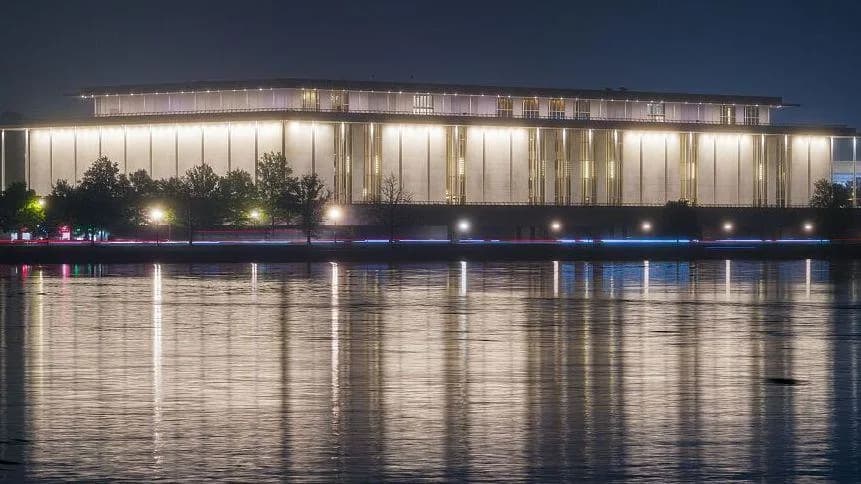
The Kennedy Center will close for urgent repairs after a ceiling collapse amid a legal dispute over President Trump’s attempted renaming and his threats to withdraw renovation support. U.S. existing-home sales fell for a third straight month in August as mortgage rates neared 7%, even as prices reached a record for the month. California enacted the nation’s first science-based rules to test and remediate wildfire smoke–damaged homes, requiring insurers to pay for testing and temporary housing until properties are deemed safe. Airbnb launched a $250 million fund to finance affordable and mixed-income housing, starting with an ~200-unit project in Austin, while a study shows data centers’ housing impacts vary widely by market.
Kennedy Center Closed for Urgent Repairs Amid Trump Naming Fight — This Week’s Housing & Policy Highlights
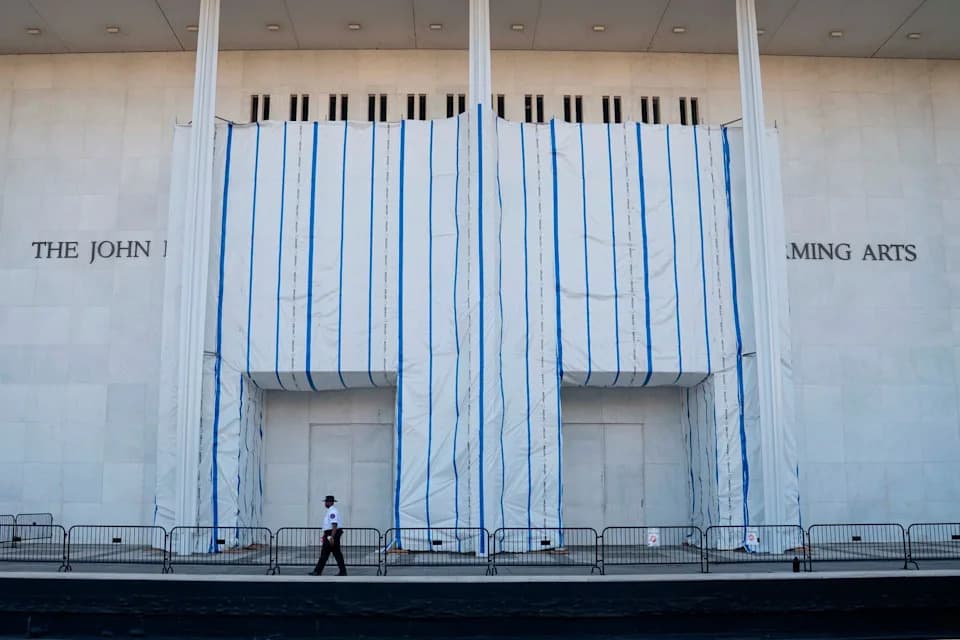
This week brought high-stakes drama at the Kennedy Center, fresh rules for wildfire smoke–damaged homes in California, a major private housing commitment from Airbnb, and mixed signals in the U.S. housing market as mortgage rates creep higher.
Kennedy Center Closes After Ceiling Collapse, Naming Fight Continues
The Kennedy Center's board voted to close the performing-arts complex for urgent repairs after a section of its ceiling fell, prompting immediate safety and operational concerns. The closure follows a federal judge's injunction that once again blocked President Donald Trump from affixing his name to the building. Trump responded on Truth Social by threatening to withhold renovation support and confronted Representative Joyce Beatty during a heated board meeting, adding political tension to the center's safety crisis.
U.S. Existing-Home Sales Slip As Rates Near 7%
Existing-home sales in the U.S. fell for a third consecutive month in August as mortgage rates approached 7 percent. Despite the slowdown in transactions, month-to-month prices hit a record high for August. More homes are lingering on the market, giving buyers who can still qualify for loans a wider selection and somewhat more negotiating leverage.

"We want to make sure that our investments are catalytic and are demonstrating proof of concept about new models that can work," Airbnb Chief Executive Brian Chesky toldWSJregarding the company's decision to finance affordable and mixed-income housing projects.Photo by Kimberly White/Getty Images for Airbnb
California Enacts Science-Based Rules For Wildfire Smoke Damage
California has passed the nation's first science-based pair of laws requiring testing and remediation of homes damaged by wildfire smoke. The laws treat persistent smoke contamination as a serious health and safety issue: insurers are now required to cover testing costs and temporary living expenses until a home is certified safe to reoccupy. Homeowners who saw their houses survive flames but become contaminated welcome clearer standards and insurer obligations.
Airbnb Commits $250 Million To Affordable And Mixed-Income Housing
Airbnb announced a $250 million fund to help finance affordable and mixed-income housing projects, beginning with an approximately 200-unit development in Austin, Texas. "We want to make sure that our investments are catalytic and are demonstrating proof of concept about new models that can work," CEO Brian Chesky said, signaling the company’s push into long-term housing solutions beyond short-term rentals.
Data Centers Have Uneven Local Housing Impacts
A recent National Association of Realtors study found that the housing effects of data centers vary widely by market. In Abilene, Texas, construction and operational workers tied to the multibillion-dollar Stargate Project tightened rental and hotel markets and helped push the median home price from roughly $250,000 to $342,000 over six years. In other communities, similar facilities produce little measurable change.
Why This Matters: Safety and politics collided at a national cultural institution, while housing markets responded to rising borrowing costs and regional development pressures. Policy changes in California create a new standard for wildfire recovery, and private capital is moving into affordable housing—signals that will shape housing availability and resilience going forward.
Help us improve.