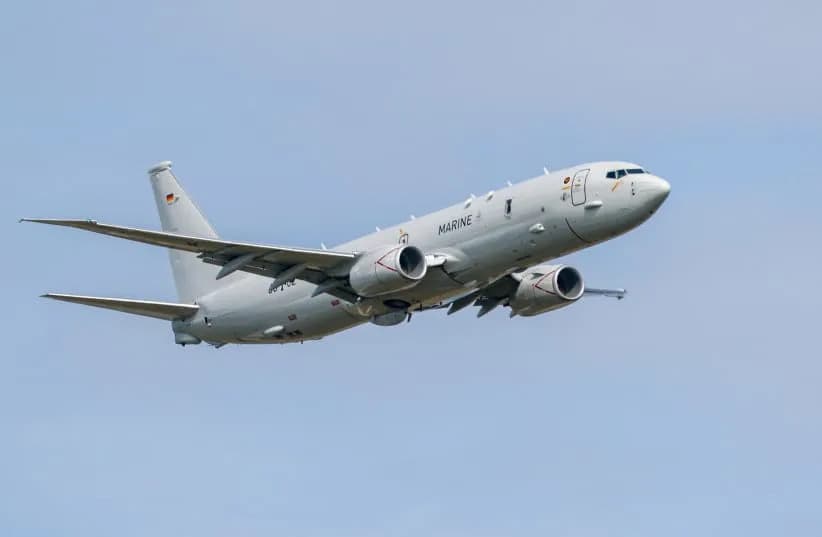
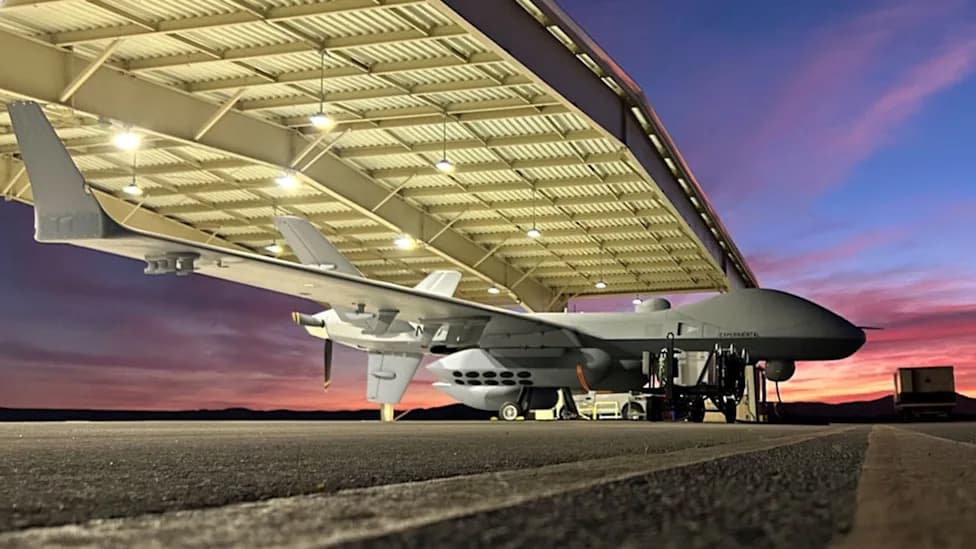
The U.S. Navy recently evaluated General Atomics' MQ-9B SeaGuardian at Naval Air Station Whidbey Island as part of a 7th Fleet capability assessment. The maritime-optimized MQ-9B was displayed alongside the P-8A Poseidon so leaders and industry partners could inspect its sensors and mission fit. The SeaGuardian offers up to 30 hours endurance, operates to about 40,000 feet, and has supported exercises such as Northern Edge and carrier workups. It is part of the Predator family, which has logged over 9 million flight hours.
US Navy Evaluates MQ-9B SeaGuardian As Maritime Patrol Force Multiplier at Whidbey Island
US Navy weighs MQ-9B SeaGuardian drone as maritime patrol force multiplier
The U.S. Navy recently evaluated General Atomics' MQ-9B SeaGuardian during a tactical symposium at Naval Air Station Whidbey Island in Oak Harbor, Washington. The SeaGuardian is the maritime-optimized variant of the MQ-9B remotely piloted aircraft and is flying for the Navy under a company-owned, company-operated contract as part of an ongoing 7th Fleet capability assessment.
The event — the Maritime Patrol and Reconnaissance Force Commander's Operational Group — brought together senior Navy leaders, tactical experts and industry partners to examine emerging naval aviation technologies and review anti-submarine warfare (ASW) tactics across the fleet. At the Commander, Patrol and Reconnaissance Group's request, General Atomics displayed a SeaGuardian so attendees could inspect the Group 5 platform up close alongside the Navy's P-8A Poseidon.
Operational Context: The Navy is assessing SeaGuardian as a potential force multiplier for Maritime Patrol and Reconnaissance missions across a range of roles, including persistent maritime surveillance, ASW support, and carrier strike group integration. Whidbey Island has previously hosted SeaGuardian operations during exercises such as Northern Edge and Integrated Battle Problem, and the system has supported aircraft carrier pre-deployment workups.
"We are pleased to showcase SeaGuardian at these symposiums alongside the P-8A Poseidon," said Patrick Shortsleeve, vice president of defense strategic development at General Atomics, noting the demonstrations highlight a capability available now rather than years away.
Platform Highlights
According to published specifications for the MQ-9B family, the SeaGuardian measures about 38 feet (11.7 meters) in length with a wingspan near 79 feet (24 meters). It has a maximum takeoff weight of roughly 12,500 pounds (5,670 kilograms) and can carry up to 4,750 pounds (2,155 kilograms) of external payload. The aircraft can operate up to 40,000 feet, reach speeds near 240 mph (about 210 knots), and offers an endurance of up to 30 hours with a maximum range of roughly 6,900 miles (6,000 nautical miles).
Family Legacy: The SeaGuardian is part of General Atomics' broader Predator family — including the MQ-9A Reaper, MQ-1C Gray Eagle and the MQ-9B SkyGuardian and SeaGuardian variants — which has accumulated more than 9 million flight hours over three decades of operational use.
As the Navy continues capability assessments, platforms like SeaGuardian are being evaluated for how they can augment manned assets, extend surveillance reach, and provide persistent maritime domain awareness in contested and peacetime environments.
Help us improve.