Investor Scott Bessent criticized AI executives who publicly call for government regulation while offering few practical solutions, likening their alarmism to the fictional killer Hannibal Lecter. In an Axios interview he said concerned leaders should "slow down" development rather than simply sounding the alarm. The remarks come as figures like Anthropic CEO Dario Amodei — backed by Elon Musk and Sam Altman — have urged caution, while former President Trump has dismissed doomsday scenarios and favored industry self-policing.
Investor Scott Bessent Compares AI Leaders Calling For Regulation To Hannibal Lecter: "Stop Me Before I Kill Again"
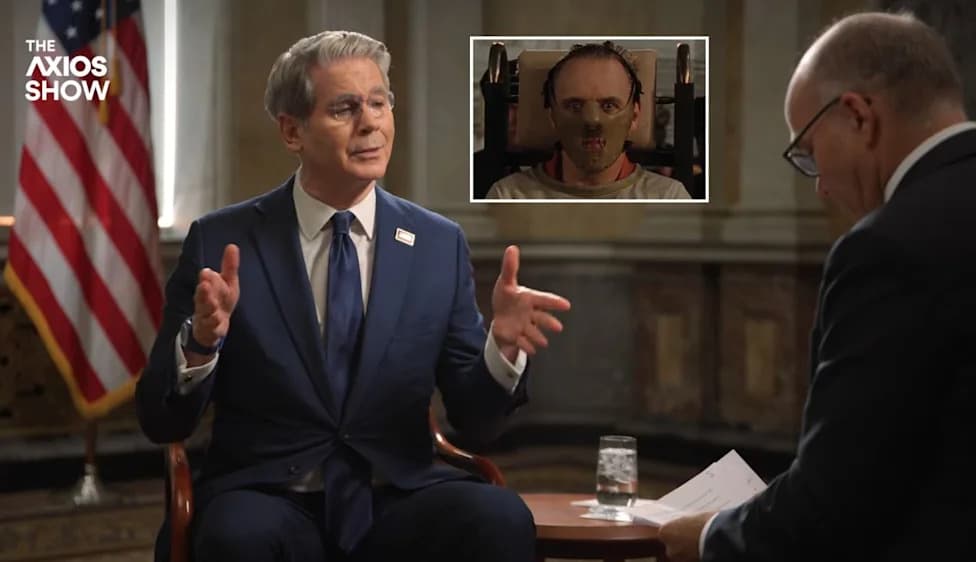
Scott Bessent Compares AI Execs Yearning for Regulation To Hannibal Lecter: ‘Stop Me Before I Kill Again!’
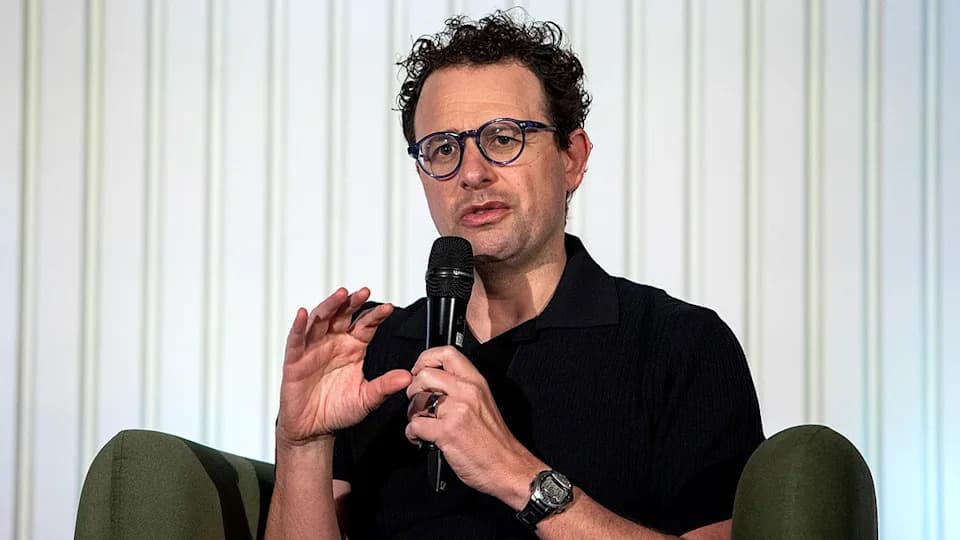
Scott Bessent, an investor and former Soros Fund manager, drew a provocative comparison between technology executives who publicly urge regulation of artificial intelligence and a fictional serial killer during a weekend interview with Axios.
When Axios co-founder Mike Allen asked whether the apocalyptic warnings about AI were "BS," Bessent acknowledged that society must prepare for a range of risks but criticized what he described as alarmism that offers warnings without practical solutions.
"I believe that we have to be prepared for every occasion," Bessent said. "But on the other side, I think this alarmism without solutions by some of the AI community, that's not leadership."
Allen noted that it isn't only commentators but also chief executives who are publicly calling for regulation and warning that AI could run out of control. Bessent replied that if those leaders are genuinely concerned, they should slow development rather than simply sounding the alarm.
"Well, then they should slow down," Bessent said. "It's kind of like Hannibal Lecter: stop me before I kill again."
The reference is to Hannibal Lecter, the fictional cannibalistic killer created by novelist Thomas Harris and famously portrayed by Anthony Hopkins in the 1991 film The Silence of the Lambs. The character has appeared in several films and series since, including an earlier portrayal by Brian Cox in Manhunter (1986).
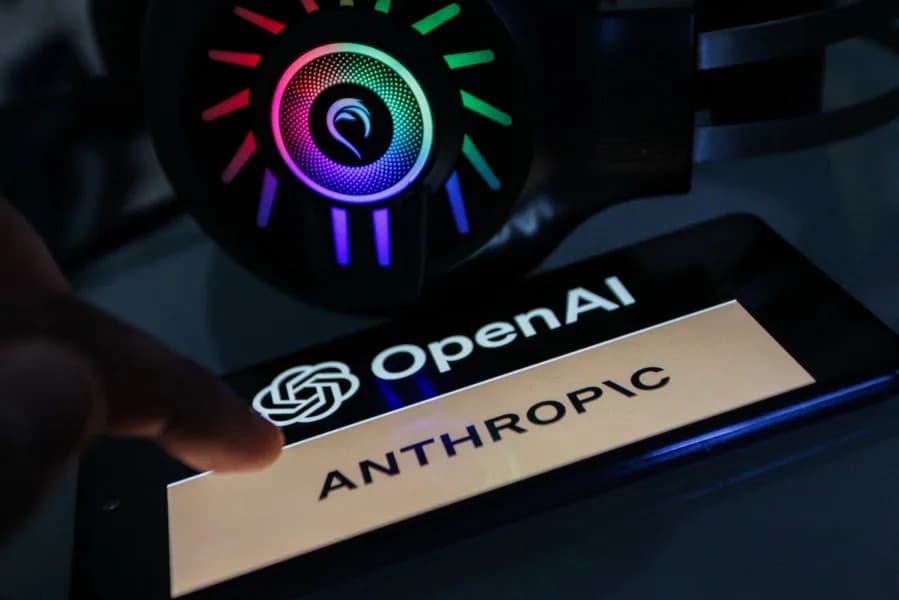
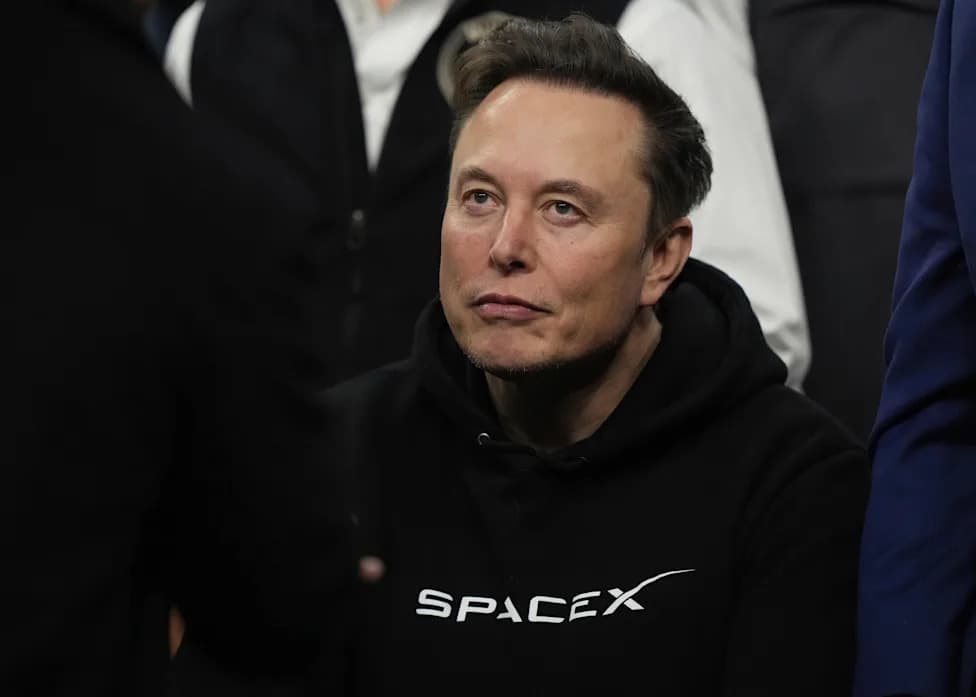
Bessent's remarks arrive amid an intense public debate over how quickly AI should progress and what regulatory guardrails are needed. In September, Anthropic CEO Dario Amodei urged that "we must slow down the pace" of advanced AI development to reduce the risk of systems acting unpredictably or causing harm — a call that received public backing from Elon Musk and OpenAI CEO Sam Altman.
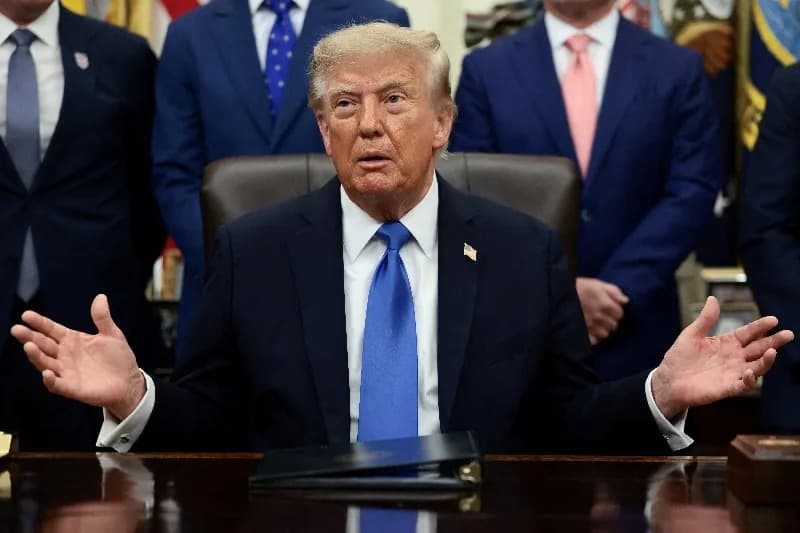
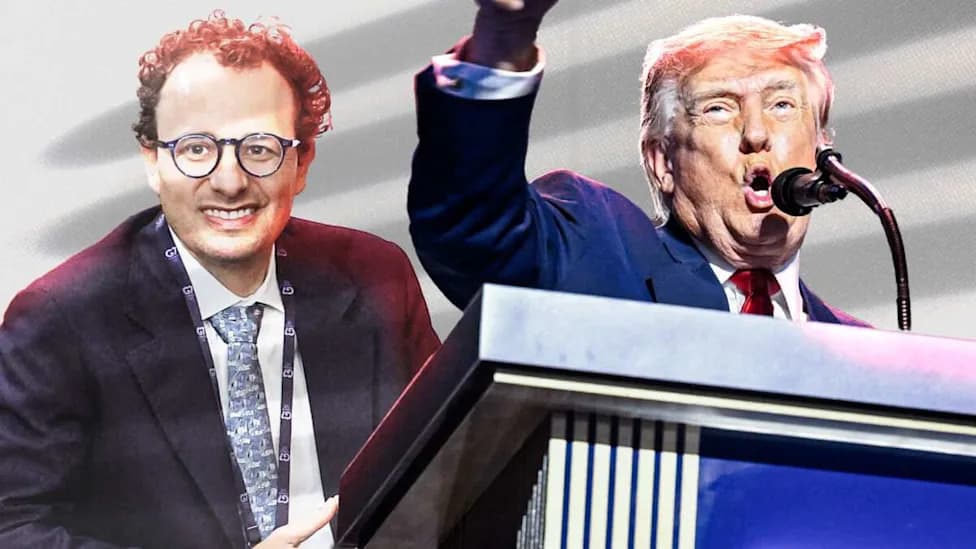
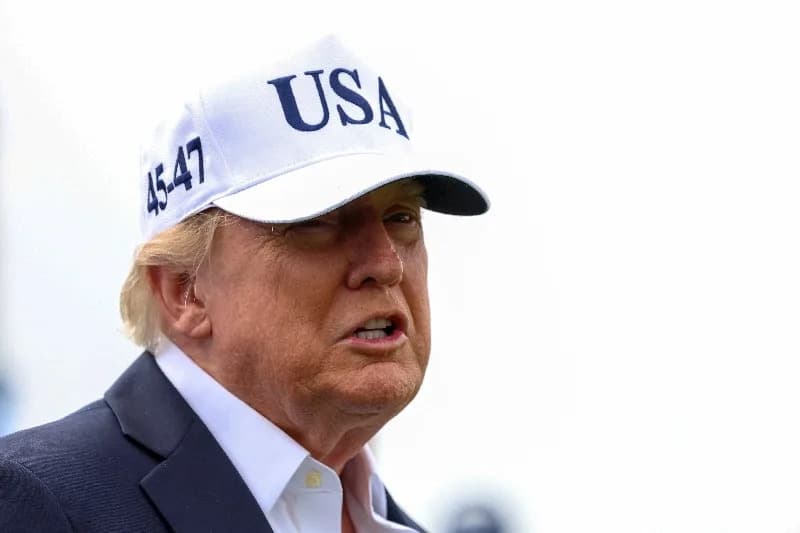
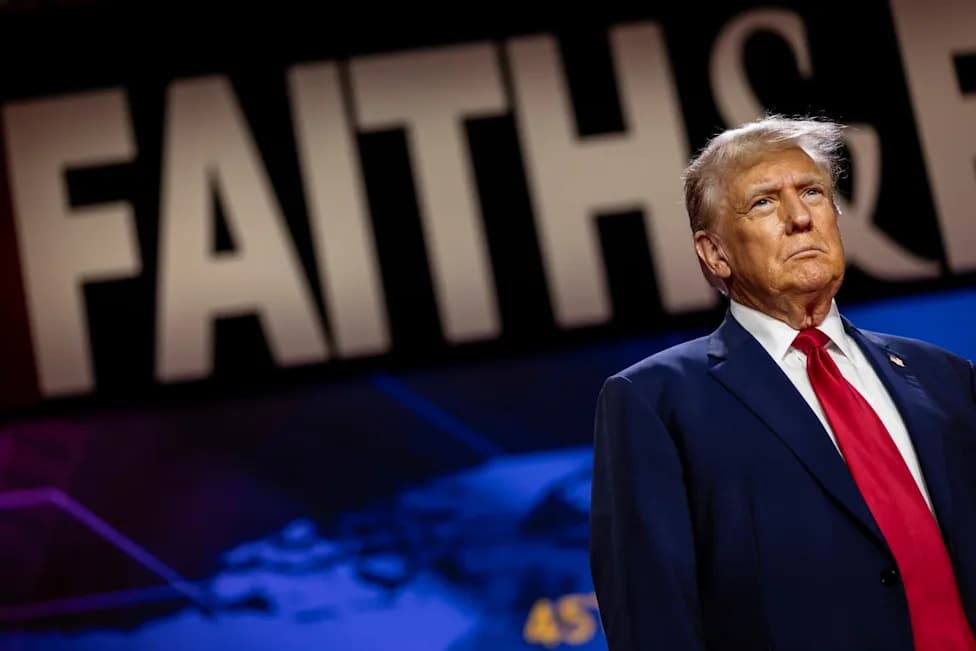
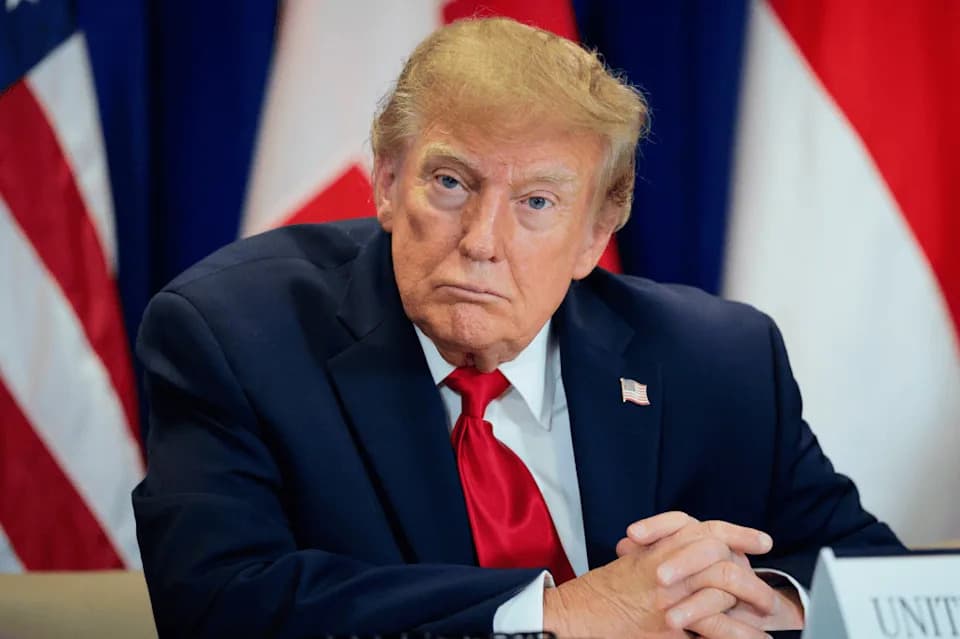
By contrast, former President Donald Trump dismissed apocalyptic predictions about AI as a "HOAX," saying he prefers the term "super intelligence" and arguing that heavy regulation would hamper U.S. competitiveness with China. At a recent White House summit with leading AI executives, Trump said he expected industry to maintain "tremendous self-policing" rather than face new regulatory constraints.
The exchange highlights two sharply different approaches circulating in public debate: industry leaders and prominent technologists urging caution and potential regulation, and political figures prioritizing innovation and competitiveness while favoring lighter-handed oversight. Bessent’s colorful comparison underscores the frustration some observers feel with public warnings that lack concrete policy proposals.
Help us improve.