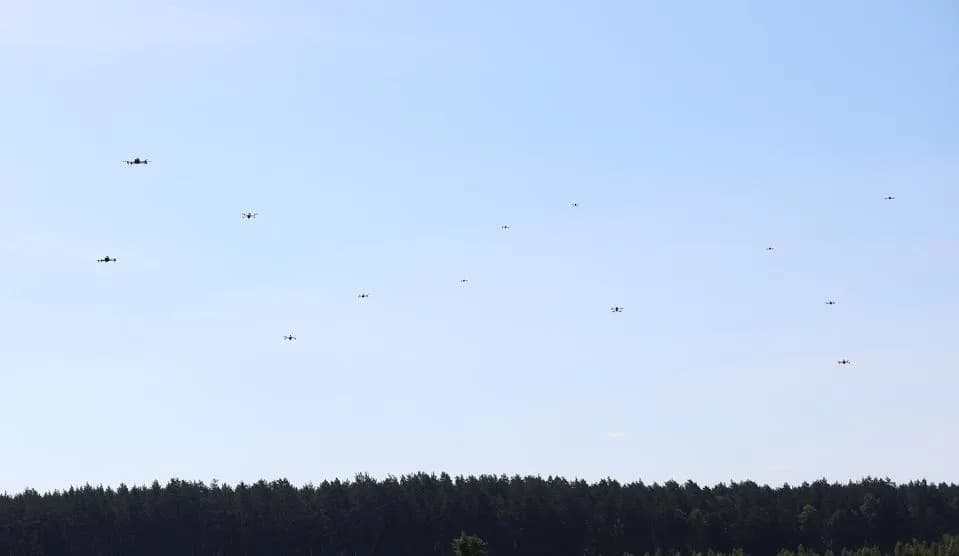
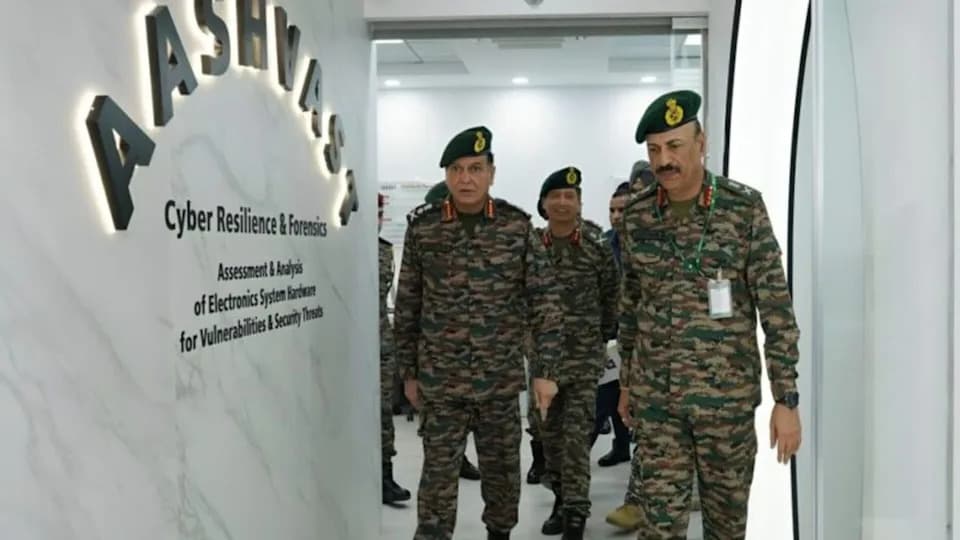
The 22nd Yudh Abhyas concluded in late September, bringing roughly 600 troops from India and the U.S. to training areas in Auli, Uttarakhand, and the Mahajan Range in Rajasthan. Ambassador Sergio Gor visited the drills and highlighted the frequency of joint exercises as evidence of a deepening defense partnership. The maneuvers focused on mountain warfare, unmanned-aircraft operations and counter-drone tactics, and showcased systems such as HIMARS, M-LIDS, M777, Dhanush and Pinaka. The drills tested artillery interoperability and aimed to strengthen joint planning and technology-sharing amid evolving regional security challenges.
Yudh Abhyas 22: India and U.S. Bolster Defense Ties in Major Joint Exercise
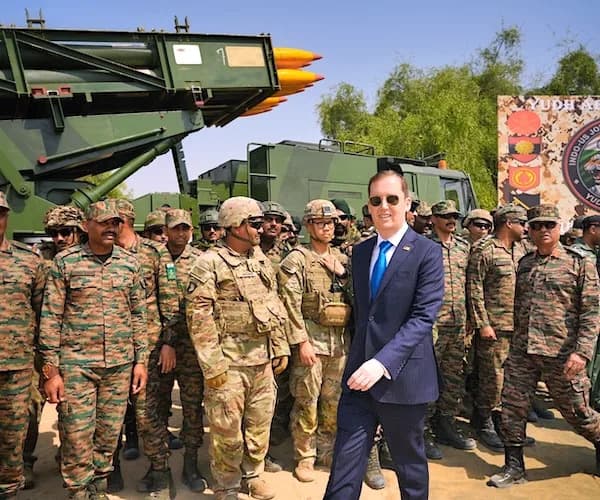
U.S. Ambassador to India Sergio Gor (X/@USAmbIndia via ANI / Ministry of Defence)
U.S. and Indian forces completed the 22nd edition of Yudh Abhyas in late September, a large bilateral exercise designed to deepen battlefield coordination and strengthen an expanding defense partnership between Washington and New Delhi.
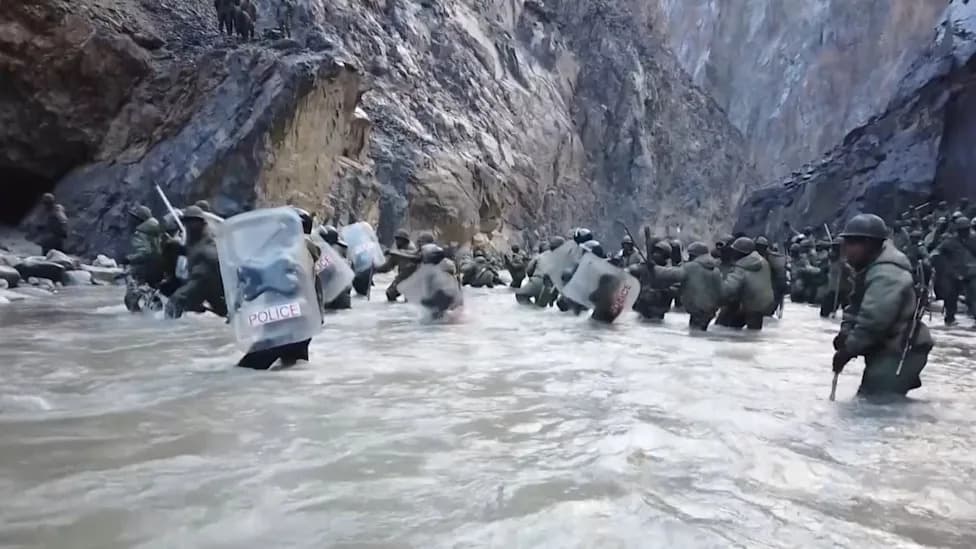
About 600 troops from each country trained at high-altitude and desert sites, with drills held across Auli in Uttarakhand and at the Mahajan Field Firing Range in Rajasthan. The exercise combined weeks of command-post planning, field maneuvers and live-fire training, according to the U.S. Army.
Senior Engagements and Observations
U.S. Ambassador to India Sergio Gor visited units at the Mahajan range in Rajasthan to observe training, equipment demonstrations and artillery operations. At the site he noted, "India actually conducts more military exercises with the United States than any other country, and we're very proud of that." In an op-ed published after the exercise, Gor emphasized that such drills build familiarity and trust between American and Indian troops while preparing both militaries for evolving battlefield threats.
Training Focus and Units
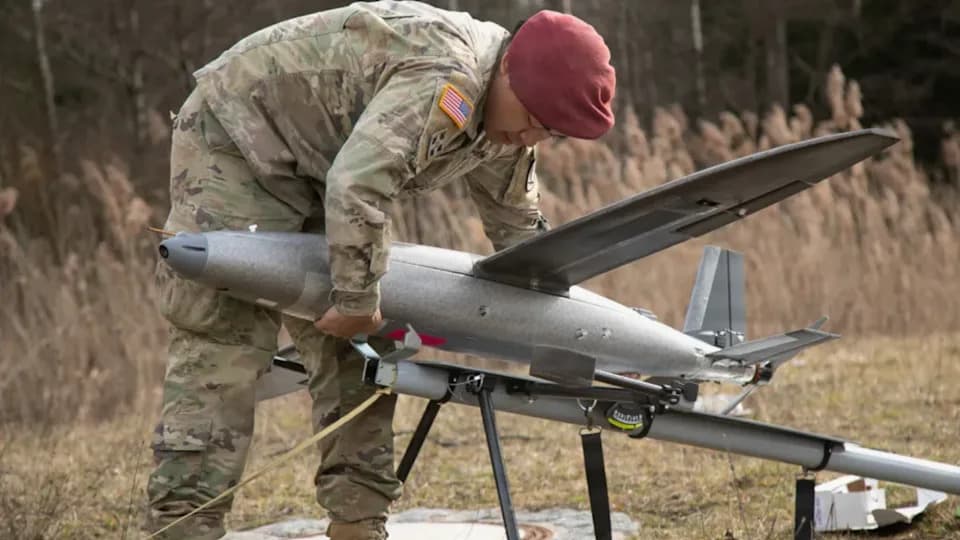
U.S. participants included soldiers from the Army's 11th Airborne Division, the "Arctic Angels," specialists in cold-weather and high-altitude operations. Training modules emphasized mountain warfare, unmanned aircraft operations, counter-drone defenses and long-range precision fires.
Technology and Interoperability
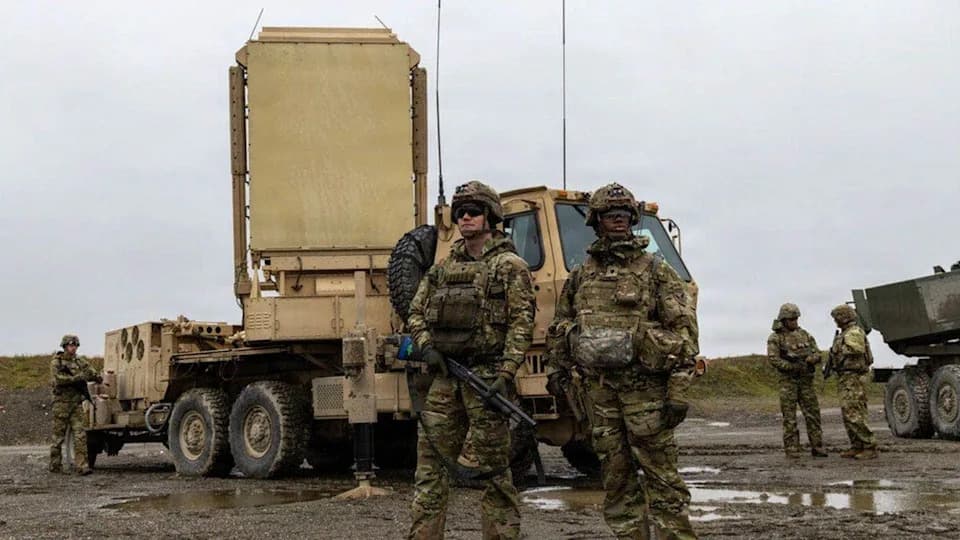
The exercise highlighted a range of systems and technology. American units showcased the High Mobility Artillery Rocket System (HIMARS) and the Mobile Low, Slow, Small Unmanned Aircraft Integrated Defeat System (M-LIDS). M-LIDS — a mobile counter-drone capability that combines electronic-warfare tools with kinetic options — was employed at Mahajan to practice detecting and defeating unmanned threats.
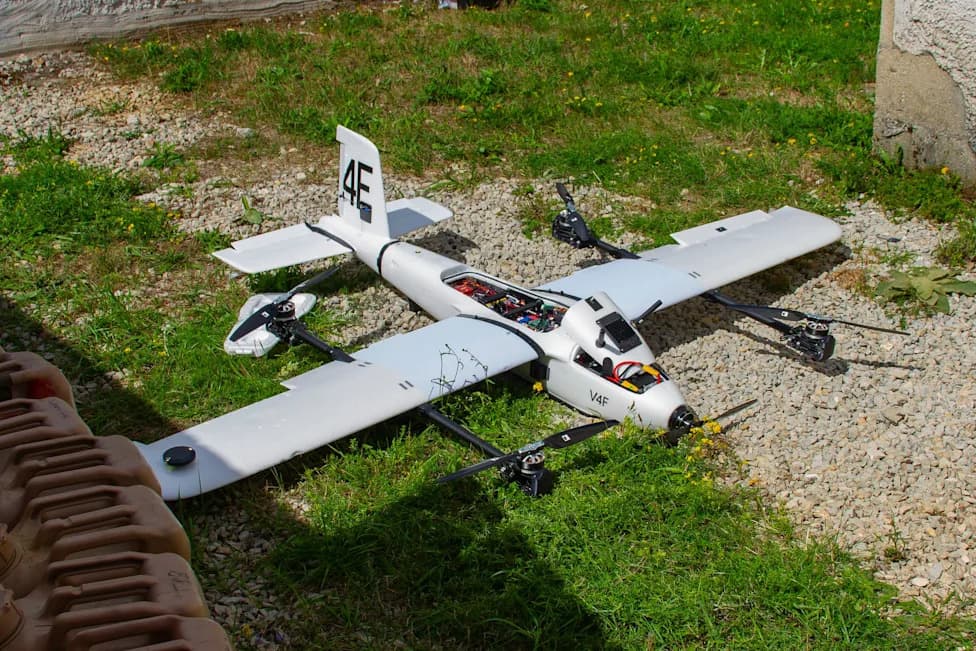
The Indian Ministry of Defence said technology was a central focus this year, with drones and autonomous systems used for surveillance and reconnaissance. Drills were designed to improve interoperability, joint planning and coordinated operations across varied terrain.
Artillery Coordination
Artillery exercises tested combined targeting and fire-control coordination. Scenarios integrated U.S. M777 howitzers with Indian Dhanush howitzers, Pinaka rocket launchers and a range of air-defense weapons, including simulated drone-attack drills that stressed rapid sensor-to-shooter timelines.
Strategic Context
Both countries view the exercises in the wider geopolitical context of a shifting security environment in Asia. Officials say the drills also send a signal of coordinated intent to manage emerging regional challenges, including concerns about China's expanding influence.
For soldiers on both sides, Yudh Abhyas offered a practical test of interoperability: U.S. and Indian troops operating side by side to refine tactics, share technical knowledge and practice coordinated responses across increasingly complex and contested battlefields.
© 2026 Newsmax. All rights reserved.
Help us improve.