Tundra Merlin is a sustained U.S.-led campaign proving that American and allied forces can rapidly assemble and integrate combat power across Alaska despite harsh Arctic conditions. Recent drills airlifted HIMARS and radar into western Alaska, synchronized strikes with F-35s and F-16s, and ran joint maritime strikes north of Dutch Harbor. Commanders point to melting sea ice and increased Russia–China activity as key drivers for greater presence and readiness.
U.S. Arctic Force Gears Up: Tundra Merlin Demonstrates Rapid Defense Against Growing Russia–China Activity
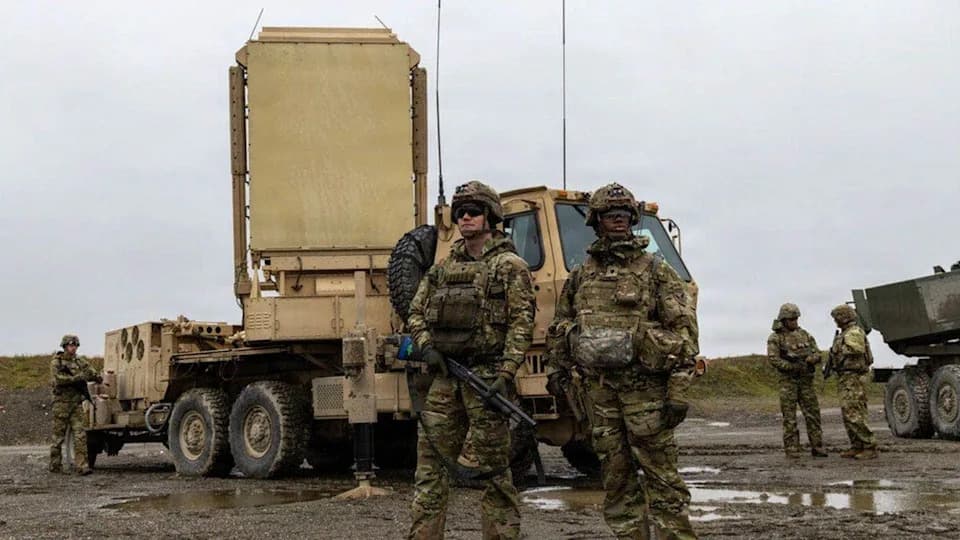
U.S. Army Spcs. Cole Garretson, left, and Kori Cook, assigned to 1st Battalion, 5th Infantry Regiment, 1st Mobile Brigade Combat Team (Air Assault), 11th Airborne Division, during Operation Tundra Merlin near Nome, Alaska, Aug. 4, 2026.
Across one of the coldest, most remote and strategically exposed corners of the United States, American and allied forces are rehearsing integrated operations on land, at sea and in the air. Under the banner of Tundra Merlin, U.S. and Canadian units are proving they can quickly move, link and sustain combat power across Alaska despite extreme weather and vast distances.
What Is Tundra Merlin?
Tundra Merlin is an enduring U.S. military campaign designed to validate the ability to assemble and employ joint and combined forces across the North American Arctic. The exercises test rapid airlift, long-range fires, air defenses, maritime integration and command-and-control in austere Arctic conditions.
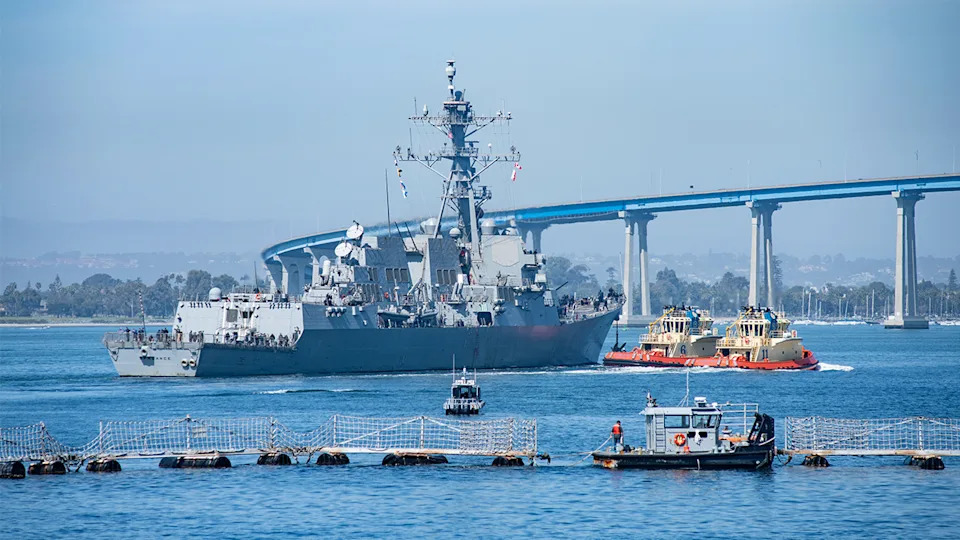
USS Spruance deploys to U.S. Northern Command Area of Responsibility.
Recent Demonstrations
In a recent western Alaska operation, U.S. and Canadian forces airlifted a U.S. Army HIMARS mobile rocket system and an AN/TPQ-53 counterfire radar aboard a Royal Canadian Air Force C-17. Those ground capabilities were linked with Alaska-based F-35s, F-16s and a KC-135 tanker to conduct synchronized strikes and air-defense scenarios. F-35s and HIMARS coordinated against a simulated ground target roughly 135 miles away while F-16s intercepted aircraft acting as simulated incoming threats.
At sea, from Sept. 18–22, U.S. and Canadian units executed a joint maritime strike scenario about 100 nautical miles north of Dutch Harbor. That evolution integrated U.S. Coast Guard and Royal Canadian Navy surface and subsurface vessels, Canadian maritime patrol aircraft, Alaska-based F-35 fighters and E-3 airborne warning and control aircraft to test information sharing, tracking and engagement against simulated maritime targets.
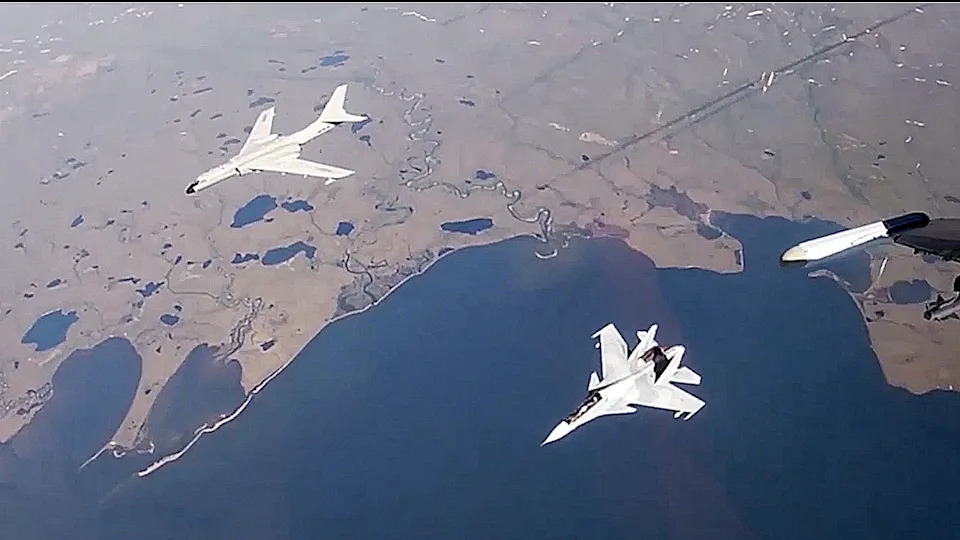
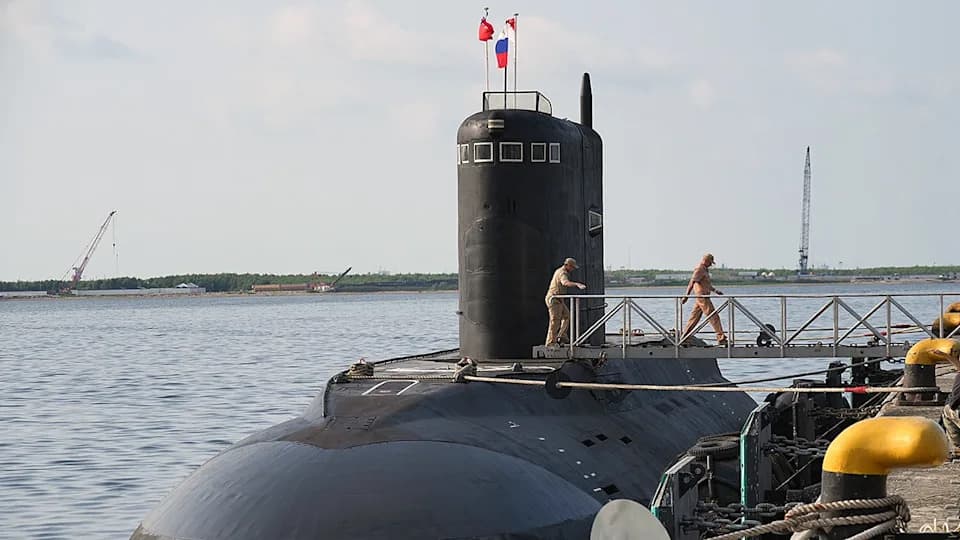
Russia and China make joint air patrols near Alaska.
Strategic Context
Commanders cite two major drivers for the stepped-up activity: the Arctic is becoming more accessible as sea ice melts, and Russia and China are expanding their military reach and cooperation in the region. The Pentagon’s 2024 Arctic Strategy warned that growing Russia–China cooperation could change the region’s stability and threat picture and called for a larger U.S. presence and greater readiness.
Lt. Gen. Robert Davis, commander of Alaskan Command, summed up the challenge: “Melting sea ice has made the Arctic more accessible, and we're seeing increased activity both commercially and militarily. China and Russia are advancing capabilities and showing interest in operating there as well.”
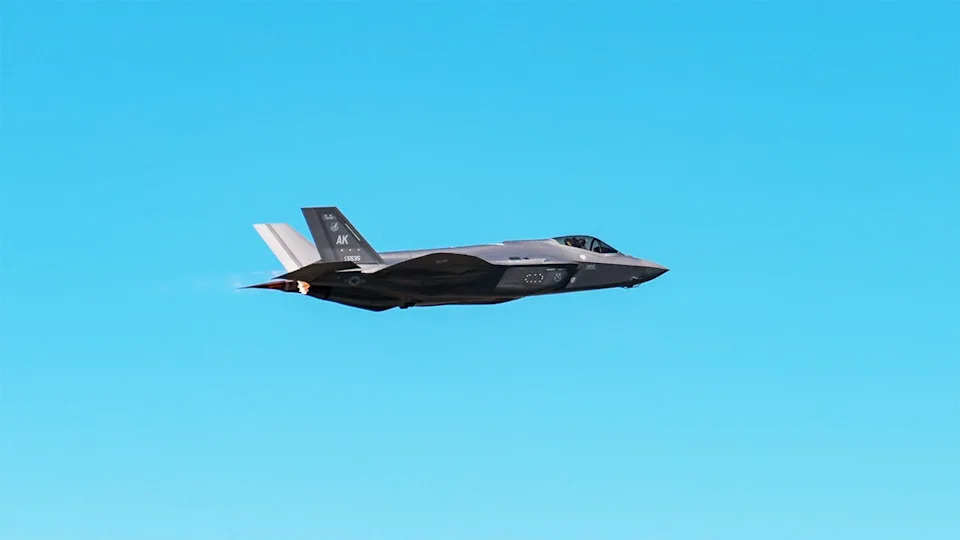
Arctic Thunder Air Show is performed at Joint Base Elmendorf-Richardson in Anchorage, Alaska, on July 22, 2024.
Why Alaska Matters
Alaska sits between the Arctic and the Pacific and provides a critical hub for homeland defense and power projection toward the Indo-Pacific. At their closest points, the U.S. and Russian mainlands are roughly 55 miles apart; the Diomede Islands lie only about 2.5 miles from one another. Alaskan Command includes more than 22,000 active-duty personnel plus about 4,700 Guard and Reserve members, along with major air bases, early-warning and missile-defense infrastructure.
Operational Challenges
Operating in the Arctic imposes unique burdens. Extreme cold and long supply lines can degrade equipment and force readiness; limited regional infrastructure complicates movement and sustainment. Leaders emphasize that systems must be conditioned for prolonged sub-zero operation and that personnel require specialized clothing, training and procedures to avoid cold-weather injuries and remain effective.
Demonstrating Deterrence
Tundra Merlin aims to convert geographic advantage into a ready, deterrent posture. Davis described the exercises as a set of "plays in a playbook" that can be activated to deter or respond to aggression. He said Alaskan Command is well-postured for anticipated near-term threats but would request additional forces if the security situation escalated.
Signs of Great-Power Cooperation
Commanders point to high-profile episodes such as the July 2024 NORAD detection of two Russian Tu-95 bombers and two Chinese H-6 bombers operating together near the Alaskan Air Defense Identification Zone. Although the aircraft remained in international airspace, the formation underscored closer operational cooperation between Moscow and Beijing that U.S. planners are monitoring.
Ultimately, Tundra Merlin is intended to show that in a theater defined by vast distances, punishing weather and rising great-power activity, the United States and its partners can rapidly move forces across Alaska, integrate them across land, sea and air, and present credible combat power before an adversary can exploit the region’s vulnerabilities.
Help us improve.