New York City is preparing to consider more than 20 bills aimed at improving street safety after a string of fatal collisions. Key proposals include restricting sales of class three e-bikes that can exceed 25 mph, requiring sidewalk-detection speed limiters, and mandating liability insurance from delivery platforms. The measures come as 20 bicyclists have died in 2026 in the city, most while riding e-bikes, and follow similar debates in other states.
New York City Considers 20+ E‑Bike Rules After Deadly Crashes — Including Limits on Bikes Over 25 MPH
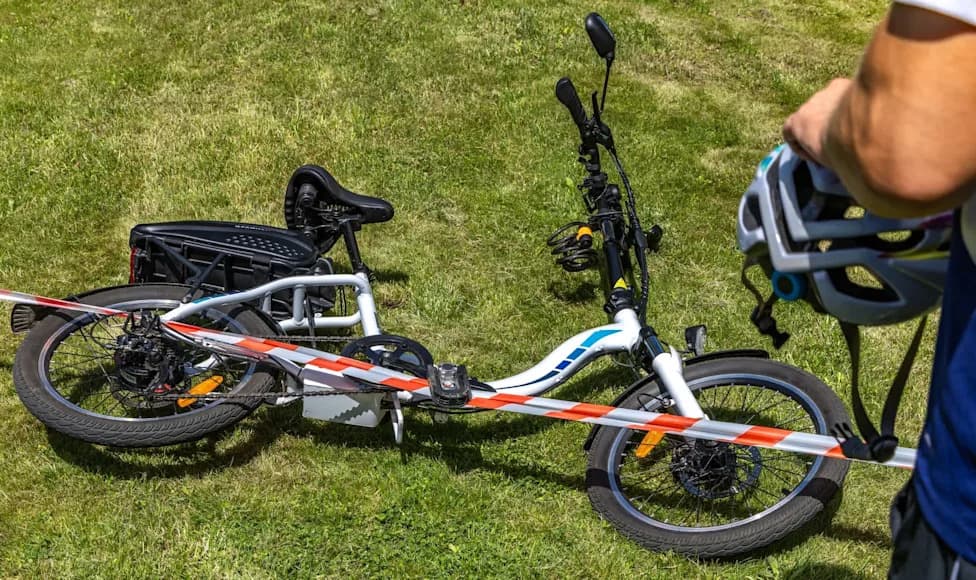
Photo Credit: iStock
New York City officials are weighing more than 20 proposals to tighten rules for e-bikes, scooters and mopeds after a recent series of fatal collisions intensified calls for action.
Balancing Convenience and Safety
At the heart of the debate is how to preserve the convenience and climate benefits of electric micromobility while reducing risks linked to faster, harder-to-regulate vehicles. City leaders say the goal is to improve street safety without removing alternatives to car travel.
Key Proposals Under Consideration
- Restrict Sales of Class 3 E‑Bikes: One prominent measure would curb sales of class three e-bikes — models that can exceed 25 miles per hour and operate without pedaling.
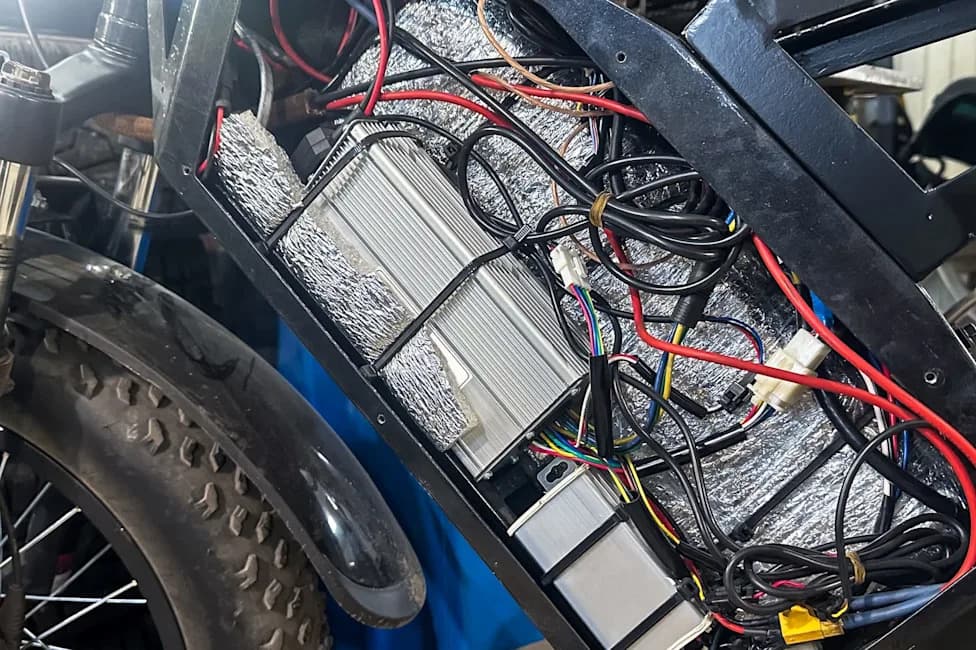
- Crack Down on Illegal Modifications: Lawmakers want stronger rules and enforcement targeting unlawfully modified bikes and other motorized devices that exceed legal limits.
- Address Online Purchases: Officials are examining how people buy motorized e-bikes online and mistakenly assume they are legal to ride on city streets.
- Delivery App Liability: One proposal would require delivery platforms to provide liability insurance that covers crashes involving their couriers.
- Sidewalk-Detection Technology: Another bill would mandate sidewalk-detection systems that automatically reduce an e-bike's speed when it leaves the roadway.
Why Now?
The package comes amid a deadly trend: so far in 2026 twenty bicyclists have died in New York City, and reporting indicates most of those victims were riding e-bikes. The spike in fatalities has increased public pressure on the City Council to act quickly.
National Context
Other states are wrestling with similar issues. Recent developments include backlash over New York’s so-called Priscilla’s Law, Massachusetts approving a first-of-its-kind speed bill for e-bikes and mopeds, Florida highlighting dangerous e-bike modifications, a controversial New Jersey safety law that drew accusations of overreach, and California considering tighter licensing rules for some electric bikes. These varied responses show the challenge in balancing access, safety and enforcement nationwide.
What’s Next
The City Council is expected to debate the bills as a package. If passed, the measures could change what models are legally sold or ridden, require new technology on devices, and shift responsibilities onto platforms that employ couriers. Officials and advocates on all sides say they want safer streets — the debate is over how best to achieve that without stifling micromobility options.
Note: The proposals are under consideration and could be amended before any final votes.
Help us improve.