AI-generated models are increasingly visible in advertising and social media, raising concerns that hyper-realistic synthetic images could reinforce unattainable beauty standards for young people. Personal accounts from a young person in recovery and parents highlight how difficult-to-spot AI content can magnify body-image pressures. Experts say AI will default to narrow beauty norms unless intentionally prompted for diversity, and researchers find many consumers prefer real people over AI models. Clear labelling, better AI literacy and responsible design are urged.
Are AI-Generated Models Worsening Body-Image Pressures for Young People?
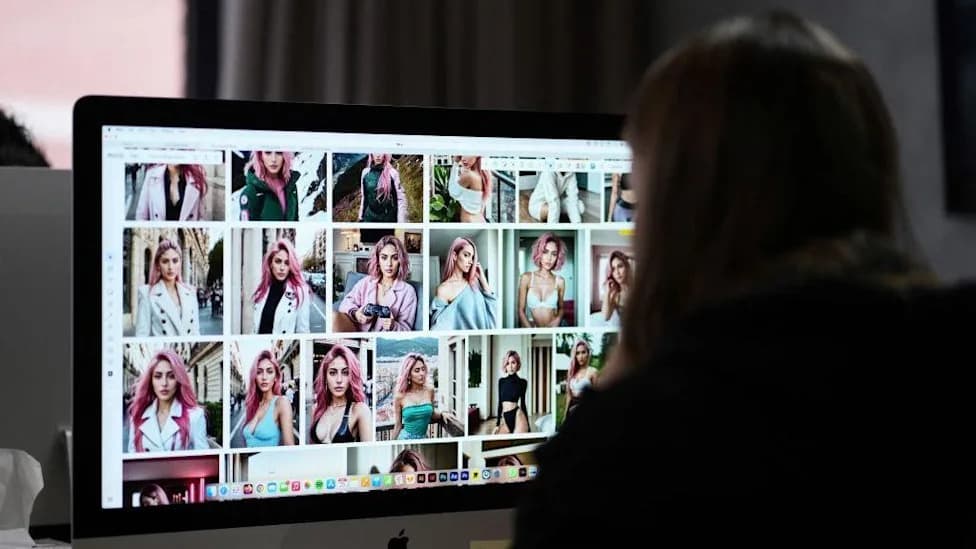
AI models such as Aitana Lopez were generated for advertising agency The Clueless [Getty Images]
Content warning: This story contains material about eating disorders and self-harm.
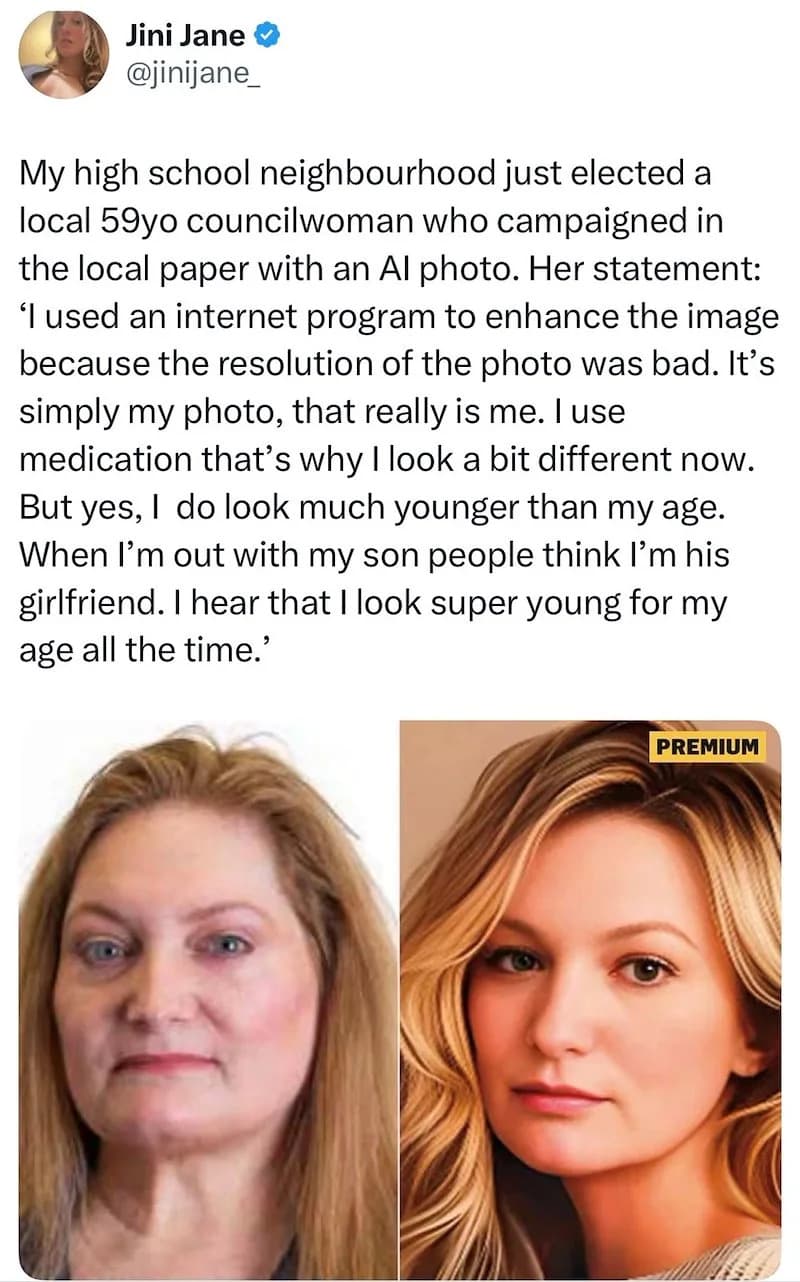
AI-generated models and imagery are appearing increasingly across social media and advertising. While some industry players and small brands see creative possibilities, parents, young people and specialists warn these hyper-realistic images risk reinforcing unattainable beauty ideals and damaging mental health.
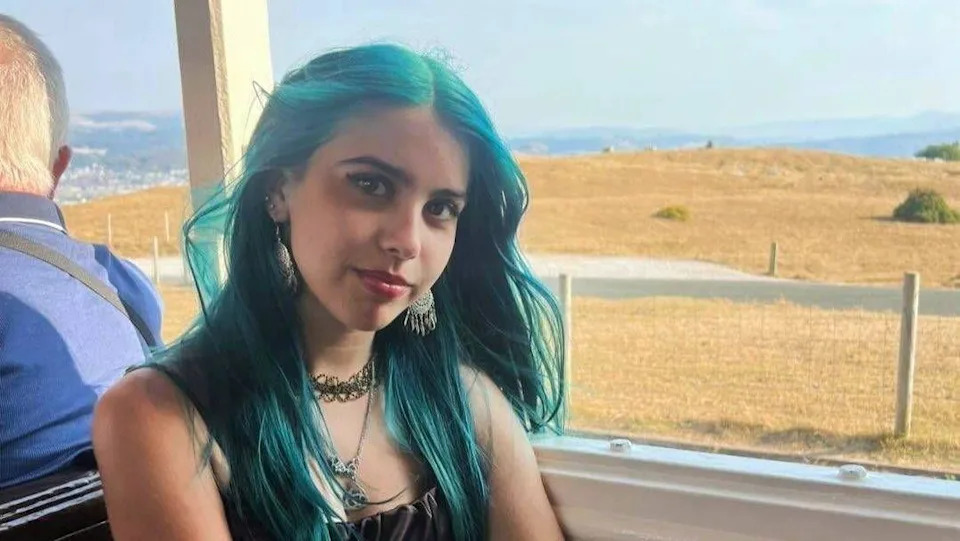
Mia Perumal says AI models and content should be controlled [Mia Perumal]
Personal experiences: young people and parents
Mia Perumal, 19, a Cardiff University student who has recovered from an eating disorder, says she fears AI could have made her illness harder to overcome. She recalls being exposed to harmful, algorithm-driven content from age 12 and worries that today’s AI images—often difficult to distinguish from real photos—amplify that harm.
“It’s all very well saying ‘oh, it’s AI, it’s not real,’ but eating disorders don't really listen to rationality,”
Mia has noticed a surge in very thin, digitally created images on social platforms with comments from pre-teens idealising those bodies. She believes better controls and clearer labelling are needed to protect vulnerable users.

Kelly Watts says she often compared herself to others growing up and it affected her confidence [Kelly Watts]
Kelly Watts, a 41-year-old freelance marketer and mother of an 11-year-old son, says AI images are already common in commercial content and often lack disclosure. Although her son doesn’t use social media, Watts worries that YouTube and other platforms may still expose him to synthetic images of “perfect people,” raising unrealistic expectations.
What experts say
Professor Phillippa Diedrichs, of the Centre for Appearance Research at UWE Bristol, explains that comparing ourselves to narrow beauty standards—especially digitally constructed ones that do not exist in biological reality—can harm self-esteem and body image.
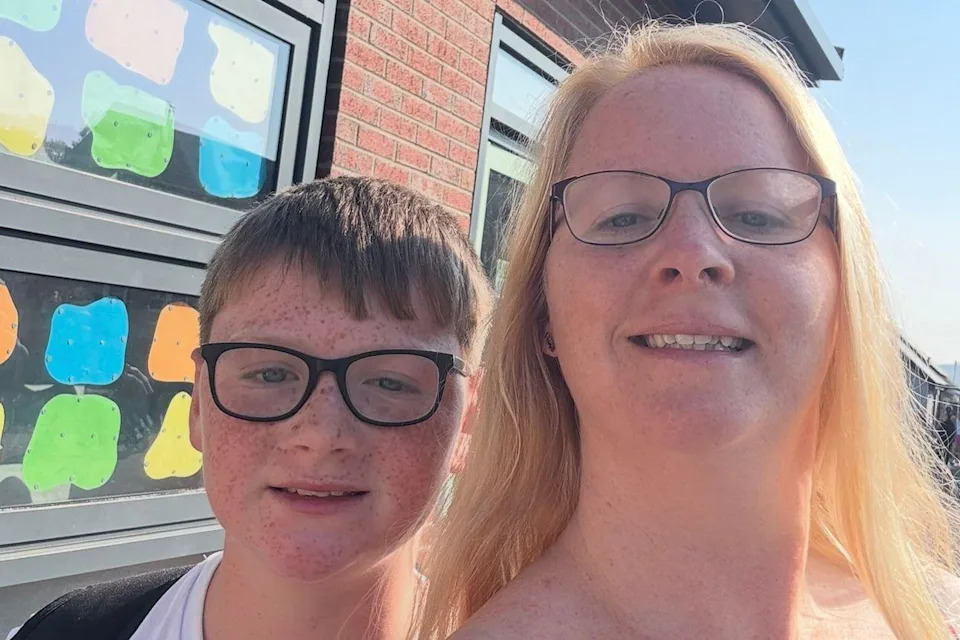
Kelly is worried her 11-year-old son could develop body image issues from AI [Kelly]
“If we’re comparing ourselves to a very narrow beauty standard…many of us are not going to meet those beauty ideals,”
Diedrichs notes that AI can either worsen biases (by defaulting to averages present in its training data) or help by deliberately creating more diverse, inclusive images. She warns, however, that without careful prompting designers are likely to produce generic images that reinforce traditional norms, excluding people of colour, queer people and those with distinctive features.
Research and industry response
Researchers Zoe Lee and Hannah Marriott at Cardiff Business School report that AI fashion models and “digital twins” (virtual replicas of real models) are becoming more common. Brands such as Balmain, Levi’s and H&M have experimented with the technology. Focus-group research found many consumers reacted negatively after learning images were AI-generated, preferring real people who represent lived experience.
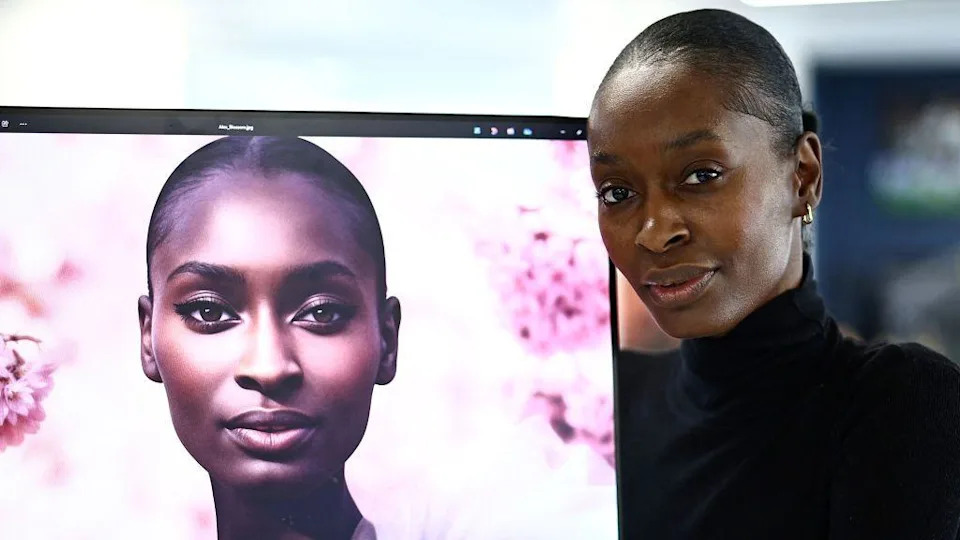
Some models have AI twins, as pictured here, that let them be in "two places at once", says London-based model Alexsandrah Gondora [Getty Images]
H&M told researchers it created digital twins in 2025 in collaboration with real models who retained control of their likenesses; that exploration was paused in spring 2025 while the company considered next steps. Other companies such as Balmain, Levi’s, TikTok, Meta and Google were contacted for comment.
Spotting synthetic images and improving AI literacy
Diedrichs points to some current tell-tale signs—skin texture oddities, unusual eyes, poorly rendered coily hair or a lack of pores and blemishes—but cautions detection is becoming harder as models improve. She recommends asking: “Does this image make me feel inspired or make me feel lacking?” If it provokes negative feelings, it may be wise to step back.
Experts urge clearer labelling of AI-generated content, improved AI literacy for parents and young people, and responsible design choices by brands and platforms to reduce harm while exploring potential benefits, such as enabling smaller brands to display more diverse faces without hiring large model rosters.
Practical advice and support
- Teach children basic AI literacy: how images are made and why they can be misleading.
- Encourage critical viewing: if an image makes you feel inadequate, limit exposure and discuss those feelings with a trusted adult.
- Express preferences: consumers can comment and hold brands accountable for undisclosed synthetic imagery.
- If affected by eating disorders or self-harm, contact local mental health or eating-disorder support services for help.
AI-generated imagery is a fast-evolving technology with both potential benefits and harms. Thoughtful design, transparent labelling and media literacy are key to ensuring it does not deepen pressures around body image—especially for young people.
Help us improve.